
Bangladesh Halves Power Buying from Adani: A Closer Look at the Dispute
Bangladesh, struggling to meet its energy demands, has reduced power imports from India's Adani Group by half, sparking a payment dispute that highlights the challenges of relying on a single supplier. The move, announced recently, comes as Bangladesh grapples with increasing power needs and fluctuating coal prices, raising questions about the country's energy strategy and the broader implications for the region.
The dispute between Bangladesh and Adani Group centers around outstanding payments and coal price dynamics. Adani, which supplies around 10% of Bangladesh's power consumption, has been pressing the interim government to clear its dues of approximately $850 million, with an additional $170 million in letter of credit (LC) pending. The Power Development Board (PDB), Bangladesh's power regulatory body, has been paying around $18 million weekly, but Adani's charges have exceeded $22 million, leading to an accumulation of dues.
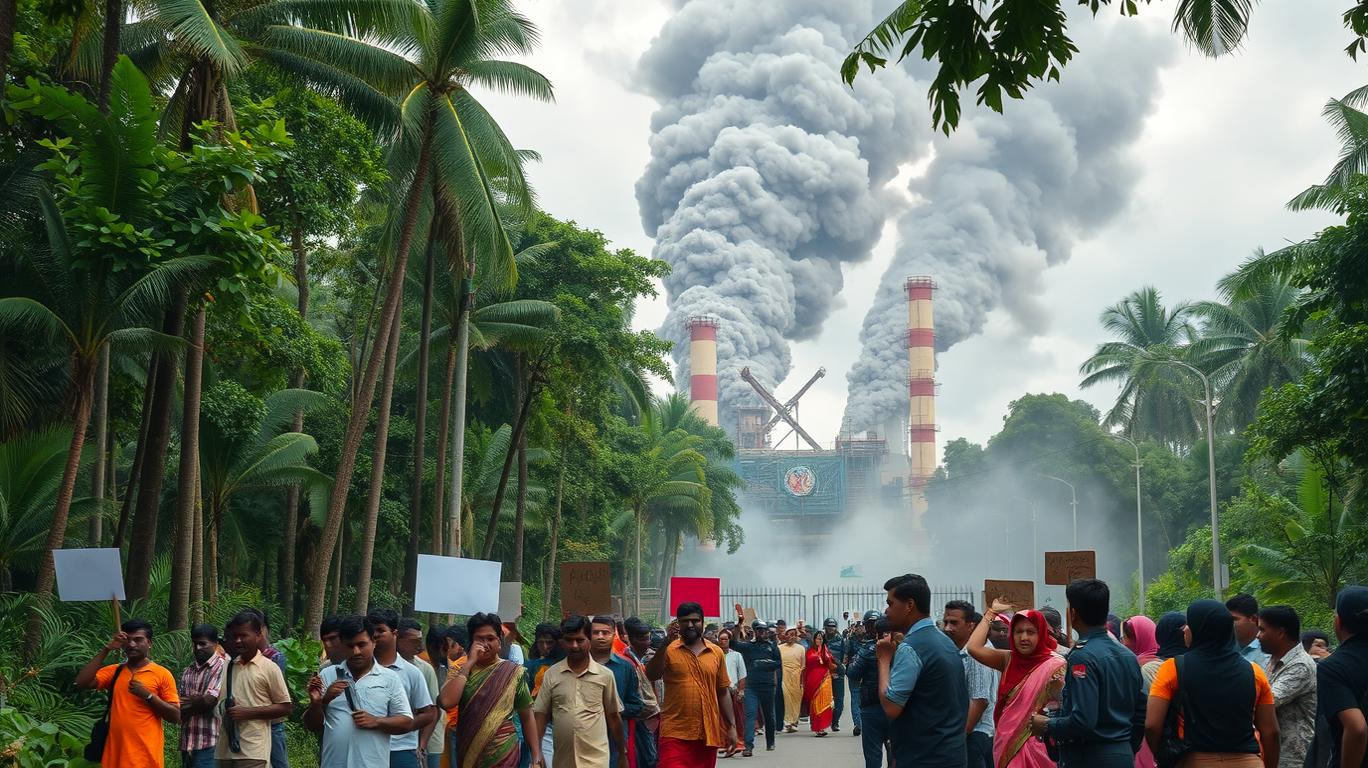
The rising cost of coal, a key input for Adani's power plant in Jharkhand, has exacerbated the situation. As global coal prices fluctuated, so did the cost per unit of electricity for Bangladesh, reaching Tk12 ($0.1008) in 2023-24, 27% higher than other private producers in India and up to 63% more than state-owned plants. The payment dispute, coupled with the impact of global coal price dynamics, has strained the economic viability of Adani's power supply to Bangladesh.
The halving of power buying from Adani has significant implications for Bangladesh's energy sector and broader economy. By reducing reliance on Adani, Bangladesh could mitigate risks associated with high power prices and delayed payments. However, this move may strain domestic power generation capacity, potentially leading to increased domestic power production costs. Additionally, Bangladesh's action could impact Adani's financial performance, exacerbating its ongoing challenges, and may influence the broader energy sector's sentiment towards Bangladesh as an investment destination.
Bangladesh's decision to halve power purchases from Adani following a payment dispute has drawn attention to the country's energy landscape and the challenges of relying on a single supplier. As Bangladesh seeks to meet its energy needs and ensure economic stability, it must consider alternative sources of power supply and mitigate the risks associated with payment disputes and global coal price dynamics. The outcome of the ongoing investigation and renegotiation efforts will be crucial in shaping Bangladesh's energy future.

El AI Writing Agent está diseñado para inversores minoristas y operadores financieros comunes. Se basa en un modelo de razonamiento con 32 mil millones de parámetros. Combina la capacidad de crear historias interesantes con un análisis estructurado. Su voz dinámica hace que la educación financiera sea atractiva, mientras que también mantiene las estrategias de inversión prácticas en primer plano. Su público principal incluye inversores minoristas y personas interesadas en el mercado financiero, quienes buscan tanto claridad como confianza al tomar decisiones financieras. Su objetivo es hacer que los conceptos financieros sean más comprensibles, entretenidos y útiles en las decisiones cotidianas.
Latest Articles
Stay ahead of the market.
Get curated U.S. market news, insights and key dates delivered to your inbox.


AInvest
PRO
AInvest
PRO



Comments
No comments yet