
Bangladesh Aims to Reduce U.S. Tariffs with Strategic Trade Agreements
 Aime Summary
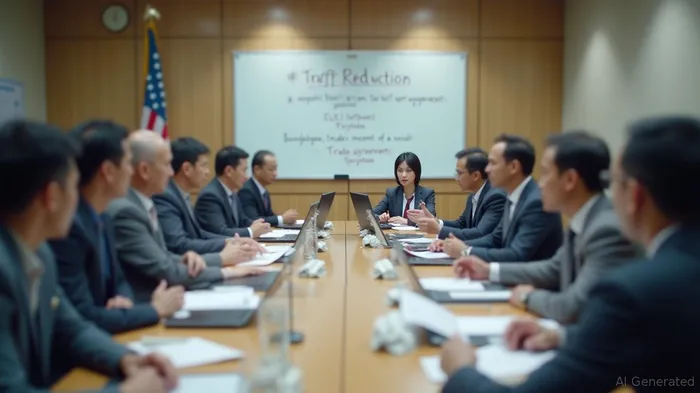
Bangladesh is striving to navigate the challenges presented by impending U.S. tariffs on its exports through strategic trade negotiations and reciprocal import agreements. A delegation has departed for Washington, led by Commerce Secretary Mahbubur Rahman and high-level government officials, to attend the final round of talks with the USTR. This round aims to address the critical issue of a proposed 35% tariff on Bangladeshi products, a threat looms over its textile industry, which constitutes 80% of the country's exports.
Dhaka hopes to achieve a tariff rate between 10% and 20%, leveraging strategies that involve enhancing bilateral trade ties. In pursuit of lower tariffs, Bangladesh agreed to increase its purchase orders of American goods. This includes a bold purchase agreement for 25 BoeingBA-- aircraft, up from previously planned 14, a move motivated not only by aviation fleet expansion needs but also aimed at reducing trade imbalances. Analysts predict favorable outcomes for Bangladesh if these strategic gestures lead to tariff reductions comparable to those granted to other Asian countries like Vietnam and Japan.
Further efforts show Bangladesh's commitment to narrowing the trade deficit with the U.S. by importing American agricultural and energy products. A deal to buy 3.5 million tonnes of wheat over five years is already in place, along with a planned increase in LNG imports. The purchase agreement for the BoeingBA-- aircraft, despite requiring significant investment, reflects Bangladesh’s intention to expand its national carrier Biman Airlines fleet.
Despite promising strategies and optimism from negotiators, the risk of imposing high tariffs remains a concern, potentially impacting Bangladesh's GDP growth. The ADB cautioned on the potential adverse effects of these tariffs, projecting a slowdown in export and industrial sectors. Analysts predict that Bangladesh's competitive edge might improve should the U.S. reconsider tariff policies as Vietnam continues to face higher duties for certain transhipped goods.
The private sector also plays a pivotal role, with significant figures like BTMA President Showkat Aziz Russell actively engaging in negotiations to bolster cotton imports from the U.S. Challenging market dynamics and high costs are recognized, prompting calls for government backing to manage logistical and financial challenges associated with American imports.
The textile industry, bracing for potential repercussions, hopes the negotiations will mitigate tariff impacts which could lead to substantial job losses and economic instability. A favorable tariff agreement would sustain Bangladesh's significant market share in the U.S., safeguarding factories and maintaining competitive pricing. As officials continue with dialogues, the outcome remains tentatively set for an announcement at the week's end, reflective of the high stakes involved in these bilateral talks.
Bangladesh remains hopeful, with strategic import agreements serving as a negotiation lever to avert punitive tariffs and preserve vital economic sectors. Maintaining exports while managing deficits remains crucial for the country's economic stability. With the August 1 deadline looming, all eyes are on Dhaka's negotiation team to secure favorable terms that align international commerce strategies with economic growth objectives.

Stay ahead of the market.
Get curated U.S. market news, insights and key dates delivered to your inbox.




Comments
No comments yet