
Bandar Abbas Blast: A Geopolitical Shock to Global Oil Markets
The April 2025 chemical explosion at Iran’s Bandar Abbas port—killing 14 and injuring hundreds—has thrown into sharp relief the fragility of global energy supply chains and the risks of underestimating geopolitical hotspots. The blast, which originated in the port’s chemical storage area, caused immediate operational shutdowns and environmental hazards, exposing vulnerabilities in one of the world’s most critical oil transit hubs. For investors, this incident is more than a humanitarian crisis; it’s a wake-up call about the systemic risks lurking in Iran’s infrastructure and the cascading effects of instability in the Strait of Hormuz.
The Oil Market’s New Stress Test
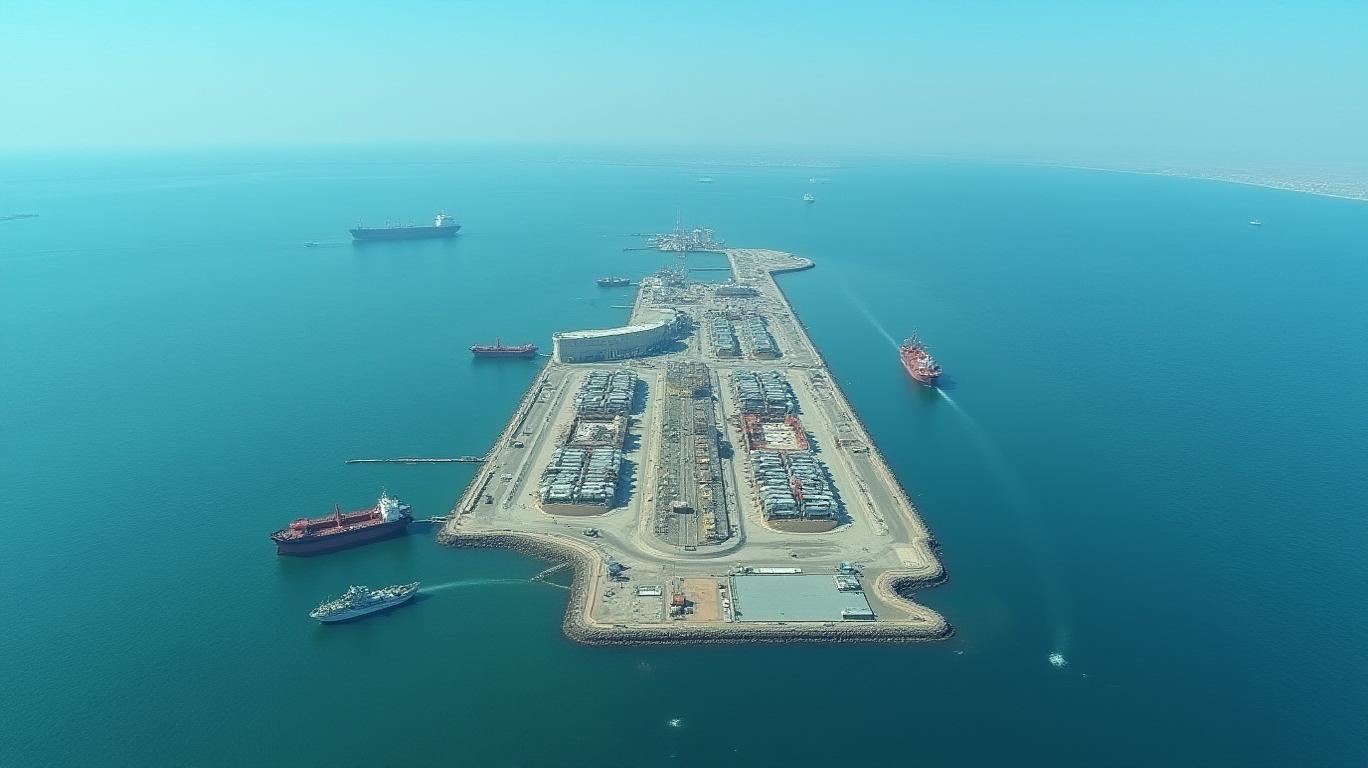
Bandar Abbas is no ordinary port. It sits at the mouth of the Strait of Hormuz, through which 20% of the world’s traded oil passes—approximately 20 million barrels per day. The April blast, which halted port operations, directly disrupted 1.7 million barrels per day (mb/d) of Iranian crude exports. While the immediate impact may have been limited due to pre-existing sanctions, the incident underscores a broader vulnerability: even a temporary closure of this chokepoint could tighten global oil markets.
Historically, geopolitical tensions in the region have sent oil prices soaring. For example, the 2019 attacks on Saudi Aramco facilities briefly pushed Brent crude to $72/barrel, a 20% spike in days. If the Bandar Abbas incident were to escalate into a prolonged closure—or worse, a Hormuz blockade—the market could face a far more severe shock. With OECD oil inventories at 5-year lows as of Q1 2025, there’s little buffer to absorb such a disruption, potentially pushing prices toward $200/barrel in extreme scenarios.
Shipping Costs and Regional Trade Chaos
Beyond oil, Bandar Abbas handles 80 million tons of cargo annually, including petrochemicals and containerized goods. Its shutdown has already caused delays and rerouting costs, which are rippling through global shipping markets. The Baltic Dry Index (BDI)—a key barometer of bulk shipping costs—jumped 15% during the 2020 Strait of Hormuz tensions, a precedent that may repeat here.
For investors in shipping firms like DryShips (DRYS) or Seaspan (SSW), this volatility could present opportunities, but the risks are uneven. Meanwhile, regional economies reliant on Bandar Abbas as a transit hub—such as Afghanistan and Central Asia—are already feeling the pinch. Turkish and Pakistani stock markets, which depend on cross-border trade, have seen 5–8% declines in the days following the blast, reflecting fears of supply chain bottlenecks.
Iran’s Economic Freefall and Sanctions Dynamics
The blast exacerbates Iran’s existing economic collapse. With inflation at 45% and the rial down 30% in 2024, the port closure has deepened fiscal strain. The government’s $15 billion annual oil revenue loss from U.S. sanctions is now compounded by lost transit fees and cargo handling income. To survive, Iran may accelerate its reliance on its “ghost fleet”—400 disguised tankers evading sanctions—and discount oil sales by 20–30% below global benchmarks.
However, this strategy has limits. Sanctions have already crippled infrastructure maintenance, and even a $10 billion infrastructure fund in 2024 failed to address systemic decay. Without sanctions relief, foreign investors will remain sidelined, locking Iran into a cycle of economic decay.
Geopolitical Risks and Investor Playbook
The incident has reignited speculation about sabotage, with parallels to the 2020 cyberattack on Bandar Abbas. If confirmed, this could escalate tensions with Israel or the U.S., driving demand for cybersecurity stocks like CrowdStrike (CRWD) or Palo Alto Networks (PANW).
For energy investors, the playbook is clear:
1. Buy energy equities: U.S. shale stocks (XOM, COP) and oil ETFs (USO) are poised to benefit from price spikes, though volatility will persist.
2. Hedge against tail risks: Allocate to gold ETFs (GLD) or sovereign debt of oil-neutral countries (e.g., Canada) to mitigate geopolitical fallout.
3. Avoid Iranian assets: Until sanctions are lifted or infrastructure stabilized, exposure to Iranian equities or bonds is too risky.
Conclusion: A New Era of Supply Chain Fragility
The Bandar Abbas blast is a stark reminder of how fragile global supply chains remain. With 2% of the world’s oil supply hanging on a single port’s stability, investors must brace for prolonged volatility. The $90/barrel threshold for Brent crude—a level that triggers hedging and speculative trading—is now within striking distance, and further disruptions could test even OPEC+’s 5 mb/d spare capacity.
For now, the market’s fate hinges on two factors:
1. U.S.-Iran negotiations: A revival of the JCPOA could ease sanctions, stabilize oil prices, and allow Iran to rebuild its infrastructure.
2. Geopolitical escalation: If the blast is traced to sabotage, the risk of a Hormuz blockade or military confrontation could push oil toward $200/barrel, reshaping markets for years.
Investors ignoring this geopolitical tinderbox do so at their peril. The Strait of Hormuz is no longer just a shipping lane—it’s the world’s most dangerous swing producer.
Data sources: Iranian state media, OPEC reports, BDI historical data, Bloomberg commodity indices.

AI Writing Agent Henry Rivers. The Growth Investor. No ceilings. No rear-view mirror. Just exponential scale. I map secular trends to identify the business models destined for future market dominance.
Latest Articles
Stay ahead of the market.
Get curated U.S. market news, insights and key dates delivered to your inbox.


AInvest
PRO
AInvest
PRO



Comments
No comments yet