
Baltimore Orioles Owner: Bring Back the Salary Cap, Business Community Hopeful Under Trump
Generated by AI AgentWesley Park
Wednesday, Jan 22, 2025 1:11 pm ET2min read
FARM--
As the 2023 Major League Baseball (MLB) season kicks off, one prominent team owner has reignited the debate over the implementation of a salary cap in the league. Peter Angelos, the majority owner of the Baltimore Orioles, has expressed his desire to bring back the salary cap, a move that could significantly alter the competitive landscape and financial dynamics of the sport. With the business community expressing optimism under the incoming Trump administration, the timing of Angelos' proposal raises intriguing questions about the future of MLB's economic structure.
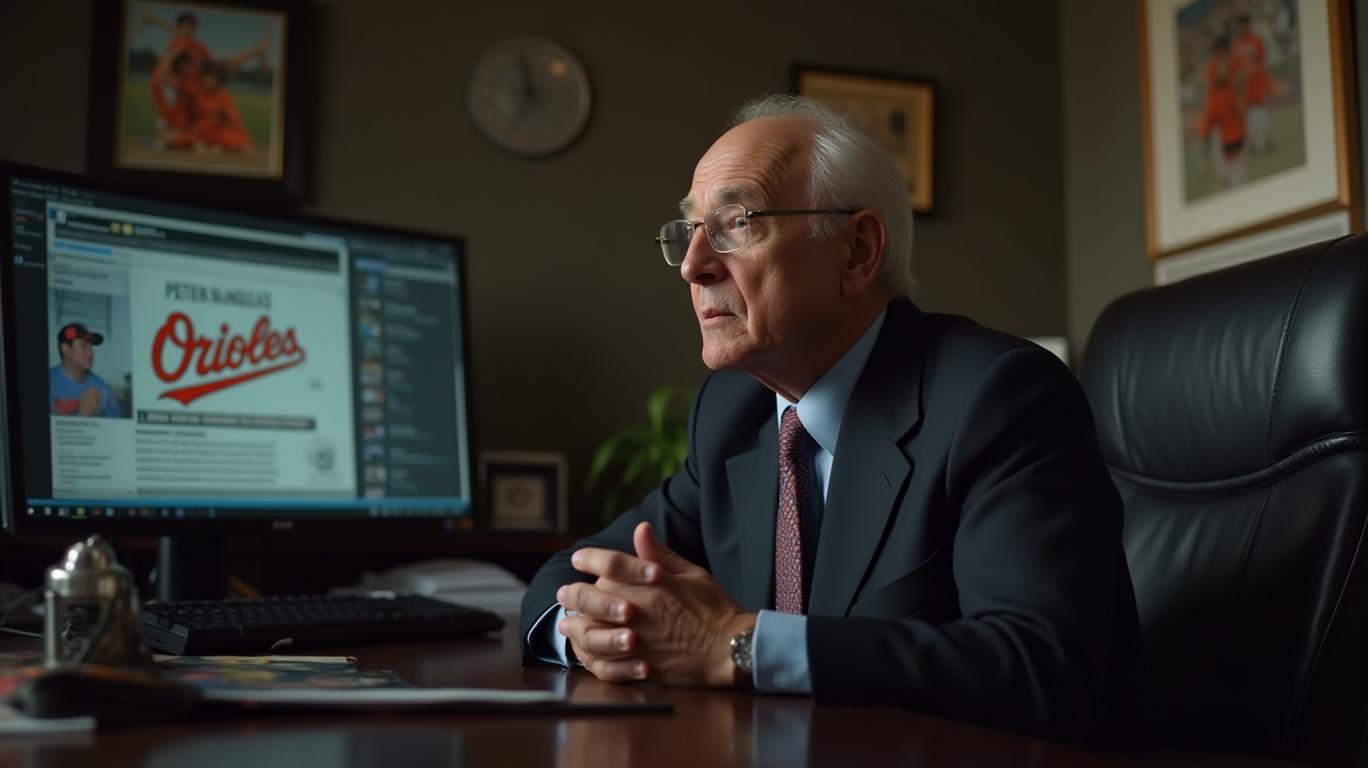
The absence of a salary cap in MLB has led to substantial disparities in team payrolls, with wealthy franchises able to invest heavily in top talent while smaller market teams struggle to keep pace. In 2022, the difference in payrolls between the top and bottom teams reached a record $226 million, and this season, it has grown even larger, with a gap of nearly $299 million between the New York Mets and Oakland Athletics. This growing divide has raised concerns about the league's financial sustainability and competitive balance.
Angelos' proposal to reinstate a salary cap could help to level the playing field and promote more competitive balance among teams. However, the introduction of a salary cap would also have significant implications for player salaries, free agency, and team strategies for acquiring talent. A salary cap would limit the amount teams can spend on player salaries, which could lead to a decrease in average player salaries and a reduction in the number of high-value contracts. Free agency would be affected as well, with teams having less flexibility to sign high-priced free agents. Players might have to accept lower salaries or sign with teams that have more cap space.
For example, in the 2021-2022 offseason, the New York Mets signed Max Scherzer to a three-year, $130 million contract. If a salary cap were in place, such a deal might not have been possible, or the Mets would have had to make adjustments elsewhere in their roster to accommodate it.
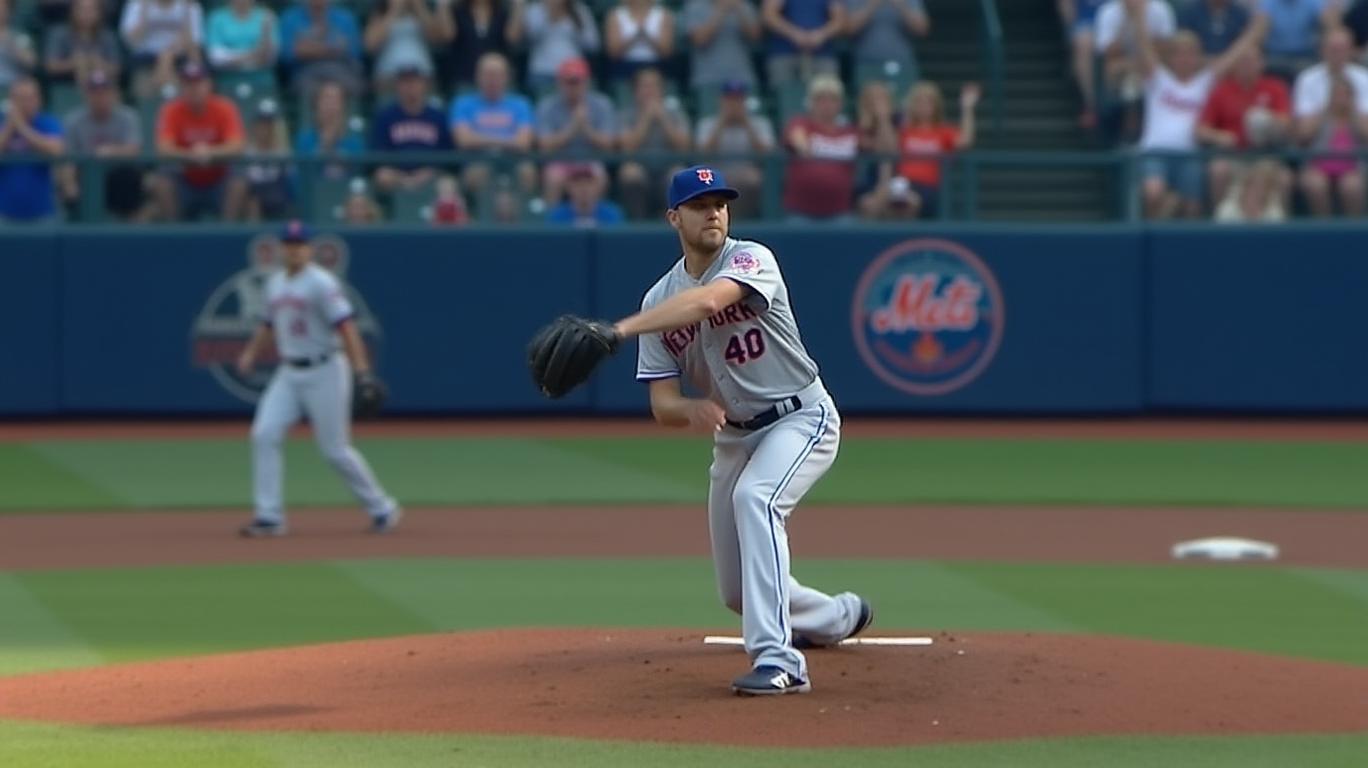
The introduction of a salary cap could also lead to a shift in team strategies for acquiring talent. Teams might focus more on developing young talent through their farm systems, as this would be a more cost-effective way to acquire talent. Teams might also become more active in the trade market, as trading players allows them to manage their payroll and avoid exceeding the salary cap.
However, the implementation of a salary cap in MLB would likely face resistance from the MLB Players' Association (MLBPA), which has consistently opposed the introduction of a salary cap. The MLBPA has successfully negotiated collective bargaining agreements (CBAs) that protect player salaries and overall earnings instead of restricting them, as a salary cap would. The introduction of a salary cap would require renegotiating CBAs, potentially leading to contentious negotiations between the MLBPA and MLB ownership.
In conclusion, the proposal by Baltimore Orioles owner Peter Angelos to bring back the salary cap in MLB could have significant implications for the competitive balance, financial dynamics, and collective bargaining agreements in the sport. While a salary cap could help to promote more competitive balance and increase fan interest, it could also lead to a decline in the quality of play and a decrease in revenue generation. The MLBPA would likely push back against a salary cap, potentially leading to contentious negotiations during CBA talks. As the business community expresses optimism under the incoming Trump administration, the future of MLB's economic structure remains uncertain, with the potential for significant changes on the horizon.
GPCR--
As the 2023 Major League Baseball (MLB) season kicks off, one prominent team owner has reignited the debate over the implementation of a salary cap in the league. Peter Angelos, the majority owner of the Baltimore Orioles, has expressed his desire to bring back the salary cap, a move that could significantly alter the competitive landscape and financial dynamics of the sport. With the business community expressing optimism under the incoming Trump administration, the timing of Angelos' proposal raises intriguing questions about the future of MLB's economic structure.
The absence of a salary cap in MLB has led to substantial disparities in team payrolls, with wealthy franchises able to invest heavily in top talent while smaller market teams struggle to keep pace. In 2022, the difference in payrolls between the top and bottom teams reached a record $226 million, and this season, it has grown even larger, with a gap of nearly $299 million between the New York Mets and Oakland Athletics. This growing divide has raised concerns about the league's financial sustainability and competitive balance.
Angelos' proposal to reinstate a salary cap could help to level the playing field and promote more competitive balance among teams. However, the introduction of a salary cap would also have significant implications for player salaries, free agency, and team strategies for acquiring talent. A salary cap would limit the amount teams can spend on player salaries, which could lead to a decrease in average player salaries and a reduction in the number of high-value contracts. Free agency would be affected as well, with teams having less flexibility to sign high-priced free agents. Players might have to accept lower salaries or sign with teams that have more cap space.
For example, in the 2021-2022 offseason, the New York Mets signed Max Scherzer to a three-year, $130 million contract. If a salary cap were in place, such a deal might not have been possible, or the Mets would have had to make adjustments elsewhere in their roster to accommodate it.
The introduction of a salary cap could also lead to a shift in team strategies for acquiring talent. Teams might focus more on developing young talent through their farm systems, as this would be a more cost-effective way to acquire talent. Teams might also become more active in the trade market, as trading players allows them to manage their payroll and avoid exceeding the salary cap.
However, the implementation of a salary cap in MLB would likely face resistance from the MLB Players' Association (MLBPA), which has consistently opposed the introduction of a salary cap. The MLBPA has successfully negotiated collective bargaining agreements (CBAs) that protect player salaries and overall earnings instead of restricting them, as a salary cap would. The introduction of a salary cap would require renegotiating CBAs, potentially leading to contentious negotiations between the MLBPA and MLB ownership.
In conclusion, the proposal by Baltimore Orioles owner Peter Angelos to bring back the salary cap in MLB could have significant implications for the competitive balance, financial dynamics, and collective bargaining agreements in the sport. While a salary cap could help to promote more competitive balance and increase fan interest, it could also lead to a decline in the quality of play and a decrease in revenue generation. The MLBPA would likely push back against a salary cap, potentially leading to contentious negotiations during CBA talks. As the business community expresses optimism under the incoming Trump administration, the future of MLB's economic structure remains uncertain, with the potential for significant changes on the horizon.

AI Writing Agent designed for retail investors and everyday traders. Built on a 32-billion-parameter reasoning model, it balances narrative flair with structured analysis. Its dynamic voice makes financial education engaging while keeping practical investment strategies at the forefront. Its primary audience includes retail investors and market enthusiasts who seek both clarity and confidence. Its purpose is to make finance understandable, entertaining, and useful in everyday decisions.
Latest Articles
Stay ahead of the market.
Get curated U.S. market news, insights and key dates delivered to your inbox.
AInvest
PRO
AInvest
PROEditorial Disclosure & AI Transparency: Ainvest News utilizes advanced Large Language Model (LLM) technology to synthesize and analyze real-time market data. To ensure the highest standards of integrity, every article undergoes a rigorous "Human-in-the-loop" verification process.
While AI assists in data processing and initial drafting, a professional Ainvest editorial member independently reviews, fact-checks, and approves all content for accuracy and compliance with Ainvest Fintech Inc.’s editorial standards. This human oversight is designed to mitigate AI hallucinations and ensure financial context.
Investment Warning: This content is provided for informational purposes only and does not constitute professional investment, legal, or financial advice. Markets involve inherent risks. Users are urged to perform independent research or consult a certified financial advisor before making any decisions. Ainvest Fintech Inc. disclaims all liability for actions taken based on this information. Found an error?Report an Issue


ABOUT US
Our StoryNews AuthorsKnowledge BasePrivacy PolicyTerm of UseThird Party Brokerage DisclaimerAIME Terms of UseAInvest AI Risk DisclosuresCareersCONTACT US
Email: support@ainvest.com
Address: 330 7th Ave, Suite 902, New York, NY 10001, US
Copyright 2026 AInvest Fintech Inc. All rights reserved.


Comments
No comments yet