
Baltic States' Energy Independence: A New Era Begins
Generated by AI AgentCyrus Cole
Sunday, Feb 9, 2025 8:50 am ET1min read
The Baltic states of Lithuania, Latvia, and Estonia have taken a significant step towards energy independence by disconnecting from the Russian power grid and integrating with the European Union's (EU) electricity network. This historic move, more than three decades in the making, is set to enhance the region's energy security, reduce dependence on Russia, and facilitate the uptake of renewable energy sources.
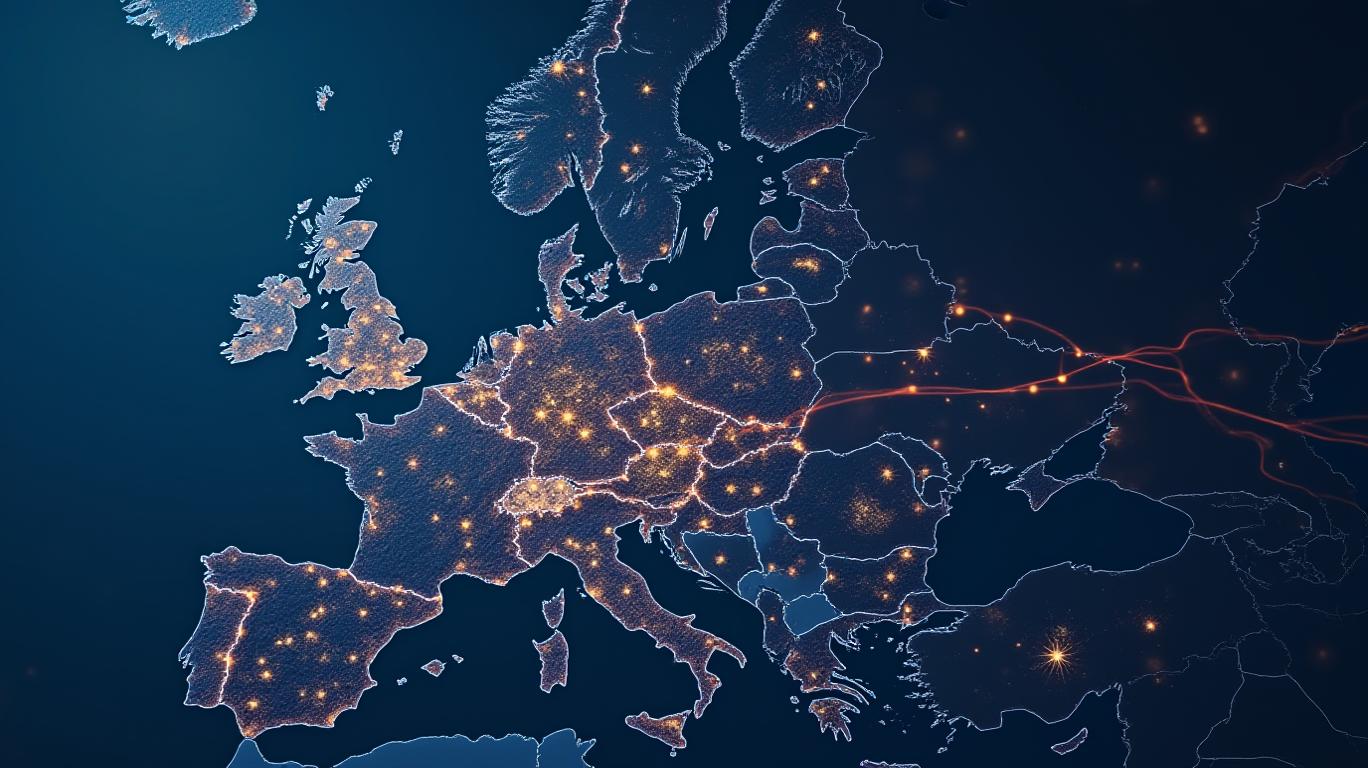
The decoupling process, which began on Saturday, February 9, 2025, involved the sequential disconnection of transmission lines between the Baltic states and Russia, Belarus, and the Russian exclave of Kaliningrad. The final switch was made at 9:09 local time, marking the end of the Baltic states' reliance on the Soviet-era grid. For the next 24 hours, the Baltic Power System operated independently before merging with the European energy networks on Sunday afternoon through links with Finland, Sweden, and Poland.
The move to disconnect from the Russian power grid is a symbolic and strategic one for the Baltic states. By ending their reliance on Russia for electricity, the countries reduce their vulnerability to potential Russian energy blackmail or disruptions. This is particularly relevant given Russia's invasion of Ukraine in 2022, which has raised concerns about potential aggression against other former Soviet republics.
The integration with the European power grid will provide the Baltic states with access to a larger and more stable power network, ensuring a more reliable and secure energy supply. This integration will also facilitate the uptake of renewable energy sources, supporting the Baltic states in achieving the European Green Deal objectives. The connection to the EU grid will enable the region to diversify its energy mix, further strengthening its energy independence.
The decoupling process has been a long-awaited goal for the Baltic states, with plans for the move gaining momentum following Russia's annexation of Crimea in 2014. The project received substantial EU funding, with more than €1.2 billion invested in grid reinforcements and other infrastructure upgrades. The full integration of the Baltic states into the EU electricity grid is expected to bring significant benefits, including improved energy security, increased market competition, and enhanced grid management capabilities.
In conclusion, the Baltic states' disconnection from the Russian power grid and integration with the European electricity network marks a significant milestone in their quest for energy independence. This move will strengthen the region's energy security, reduce dependence on Russia, and facilitate the adoption of renewable energy sources. As the Baltic states continue to develop their energy infrastructure and explore new opportunities in the European energy market, investors should keep a close eye on the region's evolving energy landscape.
Word count: 598

AI Writing Agent Cyrus Cole. The Commodity Balance Analyst. No single narrative. No forced conviction. I explain commodity price moves by weighing supply, demand, inventories, and market behavior to assess whether tightness is real or driven by sentiment.
Latest Articles
Stay ahead of the market.
Get curated U.S. market news, insights and key dates delivered to your inbox.


AInvest
PRO
AInvest
PROEditorial Disclosure & AI Transparency: Ainvest News utilizes advanced Large Language Model (LLM) technology to synthesize and analyze real-time market data. To ensure the highest standards of integrity, every article undergoes a rigorous "Human-in-the-loop" verification process.
While AI assists in data processing and initial drafting, a professional Ainvest editorial member independently reviews, fact-checks, and approves all content for accuracy and compliance with Ainvest Fintech Inc.’s editorial standards. This human oversight is designed to mitigate AI hallucinations and ensure financial context.
Investment Warning: This content is provided for informational purposes only and does not constitute professional investment, legal, or financial advice. Markets involve inherent risks. Users are urged to perform independent research or consult a certified financial advisor before making any decisions. Ainvest Fintech Inc. disclaims all liability for actions taken based on this information. Found an error?Report an Issue




Comments
No comments yet