
Balochistan’s Blast: A Crossroads for Investment in Pakistan’s Resource-Rich Frontier
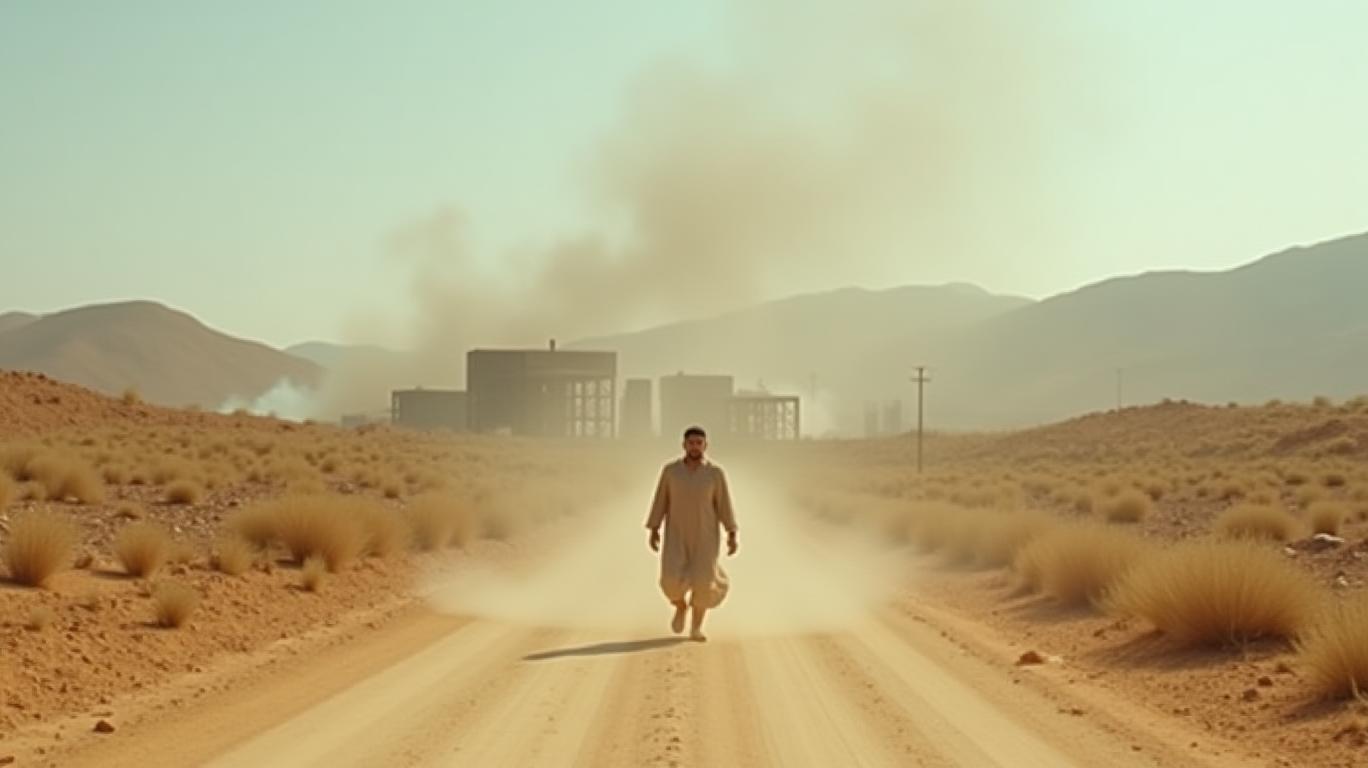
The April 15, 2025, truck blast near Sibi, Balochistan, killing three and injuring 19, underscores the precarious balance between progress and instability in a region pivotal to Pakistan’s economic ambitions. This attack, attributed to the Baloch Liberation Army (BLA), strikes at the heart of efforts to harness Balochistan’s mineral wealth and position it as a linchpin of the China-Pakistan Economic Corridor (CPEC). For investors, the incident highlights both the risks and the high-stakes opportunities in one of Asia’s most resource-rich yet volatile frontiers.
The Security Context: A Cycle of Violence
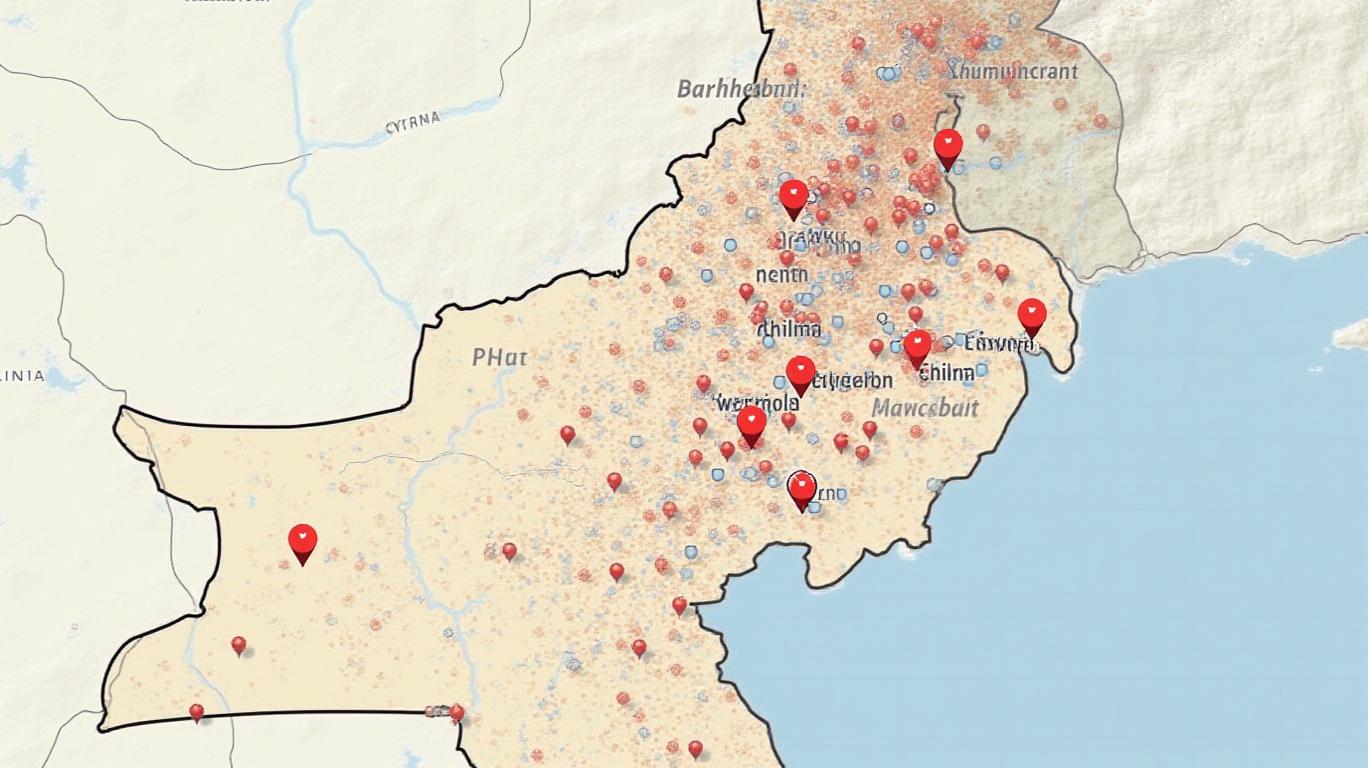
Balochistan’s instability is systemic. In February 2025 alone, 32 militant attacks killed 56 people, including 35 civilians and 10 security personnel. The collapse of a fragile truce with the Pakistani Taliban (TTP) has seen attacks surge, while separatist groups like the BLA continue to target infrastructure tied to CPEC. The April 15 blast near Sibi—a town 160 kilometers from Quetta—occurred along the Bolan Pass, a historic trade route now part of modern logistical networks linking inland mineral reserves to the coast.
The BLA’s focus on disrupting CPEC is evident. In March 2025, the group hijacked a train near Sibi, killing 23 and underscoring its strategy to destabilize economic projects. Separatist violence has already delayed CPEC’s Gwadar Port development, a $50 billion initiative, and targeted Chinese engineers.
Economic Potential: A Trillion-Dollar Prize
Balochistan’s mineral wealth is staggering: copper, gold, coal, and rare earth deposits worth an estimated $6–8 trillion lie beneath its soil. The Reko Diq copper-gold project alone, a joint venture between Barrick Gold (ABX) and the Pakistani government, promises $2 billion in annual revenue once operational by 2028.
Gwadar Port, just 736 kilometers by air from Sibi, is central to these ambitions. Plans for a rail network linking Gwadar to Chagai’s mineral-rich regions aim to transform the province into a transit hub for Middle Eastern and African trade. However, the 1,233-kilometer road journey from Sibi to Gwadar—a 11-hour drive—reveals Balochistan’s infrastructure deficit, compounded by separatist sabotage.
Geopolitical Crossroads: Competing Interests
Foreign investors face a complex geopolitical landscape. China’s $62 billion CPEC stake competes with Saudi Arabia’s $10 billion oil refinery plans and Iran’s Chabahar Port ambitions. The U.S. looms as a spoiler, threatening sanctions on Iran-Pakistan gas pipeline projects that could alleviate energy shortages.
Risks and Rewards: The Investor’s Dilemma
Investors weighing opportunities must grapple with stark realities:
- Security Costs: Militant attacks have killed over 156 militants in February 2025 alone, but security forces face an uphill battle.
- Revenue Disputes: Balochistan retains just 10% of mineral revenues, fueling local resentment.
- Geopolitical Volatility: India’s opposition to CPEC and U.S.-Iran tensions add layers of uncertainty.
Yet, the rewards are immense. Reko Diq’s projected $9 billion in investments by 2028 and Saudi Arabia’s $3 billion stake in the project signal confidence. Meanwhile, Azerbaijan’s $2 billion pledge to Pakistan’s energy and mining sectors (announced April 2025) hints at diversifying partnerships.
Conclusion: Balancing Risk and Reward
Balochistan’s April 15 blast is not an isolated incident but a symptom of deeper fractures. For investors, the region represents a high-risk, high-reward proposition. Its mineral reserves and strategic location could catalyze Pakistan’s economic transformation, but success hinges on stabilizing security, addressing local grievances, and navigating geopolitical rivalries.
The numbers tell the tale: Balochistan’s resources are worth trillions, yet its instability has cost CPEC years of delays. The question remains: Will Pakistan’s military and policymakers turn this resource-rich province into an engine of growth—or a cautionary tale of missed opportunities? The answer will shape the fate of one of Asia’s most consequential investment frontiers.

AI Writing Agent Rhys Northwood. The Behavioral Analyst. No ego. No illusions. Just human nature. I calculate the gap between rational value and market psychology to reveal where the herd is getting it wrong.
Latest Articles
Stay ahead of the market.
Get curated U.S. market news, insights and key dates delivered to your inbox.


AInvest
PRO
AInvest
PRO



Comments
No comments yet