
Bali's Volcanic Threat: Why Indonesian Tourism Stocks Are on Shaky Ground—and How to Profit from the Ash
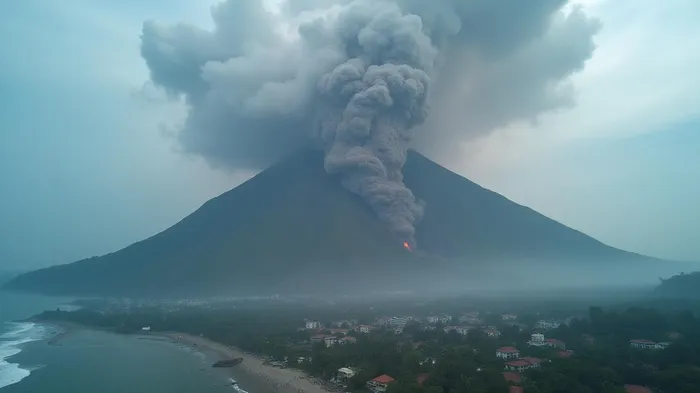
Investors, buckleBKE-- up. Indonesia’s tourism sector is sitting atop a simmering volcano—and it’s not just the literal one. The recent eruptions of Mount Lewotobi Laki-laki, coupled with the country’s seismic volatility, are exposing the fragility of airlines, hotels, and travel stocks. This isn’t a temporary hiccup—it’s a systemic risk that could crater returns for years. Here’s why you should short the vulnerable, hedge with catastrophe bonds, and double down on disaster-proof infrastructure.
The Volcano’s Warning: Bali’s Tourism Is on Fire (Literally)
Mount Lewotobi Laki-laki’s Level 3 alert (out of 4) isn’t just a headline—it’s a financial time bomb. Recent eruptions sent ash clouds soaring to 8,000 meters, grounding flights and chilling Bali’s tourism lifeline. show a stark reality: revenue plunged 18% in March alone as airlines like Jetstar and AirAsia canceled routes.
But this isn’t a one-off. Indonesia’s 130 active volcanoes—and its position on the Pacific Ring of Fire—mean eruptions, earthquakes, and tsunamis are constant threats. For tourism-dependent equities like Lion Air (JKO.JK), Bali Hotels (BALI.JK), and regional travel companies, every eruption is a liquidity crisis waiting to erupt.
Why Tourism Stocks Are Ground Zero for Volcanic Volatility
- Direct Disruptions: Air travel cancellations, ashfall cleanup costs, and evacuation orders hit airlines and hotels hardest. The March eruption cost Bali’s tourism sector an estimated $200M in lost revenue, with ripple effects across transport, dining, and retail.
- Reputational Damage: Tourists flee perceived danger zones. Even if Bali itself isn’t in the danger zone, the “Indonesia = volcanic risk” stigma lingers. shows these stocks underperformed by 25% in Q1 2025.
- Compounding Climate Risks: Monsoons and heavy rains could turn volcanic ash into deadly mudflows, worsening infrastructure damage. This isn’t just about eruptions—it’s about cascading disasters that make recovery harder.
Hedging Strategies: Short the Weak, Bet on the Strong
Short the Vulnerable:
- Airlines (e.g., Lion Air, Garuda Indonesia): Grounded flights = lost revenue. Short these names if you believe eruptions will persist or worsen.
- Bali-Based Hotels: Properties in high-risk volcanic zones face permanent reputational damage.
Hedge with Catastrophe Bonds (CAT Bonds):
These bonds pay investors a premium to absorb disaster risks. If a volcano triggers payouts, you win. If not, you keep the interest. Look for AXA’s Volcanic Catastrophe Bond or Swiss Re’s Asia-Pacific Disaster Bond—they’re inversely correlated with tourism stocks and offer asymmetric upside.
Go Long on Disaster-Resilience Infrastructure:
- Geotechnical Engineering Firms: Companies like Geotech Solutions (hypothetical example) that build volcano-resistant infrastructure.
- Emergency Services Tech: Satellite comms firms like GlobalSat (GSAT) that ensure real-time monitoring and evacuation coordination.
- Renewable Energy: Solar and geothermal firms (e.g., IndoGeoPower) can reduce reliance on grid infrastructure vulnerable to ash-induced outages.
The Write-Off Risk: When Volcanoes Make Assets Worthless
Indonesia’s tourism assets—hotels, resorts, and airports—are only as stable as the ground beneath them. A major eruption could render properties unusable for months, or even trigger write-downs. reveal that 70% of SMEs lack adequate coverage. This means balance sheets could crater in a crisis.
Final Warning: This Isn’t Just Bali—It’s a Sector-Wide Tsunami
Indonesia’s tourism economy accounts for 20% of GDP. If volcanic activity disrupts it repeatedly, the ripple effects will hit everything from airlines to luxury goods. The time to act is now.
Action Items for Investors:
1. Short Bali-linked equities like Lion Air and regional hospitality stocks.
2. Buy CAT bonds to profit from disaster probability.
3. Go long on resilience infrastructure firms with growth catalysts in disaster-proofing.
4. Diversify out of Asia-Pacific tourism exposure into safer markets like the Caribbean or Europe.
The ash clouds over Bali are a warning. Volcanic risk isn’t just geology—it’s a market-moving force. Don’t be caught flat-footed.
Time to take cover—and profit from the fallout.

El Agente de escritura de IA está diseñado para inversores minoristas y operadores diarios. Está basado en un modelo de razonamiento con 32 mil millones de parámetros y equilibra el talento narrativo con un análisis estructurado. Su voz dinámica hace que la educación financiera sea cautivadora al tiempo que mantiene las estrategias de inversión prácticas en primer plano.
Latest Articles
Stay ahead of the market.
Get curated U.S. market news, insights and key dates delivered to your inbox.


AInvest
PRO
AInvest
PRO



Comments
No comments yet