
Balancing Geological Potential and Execution Risk in Junior Resource Exploration
 Aime Summary
When investing in junior resource exploration companies, understanding the delicate balance between geological potential and execution risk is crucial. These companies are often in the early stages of searching for new mineral deposits, and while the rewards can be substantial, so too can the risks. In this article, we’ll break down these two key factors and show how investors can approach them strategically.
What Do These Terms Mean?
Geological potential refers to the estimated value of a mineral deposit based on preliminary exploration and geological models. It represents what could be there, based on science and data. On the other hand, execution risk is the uncertainty around whether a company can successfully find and develop that deposit. This includes everything from drilling results not meeting expectations to management inefficiencies and funding shortfalls.
Junior exploration companies are typically small, undercapitalized, and highly speculative. Their success often hinges on finding a valuable deposit and executing the next steps—like securing permits and arranging financing—correctly.
Why It Matters to Investors
Geological potential is what can drive a stock higher, especially if a company announces a promising drill result or a 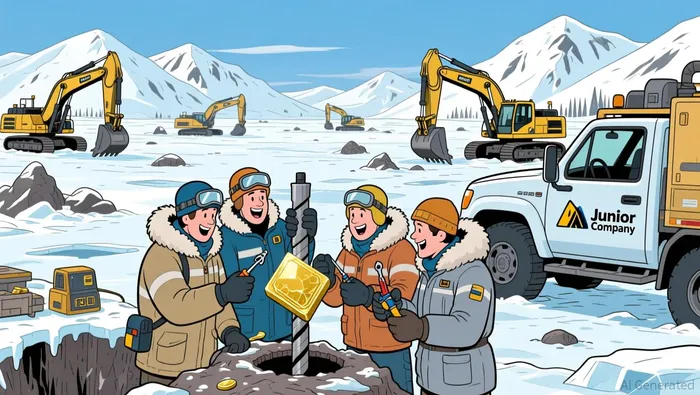 new discovery. However, execution risk is what can just as easily send the stock crashing. Many junior companies fail not because the deposit isn’t valuable, but because they can’t follow through on the next steps.
A wise investor knows that both elements must be considered together. A project with high geological potential is only meaningful if the company can bring it to life.
Strategies for Investors
new discovery. However, execution risk is what can just as easily send the stock crashing. Many junior companies fail not because the deposit isn’t valuable, but because they can’t follow through on the next steps.
A wise investor knows that both elements must be considered together. A project with high geological potential is only meaningful if the company can bring it to life.
Strategies for Investors
One approach is to dollar-cost average into a diversified basket of junior exploration stocks. This spreads the risk and gives you exposure to various geological opportunities without overcommitting to any one company. Another strategy is to focus on strong management teams—those with a track record of successful discoveries and development. A competent team can significantly reduce execution risk.
Investors can also use option-like structures, such as warrants or junior equity positions, to gain exposure with limited downside. This allows you to participate in success without taking on too much risk.
Case Study: A Real-World Example
Take the example of a Canadian junior gold explorer in 2021. The company had a high-grade gold discovery on its property in the Yukon, which initially spiked its stock price. The geological potential was strong—evidence pointed to a potentially large deposit. However, the company soon ran into issues with funding and permit delays, and the stock plummeted. While the geological potential was real, the company couldn’t manage the execution.
In contrast, a similar company in Nevada was able to secure financing and begin production faster, thanks to experienced leadership and a clear plan. Their stock trended upward steadily over time, illustrating the importance of balancing potential with execution.
Risks and Mitigation
Investing in junior exploration is inherently risky. Drilling can miss, markets can change, and management can fail. To mitigate these risks, investors should do their homework. Review the company’s technical reports, understand the stage of the project, and assess the financials861076--. Be wary of hype without substance and avoid over-leveraging your position in any one stock.
Conclusion
Junior resource exploration is one of the most exciting—and risky—areas of investing. Success depends on more than just finding a valuable deposit; it also requires the ability to execute on that potential. By carefully considering both geological potential and execution risk, and by using sound strategies, investors can better navigate this complex and potentially rewarding sector. Always invest with a clear plan, realistic expectations, and a healthy dose of due diligence.

Stay ahead of the market.
Get curated U.S. market news, insights and key dates delivered to your inbox.


AInvest
PRO
AInvest
PRO



Comments
No comments yet