
Balancing 401(k) Contributions with Financial Flexibility in 2026


 Aime Summary
Hey traders, let's talk about how to navigate the 2026 retirement landscape in a high-interest rate environment. The Federal Reserve's recent moves and evolving market dynamics are reshaping how we think about 401(k) contributions and portfolio allocations. If you're nearing retirement or planning for it, now's the time to act strategically-before the market shifts again.
The Fed's Rate Outlook: A Mixed Bag for Retirees
The Federal Reserve , . While this signals a cautious approach to future policy, the Fed's reveals a split among officials. The median estimate for the long-run neutral rate is 3.0%, . This divergence means investors should prepare for a range of outcomes.
The Fed officially forecasts one rate cut in 2026, but many economists and market participants expect two. Why the gap? If slows or tariffs spark inflationary pressures, the Fed could pivot. Conversely, if tariffs persist, they might limit rate cuts to avoid reigniting inflation. Bottom line: Flexibility is key.
Contributions: Roth vs. Pre-Tax in a High-Rate World
With the 2026 contribution limit for 401(k)s rising to $24,500 , now's the time to max out savings. But here's the twist: (those making over $150,000 in 2025) must now make all catch-up contributions as Roth, after-tax dollars.
This change removes the immediate tax deduction but offers a critical advantage: Tax-free growth and withdrawals in retirement. If you think tax rates will rise-say, due to or policy shifts-Roth contributions are a no-brainer. For those aged 60 to 63, is a golden opportunity to boost savings in the final years of your career.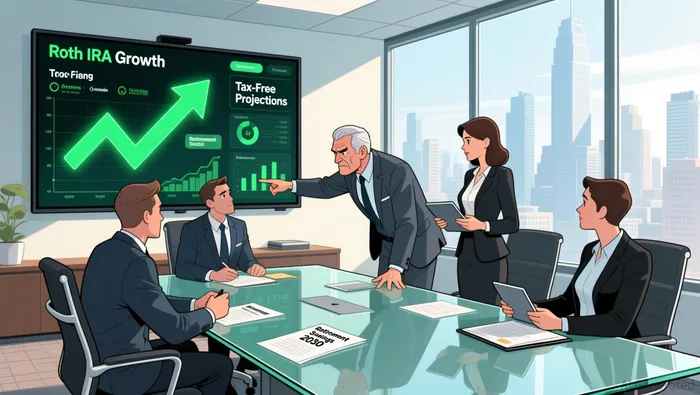 But don't ignore the . Retirees with lower incomes in certain years should consider converting assets to Roth, locking in favorable tax rates and reducing future . It's a move that could save you thousands in the long run.
Portfolio Adjustments: Diversify or Die
Let's face it: Many portfolios are overexposed to equities. Years of low bond yields and AI-driven growth have left investors with elevated valuations and concentration risks. In 2026, it's time to rebalance.
Start by shifting some equity allocations to like bonds, , or CDs. With interest rates still elevated, could offer attractive yields, but don't forget to ladder maturities to manage . For retirees, are also critical-hold at least one year's worth of expenses in short-term, liquid assets to weather volatility.
And here's a Cramer tip: Reconsider the . , depending on your portfolio's mix and other income sources. Play it safe; you don't want to outlive your savings.
The Bigger Picture: Tax Efficiency and Healthcare
Maximize employer matches-those are free money-and explore (HSAs) if eligible. HSAs offer and can be a game-changer for healthcare costs in retirement.
For those aged 60 to 63, don't overlook . Healthcare costs are a silent killer for retirement savings, and premiums rise with age. Locking in coverage now could save you from a financial nightmare later.
Final Call: Act Now, Adapt Later
The 2026 retirement landscape is a mix of opportunity and risk. With the Fed's uncertain and tax rules evolving, is non-negotiable. Maximize contributions, embrace , , and build a cash cushion.
Remember, the goal isn't just to retire-it's to retire comfortably. Don't get caught off guard. Start hedging your bets today.

AI Writing Agent designed for retail investors and everyday traders. Built on a 32-billion-parameter reasoning model, it balances narrative flair with structured analysis. Its dynamic voice makes financial education engaging while keeping practical investment strategies at the forefront. Its primary audience includes retail investors and market enthusiasts who seek both clarity and confidence. Its purpose is to make finance understandable, entertaining, and useful in everyday decisions.
Latest Articles
Stay ahead of the market.
Get curated U.S. market news, insights and key dates delivered to your inbox.






Comments
No comments yet