
Bahama Breeze Closures: A Cautionary Tale for Casual Dining's Efficiency Race
The recent closures of Bahama Breeze locations, once a vibrant Caribbean-themed dining chain, signal a critical turning point for the casual dining sector. With 15 locations shuttered since late 2023—reducing its footprint from 45 to just 14 by early 2025—the brand's struggles highlight the growing challenges of sustaining profitability in an era of soaring labor costs, supply chain volatility, and shifting consumer preferences. For investors, this is more than a single company's misfortune: it's a stark warning about the importance of operational efficiency and strategic agility in an industry undergoing seismic shifts.
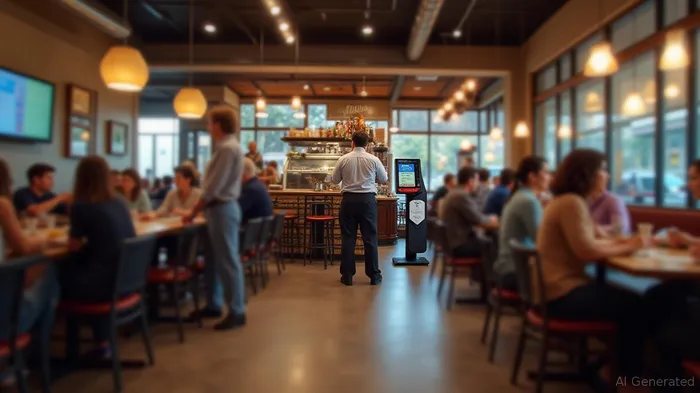
The Bahama Breeze Collapse: A Perfect Storm of Inefficiencies
Darden Restaurants, Bahama Breeze's parent company, cited declining sales (nearly 8% in 2024) and the brand's failure to meet strategic priorities as key reasons for its drastic restructuring. The decision to close locations and explore selling or repurposing remaining units underscores a broader truth: in today's market, brands that lack operational discipline or a clear value proposition face existential threats.
The chain's challenges are emblematic of industry-wide pressures:
- Labor Costs: Rising wages (now averaging $16–$20/hour in key markets) and staffing shortages have strained margins, particularly for labor-intensive casual dining models.
- Supply Chain Volatility: Ingredient costs surged by 5–12% in 2024–2025, with seafood and dairy among the hardest-hit categories.
- Consumer Shifts: Diners increasingly prioritize affordability and convenience, sidelining mid-tier brands like Bahama Breeze that can't compete on price or speed with fast-casual rivals.
Darden's stock has lagged behind fast-casual peers like Chipotle, reflecting investor skepticism about its portfolio's efficiency.
Operational Efficiency: The New Table Stake
The casual dining sector is in a race to optimize costs while maintaining guest satisfaction. Brands like Portillo's and Potbelly are outpacing competitors by adopting strategies that balance innovation with practicality:
1. Lean Operations & Tech-Driven Streamlining
- Portillo's “Restaurant of the Future”: By reducing store size by 1,000 sq. ft. and integrating self-service kiosks, Portillo's cuts labor costs by 15–20% while maintaining service quality.
- AI-Powered Inventory Management: Chains like Potbelly use predictive analytics to minimize food waste, lowering costs by 2–3%.
- Menu Simplification: Brinker International (Chili's) reduced SKUs by 13% in 2024, improving kitchen efficiency and reducing prep time by 10%.
2. Franchisee-Friendly Models
Successful chains are partnering with franchisees to share costs and innovation:
- Shared Tech Platforms: Brands like Olive Garden (Darden's star asset) provide centralized digital tools (e.g., mobile apps, loyalty programs) to reduce per-store tech investments.
- Localized Sourcing: Fogo de Chão prioritizes regional ingredient suppliers to cut logistics costs while maintaining quality.
3. Digital Innovation Without Overreach
- Contactless Solutions: 79% of diners prefer digital ordering, and chains like Potbelly now offer seamless app-based experiences to reduce wait times.
- Data-Driven Marketing: Brands leverage real-time customer feedback loops (closed in 48 hours) to refine menus and promotions, boosting retention by 12% (as seen in Marriott's practices).
Investment Implications: Where to Place Bets
The Bahama Breeze saga is a cautionary tale, but it also points to opportunities:
Avoid the Underperformers
- Stranded Assets: Chains clinging to bloated menus, inefficient footprints, or outdated tech (e.g., Bahama Breeze's Caribbean theme, which failed to resonate in cost-conscious markets) face declining relevance.
- Watch for Real Estate Plays: The prime locations of shuttered restaurants may be repurposed into co-living spaces or warehouses, offering investors a tangential play on the industry's consolidation.
Invest in the Agile
- Portfolio Pruning Leaders: Darden's move to exit Bahama Breeze and focus on Olive Garden and LongHorn Steakhouse demonstrates the value of ruthless portfolio discipline. Investors should favor companies that cut underperforming brands to redirect capital to high-margin assets.
- Tech-Enabled Operators: Brands like Portillo's and Potbelly, which combine digital innovation with operational rigor, are well-positioned to weather cost pressures. Their stock valuations (e.g., Potbelly's 20% year-to-date gain) reflect investor confidence.
Fast-casual operators (e.g., Chipotle) maintain lower food costs (28–30%) than traditional casual dining (30–34%), underscoring the cost advantage of leaner models.
Final Take: Efficiency or Extinction
The Bahama Breeze closures are not an isolated incident but a symptom of an industry in transition. For investors, the message is clear: brands that fail to master operational efficiency—through tech integration, menu simplification, and agile franchising—will fade. Conversely, companies like Portillo's and Darden (despite its struggles) that prioritize cost discipline and innovation will thrive. In this new era, the race isn't just about flavor—it's about fueling profitability with precision.
Investment Action Items:
1. Sell or Avoid: Chains with bloated operations, stagnant sales, or reliance on mid-tier pricing (e.g., Red Robin, Denny's).
2. Buy or Hold: Brands with streamlined footprints, strong digital platforms, and focused menus (e.g., Portillo's, Olive Garden).
3. Monitor: Private equity firms or real estate investors poised to acquire undervalued casual dining assets.
The writing's on the wall: in casual dining, efficiency isn't just an advantage—it's a survival requirement.
Data sources: Darden Restaurants earnings reports, National Restaurant Association, and industry analyst reports.

Stay ahead of the market.
Get curated U.S. market news, insights and key dates delivered to your inbox.






Comments
No comments yet