
Backpack Launches BP Token with Structured Unlock Schedule and Staking Incentives
 Aime Summary
Backpack’s BP token launched on March 23 with 25% of its total 1 billion token supply unlocked, allocated to community users and NFT holders. The token’s unlock schedule is tied to regulatory, product, and market access milestones, with additional tokens to be released pre-IPO and post-IPO. Token holders can stake BP for at least one year and convert it into company equity, linking token value directly to company performance.
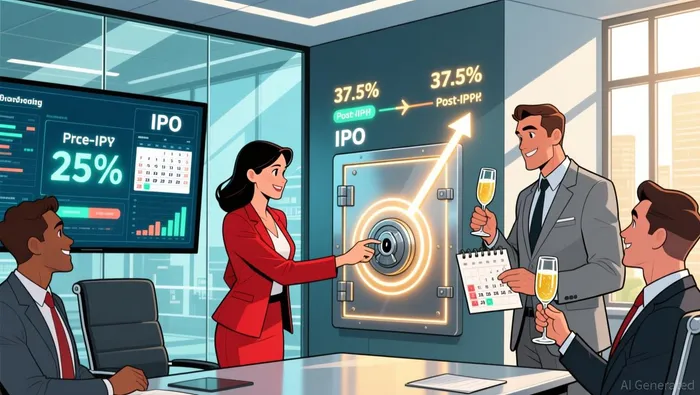
Backpack has introduced a unique tokenomics model that differentiates from traditional utility tokens. The structured unlock schedule ensures that the company and team have no direct token allocations at the time of launch, instead holding company equity. This design aims to align incentives by locking post-IPO tokens for at least one year and preventing early insider dumping. Staking is a central feature, offering rewards like fee discounts and USD yield.
The BP token operates on the SolanaSOL-- blockchain and has received security audits from firms like CertiK and Trail of Bits. Regulatory compliance is emphasized, with licenses in the UAE, UK, and Europe.
Backpack’s token distribution model excludes founders and investors from initial allocations and instead rewards active users and NFT holders. The platform’s user-centric approach to airdrops and staking aims to drive liquidity and user engagement.
Despite the structured approach, Backpack faced backlash after the launch due to a controversial airdrop policy that flagged multiple accounts as 'sybils,' leading to a 33% drop in the token’s value. The platform has since announced an appeal channel and token buyback to address these concerns.
What are the key features of Backpack's BP tokenomics?
Backpack’s tokenomics are structured to align long-term user and company interests. The BP token has a total supply of 1 billion tokens, with 25% unlocked at the TGE. Tokens are released based on platform growth and regulatory milestones, with 37.5% of the supply unlocked pre-IPO and another 37.5% post-IPO.
The unlock schedule is designed to prevent early dumping and ensure that token release is tied to value creation. The team and investors have no direct token allocations at launch, but their exposure is through company equity.
How does staking work for BP token holders?
Staking BP tokens is a central feature of Backpack’s tokenomics. Stakers can earn rewards like fee discounts, wire transfer savings, and USD yield. The staking mechanism includes a flexible unstaking rule, allowing users to unstake within the first seven days.
Stakers who hold their tokens for at least one year can convert them into company equity, linking token value directly to company performance. This feature is intended to promote long-term user engagement and align incentives between users and the company.
What are the potential risks and limitations of Backpack's approach?
Backpack’s tokenomics and airdrop strategy have faced criticism and backlash. The strict 'one person, one account' policy during the airdrop flagged multiple accounts as 'sybils,' leading to a 33% drop in the token’s value and accusations of unfair allocation. The platform has since announced an appeal channel and token buyback to address the issue.
Despite these efforts, the token’s value remains volatile, and unmet milestones could lead to liquidity restrictions. The structured unlock schedule and long-term staking incentives are intended to mitigate these risks, but they also mean that liquidity is limited until key milestones are reached.

La combinación de la sabiduría tradicional en el comercio con las perspectivas más avanzadas relacionadas con las criptomonedas.
Latest Articles
Stay ahead of the market.
Get curated U.S. market news, insights and key dates delivered to your inbox.


AInvest
PRO
AInvest
PRO



Comments
No comments yet