
Backpack BP Token Drops 14 Percent Amid Institutional Repositioning And Sybil Compensation Plan
 Aime Summary
Backpack's native BP token declined 14.26% on March 26, 2026, driven by a trading volume that exceeded 41% of its market capitalization. This unusual volume-to-cap ratio signals coordinated institutional repositioning rather than simple market capitulation. The move coincides with the platform's announcement of a compensation plan for users affected by Sybil fraud, adding another layer of complexity to the asset's recent volatility.
The sharp price drop occurred across all 62 tracked trading pairs, suggesting algorithmic selling pressure rather than isolated liquidity issues. Despite the broader decline, the token demonstrated relative resilience against the SolanaSOL-- ecosystem, falling only 9.27% compared to larger drops in other major assets. Analysts note that while the exchange announced expanded derivatives offerings in February, the market appears to be repricing risks related to potential securities classification of exchange tokens.
In response to community concerns over airdrop distributions, Backpack founder Armani Ferrante announced a comprehensive review of Sybil cases. The platform plans to recover over 50% of tokens for users identified as Sybils operating three or fewer accounts on a single device. This compensation will be funded through secondary market repurchases, ensuring that payouts do not rely on new token dilution.
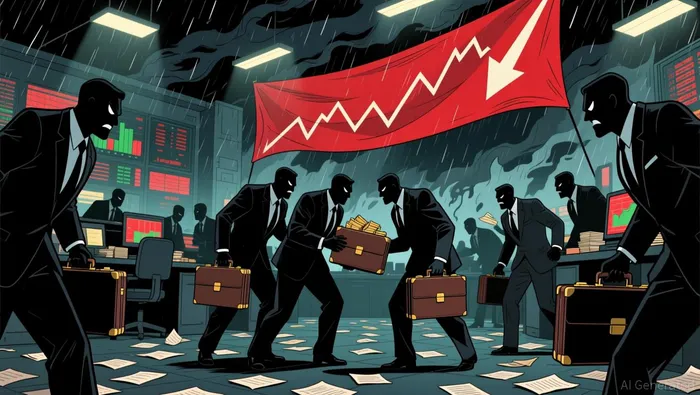
Why Is Backpack Token Volatility Spiking Despite Strong Fundamentals?
The current market turbulence reflects structural headwinds facing the exchange token category in 2026. Regulatory scrutiny has intensified globally, with authorities examining exchange-native tokens as potential unregistered securities. This environment has created uncertainty around the long-term value accrual of tokens like BP, even as the platform continues to expand its product suite.
Backpack's unique tokenomics model attempted to address insider dumping risks by allocating zero tokens to founders or investors at inception. Instead, 25% of the supply was distributed to users, with the remainder locked based on operational milestones and a potential IPO. The remaining 75% is subject to a multi-phase unlock schedule tied to company growth targets, with 37.5% reserved for a corporate treasury until after a public listing.
However, the initial launch saw a 541% price surge on Solana DEXs before stabilizing, creating a fragile liquidity environment. The absence of major centralized exchange listings has confined trading to specialized decentralized markets, making the asset vulnerable to wide spreads and manipulation. Sustained viability now depends on whether speculative flows can transition into deeper, stable trading activity.
How Does The Equity Conversion Model Impact Token Valuation?
Backpack has introduced a staking-to-equity mechanism that allows long-term holders to convert their BP tokens into company shares. Users who stake BP for at least one year can exchange their tokens for equity at a fixed rate, with 20% of company shares allocated to qualified stakers. This feature links the token's value directly to the firm's broader capital markets plans rather than limiting its role to trading incentives.
The model represents an industry first by aligning token incentives with long-term company performance. Team and investor tokens remain locked in the company treasury until after the IPO, preventing early insiders from profiting from retail investors. This structure aims to create a positive feedback loop where token holders benefit from the company's success in regions like the United States.
The equity conversion option is designed to encourage long-term commitment and reduce short-term selling pressure. Staking duration, amount, and platform product usage serve as weighted factors to determine priority allocation rights in the IPO. This approach differentiates Backpack from peers that typically offer immediate token unlocks to team members and venture investors.
What Are The Primary Risks For BP Token Holders Moving Forward?
Regulatory uncertainty remains the most significant risk factor for the BP token. Legislative proposals in the United States, such as those by Senator John Curtis, aim to restrict online prediction markets that often drive volume for exchange tokens. This scrutiny could limit the utility of the token if broader regulatory frameworks tighten around exchange-native assets.
The platform's pivot to embedded prediction markets introduces a structural tension between speculative incentives and emerging prohibitions. The new Unified Prediction Portfolio aims to capture high-liquidity flows but operates within rules designed to prevent trades based on stolen confidential information. This creates a complex environment where the very secrecy fueling trading activity may soon be restricted.
Market participants should also monitor the volume-to-market-cap ratio as a signal of future price direction. A sustained ratio above 41% without clear support levels suggests potential further volatility until the market establishes a new range. Investors are advised to wait for volume normalization to 10-15% of market cap before considering entry positions.
The token's reliance on the Solana ecosystem provides a degree of resilience but also exposes it to sector-specific risks. While the exchange has obtained licenses in the UAE, UK, and multiple European countries, the path to a U.S. listing remains uncertain. The disconnect between positive business developments and current price action indicates that the market is pricing in risks that may not yet be fully understood by all participants.
Backpack continues to emphasize technical compliance and direct user incentive alignment in its ongoing operations. The platform's ability to navigate these regulatory and structural challenges will be critical for the long-term success of the BP token and its associated equity conversion model. As the market digests these developments, the focus remains on whether the platform can sustain utility beyond the initial speculative surge.
The compensation plan for Sybil-affected users aims to restore confidence in the distribution mechanism. By funding payouts through secondary market repurchases, the platform avoids diluting existing holders while addressing past grievances. This approach signals a commitment to maintaining a fair and transparent ecosystem for all participants.
Ultimately, the BP token's trajectory will depend on its ability to transition from a high-volatility debut to a stable utility asset. The integration of prediction markets and the equity conversion model offer potential growth vectors, but regulatory headwinds pose significant challenges. Investors must weigh these factors carefully as the asset matures in the competitive exchange token landscape.

Blending traditional trading wisdom with cutting-edge cryptocurrency insights.
Latest Articles
Stay ahead of the market.
Get curated U.S. market news, insights and key dates delivered to your inbox.


AInvest
PRO
AInvest
PRO



Comments
No comments yet