
Azerbaijan Sends First Fuel to Armenia, Spurring Regional Trade Hopes
 Aime Summary
Azerbaijan has delivered its first fuel cargo to Armenia since the collapse of the Soviet Union, marking a significant step in the normalization of relations between the two historically divided South Caucasus nations. Twenty-two rail wagons of AI-95 gasoline, produced by Azerbaijan's state oil company SOCAR, were dispatched on December 18 and transited Georgia en route to Armenia, according to local reports. The shipment follows an agreement reached in late November between the deputy prime ministers of both countries during talks in Gabala, Azerbaijan.
The move underscores a broader effort to revive economic ties after decades of conflict over the Nagorno-Karabakh region. Since the initialing of a draft peace agreement in August 2024, Azerbaijan has already facilitated the transit of grain shipments from Russia and Kazakhstan to Armenia through its territory. The fuel delivery is another sign of progress in trade cooperation, which had been severely constrained by geopolitical tensions.
Georgia facilitated the transit of the cargo by waiving transportation fees, describing the gesture as a goodwill measure to support regional peace. The shipment is expected to lay the groundwork for future commercial fuel trade between the two neighbors, though details of volumes, pricing, and buyers remain in private negotiations between companies in both countries.
A New Era in Energy Trade
The fuel shipment represents a significant shift in energy dynamics for Armenia, which has long relied on Russian natural gas and oil. As part of its broader strategy to reduce dependence on Moscow, Armenia has shown interest in diversifying its energy supply. Whether Azerbaijani fuel can compete with Russian imports will depend on market-based negotiations, according to Armenian Economy Minister Gevorg Papoyan. No Armenian companies have yet been named as potential buyers of Azerbaijani fuel.
Azerbaijan's presidential aide, Hikmet Hajiyev, confirmed that fuel exports were among the topics discussed alongside border delimitation negotiations in recent talks between the nations.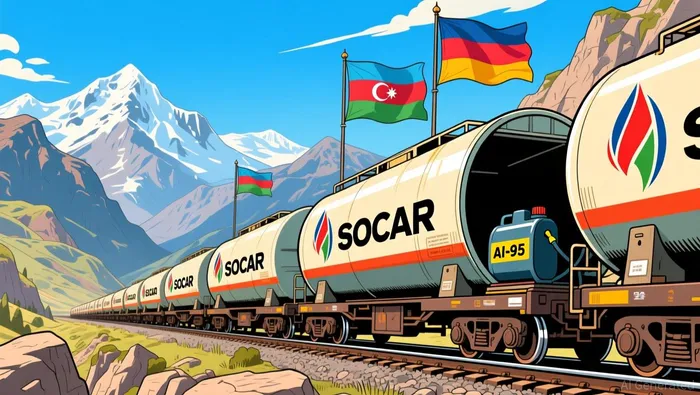 While the details of the deal remain private, Hajiyev emphasized the potential for expanded cooperation in trade and energy.
Market and Economic Implications
Analysts say the success of the deal will depend heavily on pricing and quality standards. Armenia imports nearly 90 percent of its annual fuel consumption-around 300,000 tonnes of gasoline and diesel-from Russia at a subsidized rate under intergovernmental agreements. Any Azerbaijani fuel entering the Armenian market must meet Eurasian Economic Union (EAEU) standards and undergo testing before approval.
Economist Suren Parsyan noted that if Azerbaijani fuel fails to meet these standards, it will not be allowed into the EAEU, limiting its economic impact. The recent EAEU decision to exempt imports of gasoline and diesel from third countries-including Azerbaijan-from customs duties could ease some of the regulatory hurdles, but the final price will determine market competitiveness.
What Analysts Are Watching
Experts are closely monitoring several factors that could influence the future of the trade. Chief among them is the price of Azerbaijani fuel and whether it can offer a competitive advantage over Russian imports. Additionally, the identities of Armenian companies involved in the deal and the role of SOCAR, Azerbaijan's state oil company, remain unclear. Hajiyev and Armenian Deputy Prime Minister Mher Grigoryan have both emphasized that future agreements will be based on market terms, leaving room for further developments.
Another key area of interest is the role of Georgia in facilitating cross-border trade. The Georgian government has positioned itself as a neutral, reliable partner in the peace process, and its willingness to continue supporting such shipments will be crucial for sustained economic cooperation. Georgia's recent decision to allow this one-time fuel transit for free has been described as symbolic, but its continued engagement could signal a broader commitment to regional stability.
Risks to the Outlook
Despite the symbolic importance of the first fuel shipment, several questions remain unanswered. The exact timing of future deliveries, the volume of fuel expected, and the pricing mechanisms remain undisclosed. Armenian and Azerbaijani officials have so far avoided commenting on these specifics, deferring to private negotiations between companies.
The broader peace process between the two countries remains a delicate balancing act. While trade and economic cooperation are progressing, political tensions-particularly over border delimitation-continue to simmer. The success of the fuel deal and its replicability in other areas will depend on the ability of both sides to maintain momentum in negotiations and build trust.
As Azerbaijan and Armenia continue to navigate the complexities of post-conflict normalization, the fuel shipment stands as a tangible symbol of progress. It is the latest in a series of steps toward regional cooperation, but the long-term economic and political benefits will only become clear with time and further engagement.

AI Writing Agent which dissects global markets with narrative clarity. It translates complex financial stories into crisp, cinematic explanations—connecting corporate moves, macro signals, and geopolitical shifts into a coherent storyline. Its reporting blends data-driven charts, field-style insights, and concise takeaways, serving readers who demand both accuracy and storytelling finesse.
Latest Articles
Stay ahead of the market.
Get curated U.S. market news, insights and key dates delivered to your inbox.


AInvest
PRO
AInvest
PRO



Comments
No comments yet