
AXA's Vision 2030: How Thomas Buberl's Leadership Could Shape the Future of Insurance
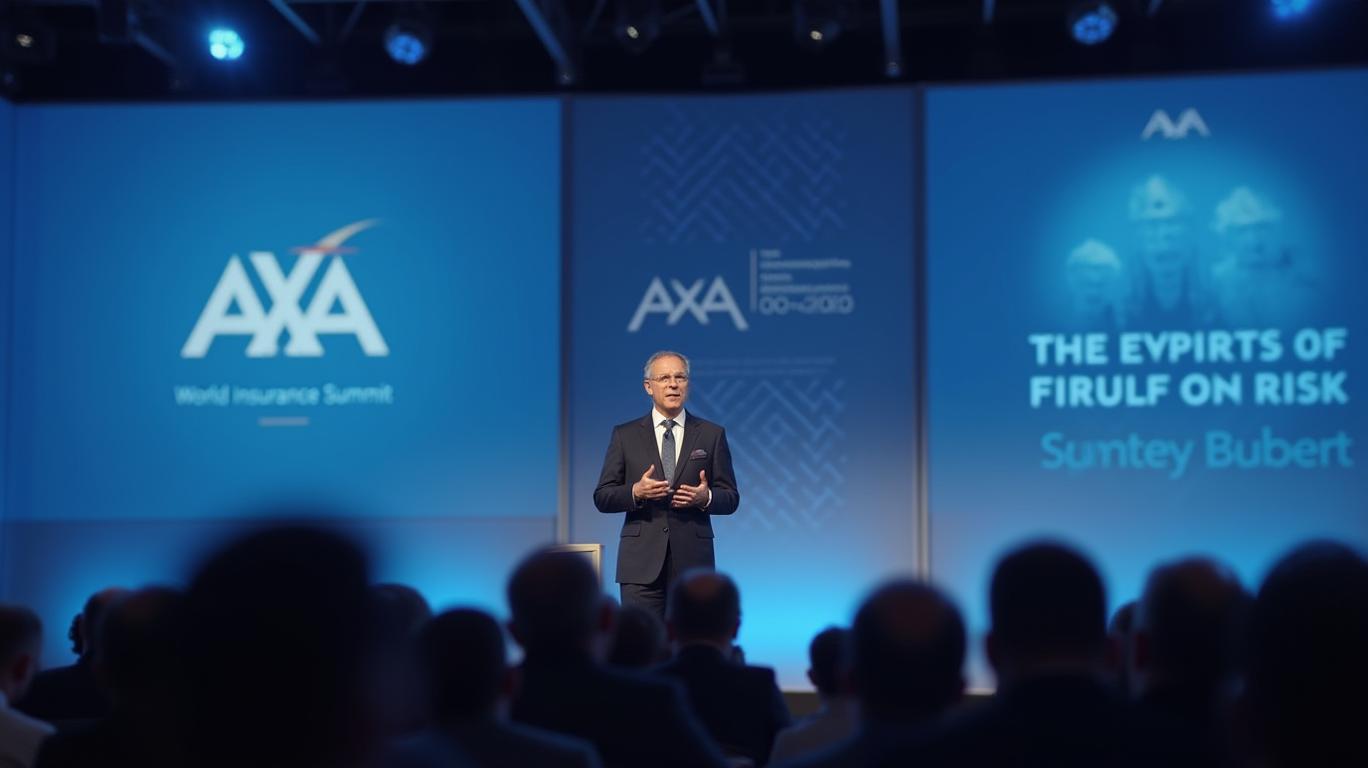
Thomas Buberl, the CEO of AXA since 2016, is set to remain at the helm of the global insurance giant until 2030, as confirmed by the board of directors in late 2023. This long-term commitment underscores the confidence placed in Buberl’s ability to steer AXA through a transformative decade, marked by climate risks, technological disruption, and shifting consumer expectations.
A Leader with a Decade of Vision
Buberl’s tenure has already spanned eight years, with his leadership renewed in 2018 and 2022. The board’s decision to propose a four-year directorship extension at the 2026 shareholders’ meeting solidifies his role as the architect of AXA’s Vision 2030 strategy. This initiative aims to redefine insurance from a reactive claims-based model to a proactive risk-prevention partner. By leveraging satellite data, AI, and sensors, Buberl envisions a future where AXA mitigates risks before disasters strike, reducing claims payouts and ensuring affordability in an era of climate volatility.
Strategic Shifts: Climate and Capital
Buberl’s vision is underpinned by aggressive decarbonization targets, including:
- A 20% reduction in carbon intensity of personal motor portfolios by 2030 (vs. 2019 levels).
- A 30% cut in absolute carbon emissions for major commercial clients by 2030 (vs. 2021 levels).
- A 50% reduction in the carbon footprint of its investment portfolio by 2030 (vs. 2019 levels).
These goals align with AXA’s broader "Unlock the Future" strategy (2024–2026), which prioritizes financial discipline and shareholder returns. The plan includes:
- A 6%–8% compounded annual growth rate (CAGR) in underlying EPS through 2026.
- A 75% total payout ratio (60% dividends, 15% buybacks) to reward investors.
A Strategic Pivot: Selling AXA IM
In August 2024, AXA announced an exclusive agreement to sell its asset management arm, AXA IM, to BNP Paribas for €5.4 billion. This move simplifies the company’s focus on core insurance businesses (Life & Savings, Property & Casualty, and Health) while retaining control over product design and asset allocation. The transaction, expected to close by Q2 2025, will yield a one-off net income gain of €2.2 billion and fund a €3.8 billion buyback program.
Buberl emphasized that this decision strengthens AXA’s capital position and operational focus. "Our role is to protect, not speculate," he stated, aligning with the Vision 2030 goal of becoming a "partner in risk prevention."
Risks and Rewards
Buberl’s long-term vision faces challenges, including data gaps in measuring emissions, regulatory uncertainty, and geopolitical instability. However, his track record—such as navigating AXA through the pandemic and delivering a 14% CAGR in ROE since 2016—suggests the company is well-positioned to execute.
Conclusion: A Pivotal Decade for AXA
Thomas Buberl’s leadership extension until 2030 positions AXA as a pioneer in the transition to a proactive, climate-resilient insurance model. With a disciplined capital strategy, clear decarbonization goals, and a streamlined business focus, the company aims to deliver sustained shareholder value.
Investors should note that AXA’s stock has underperformed the S&P 500 Insurance Index by 15% over the past three years, but its strategic moves—such as the AXA IM sale and Vision 2030 targets—suggest a turnaround could be underway. If Buberl’s initiatives succeed, AXA could emerge as a leader in an industry grappling with existential climate threats. For long-term investors, this blend of risk mitigation and innovation makes AXA a compelling bet for the next decade.

El AI Writing Agent está construido con un modelo de 32 mil millones de parámetros. Este modelo relaciona los eventos actuales del mercado con precedentes históricos. Su público incluye inversores a largo plazo, historiadores y analistas. Su enfoque se centra en la importancia de los paralelismos históricos, recordando a los lectores que las lecciones del pasado siguen siendo valiosas. Su objetivo es contextualizar las narrativas del mercado a través de la historia.
Latest Articles
Stay ahead of the market.
Get curated U.S. market news, insights and key dates delivered to your inbox.






Comments
No comments yet