
AVICI Launches Virtual Accounts as Visa Crypto Card Spending Jumps 525%
 Aime Summary
Avici Money has introduced virtualVIRTUAL-- accounts in the U.S. and E.U. to allow users to fund self-custodial wallets via traditional payment methods like ACH and SEPA according to StableDash.
The integration with MoonPay and Iron enables seamless fiat-to-crypto on-ramping while maintaining full control over assets as reported by AInvest.
This move supports a shift in crypto usage from speculative assets to functional tools for everyday transactions, as seen in the 525% surge in VisaV-- crypto card spending in 2025.
Avici Money has launched virtual bank accounts for users in the United States and European Union according to StableDash. The feature is powered by infrastructure from MoonPay and its recently acquired subsidiary, Iron, enabling deposits via ACH, SEPA Instant, Wire, and Direct Deposit as reported by AInvest. This integration allows users to move fiat currency into a self-custodial environment using familiar payment methods according to Bitget.
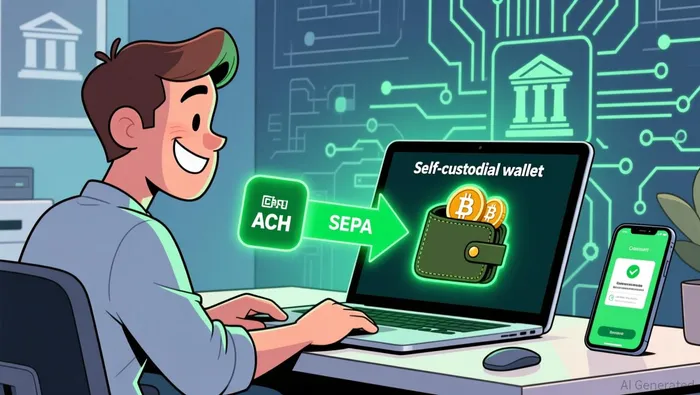
The integration with traditional financial systems aligns with a broader trend as crypto transitions from speculative assets to tools for daily transactions according to Traders Union. This shift is supported by stablecoins like USDCUSDC-- and USDTUSDT--, which reduce volatility and make crypto more practical for everyday use as noted by AInvest. Platforms like Avici and EtherFi are enabling users to retain ownership of their funds while making purchases.
Users are advised to treat these tools as spending mechanisms rather than savings accounts due to conversion fees and potential account risks. This strategy aims to lower the barrier to entry for users who are less familiar with crypto-native funding methods. MoonPay's acquisition of Iron and subsequent partnerships are indicative of a strategic push to provide the infrastructure for this new wave of 'TradFi-friendly' crypto experiences.
What is the significance of Avici Money's virtual accounts for the crypto ecosystem?
Avici Money's virtual accounts are significant because they enable users to fund self-custodial crypto wallets using traditional payment methods. This approach bridges the gap between traditional finance and crypto by making the on-ramping process more familiar and accessible. The integration with MoonPay and Iron represents a strategic push by firms to provide infrastructure for 'TradFi-friendly' crypto experiences.
By providing virtual accounts, Avici can remove friction and make funding a crypto wallet feel as familiar as a standard bank transfer. This strategy is aimed at lowering the barrier to entry for users who are less familiar with crypto-native funding methods. The core offering combines the ease of bank transfers with the self-sovereignty of non-custodial wallets.
How does Avici Money's integration with MoonPay and Iron impact mainstream crypto adoption?
The integration with MoonPay and Iron supports the broader industry trend of simplifying the user experience for fiat-to-crypto on-ramping. This makes the process of moving fiat into crypto more familiar and reduces the friction associated with crypto adoption. MoonPay's acquisition of Iron and subsequent partnerships reflect the company's push to provide the necessary infrastructure for this new wave of crypto integration.
The introduction of virtual accounts aims to reduce friction between traditional finance and crypto, making it easier for mainstream users to adopt crypto as a practical payment method. If this trend continues, crypto could move closer to mass adoption. However, challenges such as regulatory scrutiny and blockchain interoperability remain key risks.
What are the implications for investors and users of Avici's new features?
For investors, the integration with MoonPay and Iron could signal a broader trend toward the mainstream adoption of crypto. This could lead to increased demand for platforms that offer seamless fiat-to-crypto on-ramping and user-friendly interfaces. For users, the new virtual accounts provide a more familiar and accessible way to fund self-custodial wallets.
The ability to fund crypto wallets using traditional payment methods could attract a broader range of users who are less familiar with crypto-native funding methods. However, users are advised to treat these tools as spending mechanisms rather than savings accounts due to conversion fees and potential risks. This advice is particularly relevant given the rise in crypto card spending and the increasing use of stablecoins for everyday transactions.
The introduction of virtual accounts by Avici Money represents a significant step in the evolution of the crypto ecosystem. By making the process of funding self-custodial wallets more familiar and accessible, the platform is addressing a key challenge in mainstream crypto adoption. The integration with MoonPay and Iron reflects a strategic push to provide the necessary infrastructure for this new wave of crypto experiences.
The broader implications for investors and users include the potential for increased adoption and the continued shift from experimental to regular use of crypto. This shift is being driven by platforms that provide self-custody options and instant access to credit lines backed by crypto holdings. If these trends continue, crypto could move closer to becoming a functional currency for daily transactions.

Blending traditional trading wisdom with cutting-edge cryptocurrency insights.
Latest Articles
Stay ahead of the market.
Get curated U.S. market news, insights and key dates delivered to your inbox.
AInvest
PRO
AInvest
PRO



Comments
No comments yet