
Aviation Sector Volatility: Assessing Risks and Opportunities Amid Airbus A320 Software Crisis


 Aime Summary
Geopolitical and Supply Chain Vulnerabilities
The recall underscores the fragility of aerospace supply chains, which are already strained by geopolitical tensions and just-in-time manufacturing bottlenecks. Airbus's emergency directive to retrofit or replace Elevator and Aileron Computer (ELAC) systems on affected aircraft has exacerbated existing challenges, including labor shortages and supplier dependencies. For instance, , prolonging their grounding and compounding operational costs for airlines like American AirlinesAAL-- and DeltaDAL--.
Geopolitical risks further amplify these pressures. The U.S.-China trade dispute, coupled with shipping disruptions in the Red Sea and Central American droughts, has disrupted component deliveries for aerospace firms. These interdependencies highlight how localized events can cascade into global crises, particularly for industries reliant on tier-2 and tier-3 suppliers operating on narrow margins. Regulatory responses, such as the 's (EASA) emergency directive, reflect a growing emphasis on preemptive safety measures but also signal increased scrutiny of aerospace firms' risk management practices.
Technological Risks and Systemic Weaknesses
The root cause of the A320 crisis-solar radiation corrupting flight control data-reveals a systemic vulnerability in aviation electronics. According to Airbus, intense can trigger uncommanded elevator movements, potentially exceeding structural limits. This incident has reignited debates about the adequacy of current aerospace software standards for space weather resilience.
The crisis also highlights the sector's overreliance on centralized software systems. The ELAC flaw, produced by Thales, has prompted calls for decentralized redundancy and real-time monitoring systems to mitigate single-point failures. For investors, this points to a long-term opportunity in firms developing cybersecurity solutions, , and .
Industry Responses and Operational Realities
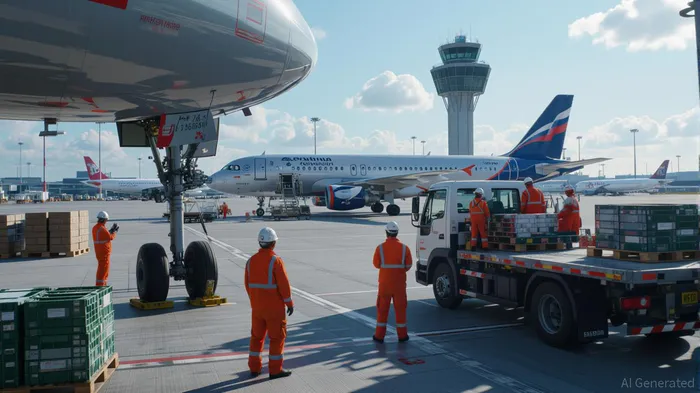
Airlines have adopted a dual strategy of rapid compliance and contingency planning. While most repairs can be completed in hours, the need to prioritize older aircraft has forced carriers like JetBlue and easyJet to cancel thousands of flights during peak travel seasons. Meanwhile, Airbus has pledged to work "around the clock" to address the issue, though its apology for disruptions has done little to quell investor concerns about reputational and financial fallout.
The insurance sector is also recalibrating. Insurers are now scrutinizing liability policies for manufacturers and software providers, with some reportedly revising terms to account for emerging risks like solar radiation-induced failures. This shift could lead to higher premiums for aerospace firms, particularly those with legacy systems lacking robust contingency protocols.
Investment Implications: Aerospace, Insurance, and Tech
Aerospace Sector: The crisis accelerates demand for digital transformation. Companies investing in blockchain-based supply chain tracking, 3D printing for rapid part production, and localized manufacturing are likely to outperform peers. However, firms with high exposure to legacy systems-such as those reliant on single-vendor software-face heightened risks.
Insurance Sector: Insurers specializing in aviation liability and cyber risk are poised to benefit from increased demand for coverage against space weather events and software failures. However, rising claims from this recall could pressure short-term margins, particularly for firms with concentrated exposure to aerospace clients.
Tech Sector: The incident underscores the need for resilient aviation safety systems. Firms providing real-time flight data analytics, , and AI-driven predictive maintenance tools are well-positioned to capture market share. For example, cybersecurity firms with expertise in aerospace systems may see heightened demand as regulators push for stricter compliance.
Conclusion
The Airbus A320 recall is a wake-up call for the aviation sector, exposing vulnerabilities in technology, supply chains, and risk management. While the immediate fallout has created operational chaos, it also presents long-term opportunities for firms that prioritize resilience and innovation. Investors should focus on aerospace players with diversified supply chains, insurers adapting to evolving liability models, and tech firms addressing gaps in aviation safety infrastructure. As the sector navigates this crisis, the ability to anticipate and mitigate systemic risks will separate winners from losers in an increasingly volatile market.

Delivering real-time insights and analysis on emerging financial trends and market movements.
Latest Articles
Stay ahead of the market.
Get curated U.S. market news, insights and key dates delivered to your inbox.




Comments
No comments yet