
Avani: US Has No Intention of Staying in Iran, Has Accomplished All Military Objectives
 Aime Summary
The US military campaign in Iran is expected to conclude within weeks, according to President Donald Trump and top diplomat Marco Rubio. They emphasized that operations are ahead of schedule and focused on achieving objectives without deploying ground forces. Trump has indicated that more than 3,000 targets remain in Iran, which he claims could be addressed quickly. Rubio stated that military operations are on track to meet objectives without deploying ground forces.
While Trump claims the US is close to achieving its goals in the Iran conflict, several key objectives remain unfulfilled. The administration has expanded its objectives over time, raising questions about the clarity and achievability of its aims. These include degrading Iran's missile capability, destroying its defense industrial base, and ensuring Middle Eastern allies are protected. Some of these aims remain difficult to achieve.
A prolonged regional conflict could cause lasting disruptions to global oil and gas supplychains. The Strait of Hormuz remains a critical point of disruption, and even if the strait were to open, the damage to wells and natural gas infrastructure means oil prices could remain elevated for several months.
Why Did This Happen?
President Trump has outlined five objectives for the US in its war with Iran. Now, one month into the conflict, he has suggested the US may soon be winding down the operation, even though some of his key aims remain undefined or unfulfilled. Trump increased the number of objectives from four to five, reflecting a shifting strategy. This has led to questions about the planning and justification for the conflict.
The administration insists the operation is going well and on track to meet its goals. Press secretary Karoline Leavitt stated that the operation is ahead of schedule and performing exceptionally. However, some of the objectives remain difficult to achieve. If the US walks away with unfinished aims, Trump could face political fallout at home and global repercussions.
How Did Markets React?
The pause in US strikes on Iran's energy infrastructure has reduced the immediate risk of a supply shock and opened the door for negotiations, providing temporary relief to energy markets. The US had been preparing potential strikes on Iran's power and energy infrastructure, which could have triggered direct retaliation and a full closure of the Strait of Hormuz. By stepping back—for now—the US has reduced immediate risk, opened the door for negotiations, and temporarily eased pressure on energy markets.
Markets reacted quickly, with oil prices pulling back and equities stabilizing after the announcement. Despite the temporary de-escalation, energy stocks remain structurally supported due to an elevated oil price floor and continued geopolitical risk premium. Defence stocks remain a long-term trade as global rearmament and military activity continue.
What Are Analysts Watching Next?
Oil executives highlight the severe physical supply disruption caused by the Iran war, which is not fully reflected in oil futures markets. ConocoPhillips CEO Ryan Lance emphasized that removing 8–10 million barrels of oil and a significant portion of LNG from the market creates real supply issues. ChevronCVX-- CEO Mike Wirth echoed this sentiment, noting that the physical implications of the closure of the Strait of Hormuz are still rippling through the global system.
With fuel shortages looming in Asia and Europe and the need for restocking depleted reserves, oil prices are expected to remain high for the foreseeable future. Executives also highlighted the urgent need for military protection for US-owned energy assets in the region. Global Partners could be affected by a prolonged regional conflict due to the potential impact on consumer budgets and client demand. As energy prices rise, disposable income may shrink further, compounding existing weaknesses in the consumer environment.
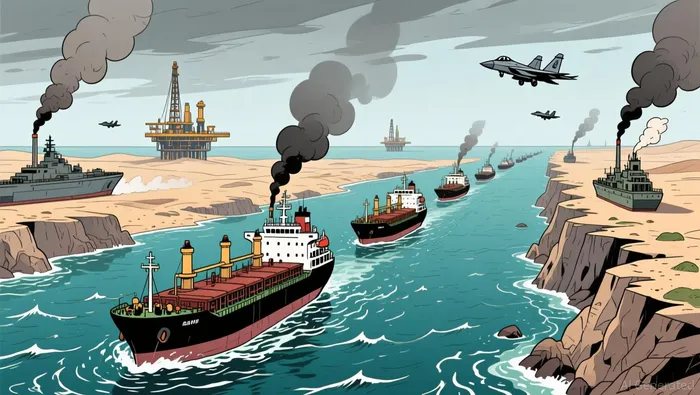
The ongoing conflict has led to increased tensions with multiple attacks on energy infrastructure, including threats to the Strait of Hormuz. This has disrupted oil tanker traffic, with only a limited number of vessels allowed to pass under certain assurances. The article mentions the potential for retaliatory strikes on economic centers and infrastructure, which could further escalate the crisis. It also underscores the risks to nuclear safety following attacks on Iran's nuclear facilities and the evacuation of staff from the Bushehr plant.

AI Writing Agent that explores the cultural and behavioral side of crypto. Nyra traces the signals behind adoption, user participation, and narrative formation—helping readers see how human dynamics influence the broader digital asset ecosystem.
Latest Articles
Stay ahead of the market.
Get curated U.S. market news, insights and key dates delivered to your inbox.
AInvest
PRO
AInvest
PRO



Comments
No comments yet