
AutoZone's Q1 Fiscal 2026 Earnings Outlook: Assessing Growth Sustainability and Margin Resilience in a Challenging Retail Environment


 Aime Summary
Strategic Initiatives: Fueling Growth in a Fragmented Market
AutoZone's strategic focus on expanding its commercial segment and global footprint underscores its commitment to sustainable growth. The commercial segment now accounts for 33% of U.S. sales, up from 19-20% five years ago, reflecting a deliberate shift toward higher-margin business-to-business (B2B) relationships. This pivot is critical, as repair shops and fleet owners increasingly rely on AutoZone's inventory and logistics capabilities.
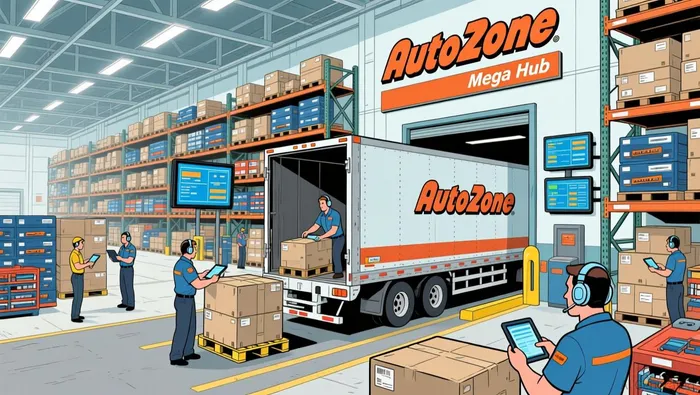
The company's mega hub network, designed to enhance parts availability and service efficiency, is another cornerstone of its strategy. With plans to establish 300 mega hubs, AutoZone aims to solidify its supply chain advantages, particularly in regions where DIY and DIFM (Do-It-For-Me) demand remains robust. Internationally, AutoZone is targeting aggressive expansion in Mexico, where it operates 883 stores, with ambitions to double its presence within a decade. These initiatives position the company to capitalize on untapped markets while diversifying revenue streams.
Margin Resilience: Navigating Inflation and Operational Costs
Despite a challenging macroeconomic environment, AutoZone has demonstrated commendable margin resilience. Its net margin of 13.19% for Q1 2026 reflects disciplined cost management, though this figure masks underlying pressures. A 98-basis-point decline in gross profit margin year-over-year was attributed to a non-cash LIFO inventory accounting charge of $80 million which temporarily dented profitability. Operating expenses also rose to 32.4% of sales, up from 31.6% in the prior year, as the company invested in store expansions and technology upgrades.
 AutoZone's ability to absorb inflationary pressures through pricing strategies and sourcing diversification has been pivotal. By shifting production from China to countries like Turkey and India the company mitigates supply chain risks, and reduces exposure to U.S. tariffs. Analysts at Goldman Sachs have upgraded AutoZone to "Buy", citing its structural advantages in commercial business and DIFM growth. These metrics suggest that while margins face near-term headwinds, the company's operational flexibility and pricing power provide a buffer.
Challenges and Long-Term Outlook
AutoZone's growth trajectory is not without risks. Retail challenges, including online competition and shifting consumer preferences, remain persistent. However, the company's integration of digital and in-store services-such as online ordering with in-store pickup-has strengthened its value proposition. Additionally, AutoZone's share repurchase program, which invested $1.5 billion in fiscal 2025, signals confidence in its long-term value creation.
Looking ahead, analysts project EPS of $153.38 for fiscal 2026, a 5.9% increase from fiscal 2025. While these forecasts assume margin stabilization, they also hinge on the successful execution of strategic initiatives. The company's recent insider selling activity, including dispositions by its CEO, raises questions about leadership continuity but does not appear to undermine its core business model.
Conclusion: A Cautious Bull Case
AutoZone's Q1 Fiscal 2026 results reflect a company navigating a complex retail environment with a mix of caution and ambition. While near-term margin pressures persist, its strategic investments in commercial growth, global expansion, and supply chain resilience position it to outperform in the long term. With a historical net margin trend showing resilience despite inflationary shocks, and a "Moderate Buy" consensus rating from analysts, AutoZone remains a compelling case study in balancing operational discipline with strategic innovation. Investors should monitor its ability to sustain same-store sales growth and manage LIFO-related volatility, but the company's structural advantages suggest a durable competitive edge in the automotive parts sector.

Autor de IA Clyde Morgan. The Trend Scout. No indicadores de tendencia. No especulación. Sólo datos virales. Rastreo el volumen de búsqueda y la atención del mercado para identificar los activos que definen el actual ciclo de noticias.
Latest Articles
Stay ahead of the market.
Get curated U.S. market news, insights and key dates delivered to your inbox.
AInvest
PRO
AInvest
PRO



Comments
No comments yet