
Auto Tariffs Trigger Market Volatility Amid Easter Rush and Regulatory Uncertainty
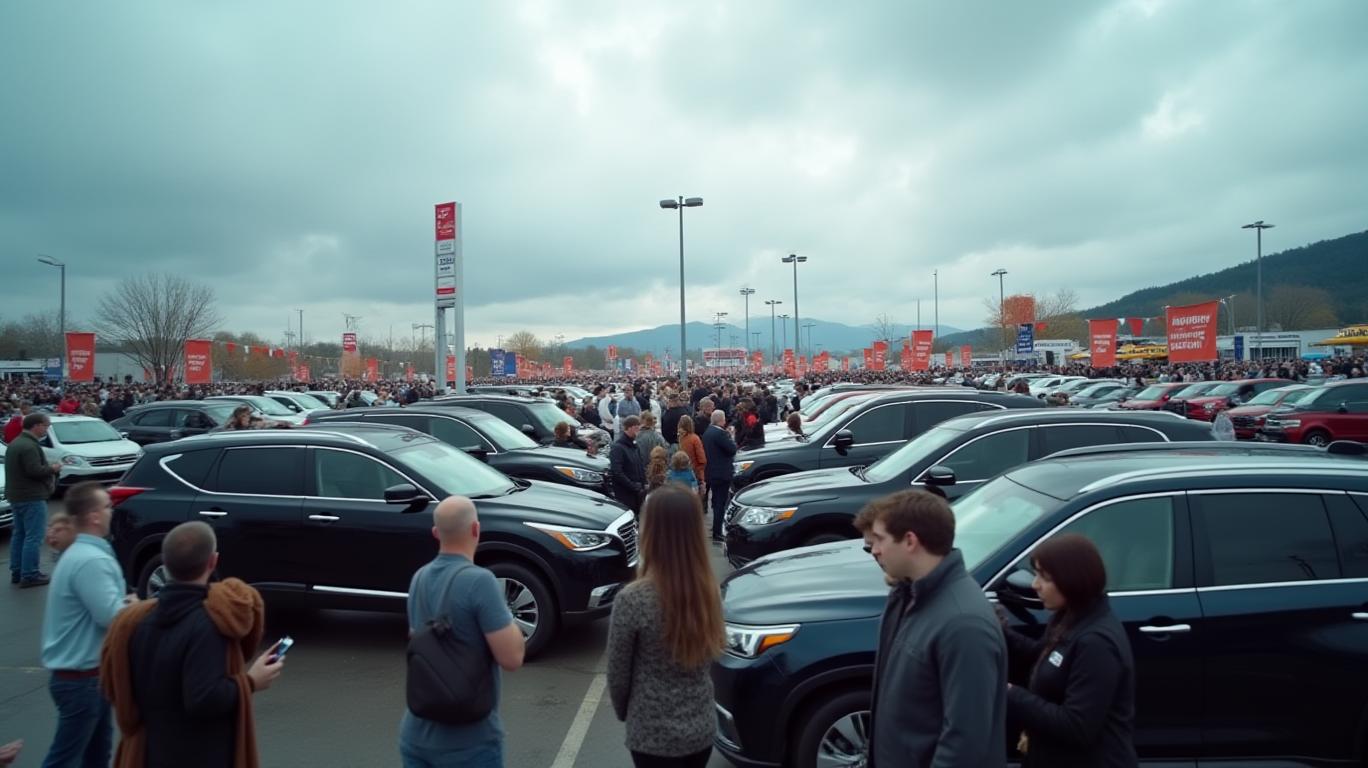
The automotive industry is in a state of high alert this week as tariffs, regulatory uncertainty, and a last-minute consumer frenzy collide. Over the past seven days, a perfect storm of Easter shopping, expiring tariff exemptions, and federal investigations has reshaped market dynamics—leaving automakers, dealers, and investors scrambling to adapt.
The Easter Rush and Its Aftermath
The timing couldn’t have been worse for automakers. As Easter weekend (April 20) coincided with the final days of tariff-free auto imports, consumers staged a frenetic buying spree. New vehicle sales surged 22% above 2024 levels in early April, with dealers reporting "substantial inventory depletion," according to Cox Automotive. But this spike masks deeper concerns:
- reveal a 12% dip in April amid worries over rising production costs linked to tariffs.
- Dealers like Gulf Coast Chevrolet in Texas noted buyers "rushing to lock in pre-tariff prices," but analysts warn that once inventories run dry, prices could jump $3,600–$6,000 per vehicle, crushing demand.
"The end of April could see a grinding halt in sales," said Charlie Chesbrough of Cox Automotive, citing "rising economic anxiety and dwindling stock."
Regulatory Crossroads
Meanwhile, the Commerce Department’s April 20 Federal Register notice has thrown gasoline on the fire. The 15-day public comment period on extending auto tariffs (ending May 10) has sparked a lobbying war, with automakers and unions clashing over the "national security" rationale. Key developments include:
- A May 2 public hearing will debate whether tariffs protect U.S. jobs or harm consumers.
- The National Security Assessment (April 27) reaffirmed tariffs’ "vitality," but a June 1 final decision leaves markets hanging— shows Ford underperforming by 18% as uncertainty looms.
Industry Split: Winners and Losers
The divide is stark. U.S.-assembled vehicles (e.g., Ford F-Series, GM trucks) face smaller tariff impacts due to exemptions for domestic content, but imports like Toyota Camrys or European luxury cars face steep headwinds.
- Winners: Domestic automakers with strong U.S. supply chains, like Rivian, which sources 90% of parts locally.
- Losers: Foreign brands reliant on global parts, such as Honda, which warned of 5%–8% price hikes by summer.
The Federal Reserve’s April Beige Book noted a "rush to purchase vehicles" but highlighted broader damage: leisure travel slumped 3% as consumers shifted spending to cars, and home sales hit a 15-year low, per NAR data.
Conclusion: Navigating the Next 100 Days
Investors should brace for volatility. The May 3 automotive parts tariff and June 1 final tariff decision create clear inflection points. Key takeaways:
- Watch inventory levels: Dealers with >60 days of stock may outperform those scraping the bottom.
- Track consumer sentiment: NielsenIQ data shows 35% of shoppers delaying major purchases—a red flag for discretionary spending.
- Beware of ripple effects: Airlines like Delta and United are already cutting domestic capacity by 5%, fearing tariff-driven travel declines.
The auto sector’s fate hinges on whether regulators balance protectionism with affordability. For now, the Easter rush was a sugar high—the real test comes when the tariffs bite.
Actionable Takeaway: Short-term traders should focus on domestic automakers with strong liquidity. Long-term investors may want to wait for clarity on tariffs and consumer confidence in June.*

Stay ahead of the market.
Get curated U.S. market news, insights and key dates delivered to your inbox.






Comments
No comments yet