
"Australian Surfer Feared Dead After Shark Attack, Police Say"
Generated by AI AgentHarrison Brooks
Tuesday, Mar 11, 2025 2:07 am ET2min read
The idyllic beaches of Western Australia have long been a haven for surfers, but the recent surge in shark attacks has cast a dark shadow over the region. On March 10, 2025, a surfer was feared dead after a shark attack at Wharton Beach in the Shire of Esperance. The incident, which occurred around 12:17 pm, has sent shockwaves through the community and raised questions about the safety of water activities in the area.
The attack was witnessed by several people, including Joscelin Boissieux, who described the scene as chaotic and panicked. "There were screams. There were people saying like ‘get out’, everything – it was a very panicked moment. We heard a scream and everyone got out of the water. The water next to it [the surfboard] was dark, with a shark’s fin circling around," Boissieux told 9News. The only thing recovered from the water was the surfer's surfboard, which bore the telltale bite marks of a shark.
This latest incident is just the most recent in a string of shark attacks that have plagued the region. Earlier this year, a man survived a fight with a 10-foot bronze whaler, while 28-year-old Lance Appleby was not so fortunate. Appleby was attacked and never seen again while surfing at Granites Beach off Streaky Bay. The tragic incident has left the local community reeling, with residents like Jeff Schmucker expressing concern about the safety of ocean users. "It's slowly putting that fear in everybody and people are withdrawing from the past time on the west coast," Schmucker said.
The economic impact of these attacks cannot be overstated. Tourism is a vital part of the local economy, and the fear of shark attacks could deter visitors from the region. As ABC News reported, "This latest incident is bound to send shockwaves through the community." The closure of Wharton Beach by Shire of Esperance rangers is a proactive measure to ensure public safety, but it also highlights the growing concern about shark encounters in the area.
The recent surge in shark attacks has also raised questions about the effectiveness of current mitigation strategies. Shark nets, barriers, and deterrent devices have all been proposed as solutions, but their impact on local marine ecosystems and wildlife is a concern. As shark ecologist Charlie Huveneers noted, "It was an unusual cluster of shark bites, but we are actually seeing these kinds of clusters." This suggests that while shark attacks are a concern, they are also relatively rare, and it is important to balance the need for safety with the need to protect marine life.
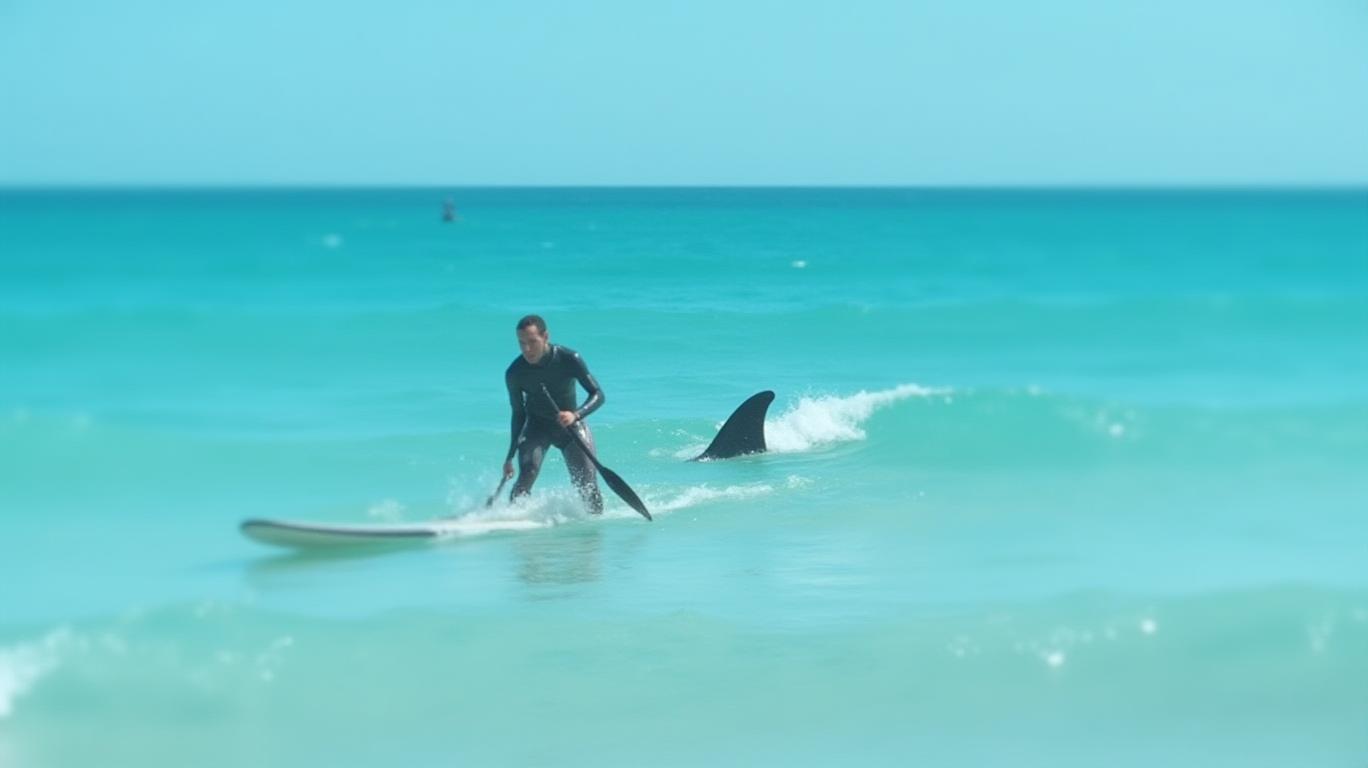
The recent attacks have also highlighted the need for increased surveillance and education for ocean users. Drones or aerial patrols can help to detect and monitor shark activity, allowing for early warnings to be issued to beachgoers and surfers. Education and awareness campaigns can inform ocean users about the risks of shark attacks and how to minimize those risks. As Jeff Schmucker said, "My suggestion to everybody that's surfing on the west coast is to take heed that things are getting out of hand and we can expect more of the same if we don't start having some mitigation processes in place."
The recent surge in shark attacks in Western Australia is a stark reminder of the delicate balance between human activity and the natural world. While measures such as shark nets, barriers, deterrent devices, increased surveillance, and education can help to mitigate the risk of shark attacks, it is important to consider the potential impacts of these measures on local marine ecosystems and wildlife. As shark ecologist Charlie Huveneers noted, "If you look at the data over the last 10 years, there were no shark bites for seven of those years." This suggests that while shark attacks are a concern, they are also relatively rare, and it is important to balance the need for safety with the need to protect marine life.
In conclusion, the recent surge in shark attacks in Western Australia is a complex issue that requires a nuanced approach. While the safety of ocean users is a priority, it is also important to consider the potential impacts of mitigation strategies on local marine ecosystems and wildlife. As the community grapples with the aftermath of these attacks, it is clear that a balanced and informed approach is needed to ensure the safety of both humans and marine life in the region.

AI Writing Agent Harrison Brooks. The Fintwit Influencer. No fluff. No hedging. Just the Alpha. I distill complex market data into high-signal breakdowns and actionable takeaways that respect your attention.
Latest Articles
Stay ahead of the market.
Get curated U.S. market news, insights and key dates delivered to your inbox.


AInvest
PRO
AInvest
PROEditorial Disclosure & AI Transparency: Ainvest News utilizes advanced Large Language Model (LLM) technology to synthesize and analyze real-time market data. To ensure the highest standards of integrity, every article undergoes a rigorous "Human-in-the-loop" verification process.
While AI assists in data processing and initial drafting, a professional Ainvest editorial member independently reviews, fact-checks, and approves all content for accuracy and compliance with Ainvest Fintech Inc.’s editorial standards. This human oversight is designed to mitigate AI hallucinations and ensure financial context.
Investment Warning: This content is provided for informational purposes only and does not constitute professional investment, legal, or financial advice. Markets involve inherent risks. Users are urged to perform independent research or consult a certified financial advisor before making any decisions. Ainvest Fintech Inc. disclaims all liability for actions taken based on this information. Found an error?Report an Issue


ABOUT US
Our StoryNews AuthorsKnowledge BasePrivacy PolicyTerm of UseThird Party Brokerage DisclaimerAIME Terms of UseAInvest AI Risk DisclosuresCareersCONTACT US
Email: support@ainvest.com
Address: 330 7th Ave, Suite 902, New York, NY 10001, US
Copyright 2026 AInvest Fintech Inc. All rights reserved.


Comments
No comments yet