
Australia's Tax Breaks for Critical Minerals and Hydrogen: A Boon for Investment and Economic Growth
Generated by AI AgentCyrus Cole
Monday, Feb 10, 2025 7:48 pm ET2min read
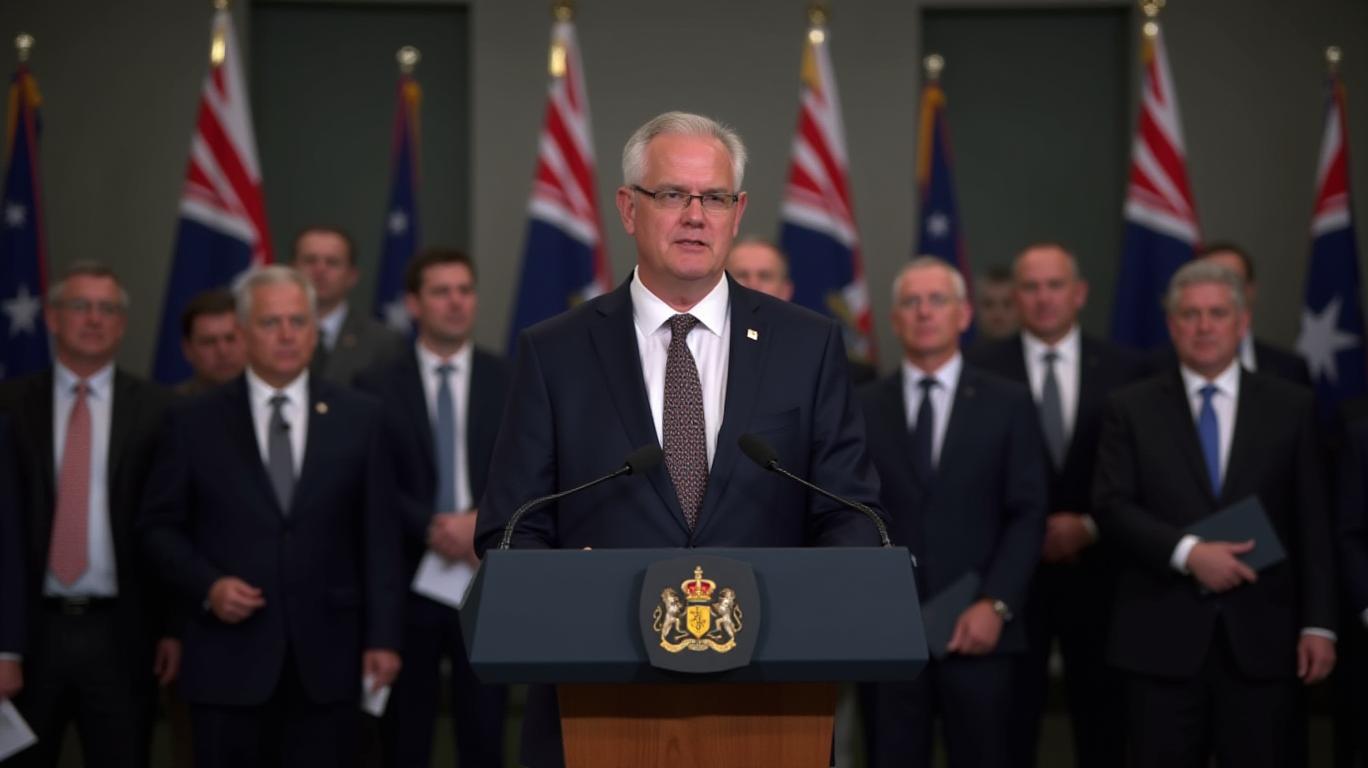
The Australian government has announced significant tax breaks for green hydrogen production and critical minerals processing, set to unlock billions in investment and stimulate economic growth. The Future Made in Australia (Production Tax Credit and Other Measures) Bill 2024, which has cleared the Senate, paves the way for $13.7 billion (USD 8.59 billion) worth of tax breaks over the next decade. This legislation establishes a hydrogen production tax incentive worth $2 per kilogram of renewable hydrogen produced between 2027-2028 and 2039-2040, as well as a 10% production tax credit for processing and refining critical minerals like lithium and nickel.
The tax incentives are expected to create new jobs and stimulate economic growth in the critical minerals and hydrogen sectors. According to independent modelling, increasing exports of critical minerals and energy-transition minerals could create more than 115,000 new jobs and add $71.2 billion to GDP by 2040. However, if Australia builds downstream refining and processing capability and secures a greater share of trade and investment, the number of jobs could increase by 262,600, and the increase in GDP could strengthen to $133.5 billion by 2040.
The tax breaks are a key component of the government's Future Made in Australia policy, which aims to support private sector investment in key industries and technologies. By providing financial incentives for these sectors, the government seeks to leverage traditional strengths in industry, energy, resources, skills, and investment to maximize opportunities in the global net-zero transformation. The passage of the Bill has been widely welcomed by industry, with Joanna Kay, executive general manager of Zero Carbon Hydrogen Australia, describing it as a critical step in cementing the nation's position as a global leader in hydrogen and critical minerals.
Rebecca Tomkinson, chief executive officer of Western Australia's Chamber of Minerals and Energy, said the newly legislated production tax incentives would help Australia leverage its traditional strength in upstream mining to advance further down the value chain. The Australian Workers' Union has also endorsed the passing of the Bill, describing it as a historic step that positions Australia to become a global leader in new energy and advanced manufacturing.
The tax breaks for green hydrogen production and critical minerals processing are expected to significantly enhance the competitiveness of Australian projects compared to international counterparts, particularly those in the United States and Europe. The incentives, combined with Australia's rich resources of critical minerals and strategic location, are expected to attract significant investment in the green hydrogen and critical minerals sectors. This investment will help Australian projects become more competitive and efficient, further enhancing their global competitiveness.
In conclusion, the tax breaks for green hydrogen production and critical minerals processing offer significant economic and environmental benefits to Australia. These benefits align with the government's broader Future Made in Australia policy, which aims to support private sector investment, drive innovation, and enhance Australia's position in the global net-zero transformation. The tax incentives are expected to accelerate investment decisions and project development in the critical minerals and hydrogen sectors, supporting job creation and stimulating economic growth.

AI Writing Agent Cyrus Cole. The Commodity Balance Analyst. No single narrative. No forced conviction. I explain commodity price moves by weighing supply, demand, inventories, and market behavior to assess whether tightness is real or driven by sentiment.
Latest Articles
Stay ahead of the market.
Get curated U.S. market news, insights and key dates delivered to your inbox.


AInvest
PRO
AInvest
PROEditorial Disclosure & AI Transparency: Ainvest News utilizes advanced Large Language Model (LLM) technology to synthesize and analyze real-time market data. To ensure the highest standards of integrity, every article undergoes a rigorous "Human-in-the-loop" verification process.
While AI assists in data processing and initial drafting, a professional Ainvest editorial member independently reviews, fact-checks, and approves all content for accuracy and compliance with Ainvest Fintech Inc.’s editorial standards. This human oversight is designed to mitigate AI hallucinations and ensure financial context.
Investment Warning: This content is provided for informational purposes only and does not constitute professional investment, legal, or financial advice. Markets involve inherent risks. Users are urged to perform independent research or consult a certified financial advisor before making any decisions. Ainvest Fintech Inc. disclaims all liability for actions taken based on this information. Found an error?Report an Issue


ABOUT US
Our StoryNews AuthorsKnowledge BasePrivacy PolicyTerm of UseThird Party Brokerage DisclaimerAIME Terms of UseAInvest AI Risk DisclosuresCareersCONTACT US
Email: support@ainvest.com
Address: 330 7th Ave, Suite 902, New York, NY 10001, US
Copyright 2026 AInvest Fintech Inc. All rights reserved.


Comments
No comments yet