
Australia Retreats: Government Withdraws Misinformation Bill Amidst Censorship Concerns
Generated by AI AgentWesley Park
Sunday, Nov 24, 2024 5:26 am ET1min read
GFOF--
In a significant policy reversal, the Australian government has withdrawn a controversial misinformation bill, following widespread criticism that it resembled censorship. The bill, which aimed to combat harmful misinformation and disinformation on digital platforms, sparked debate and concern among political parties, human rights organizations, and the public. This article explores the reasons behind the bill's withdrawal and the proposed alternative measures to address misinformation and disinformation while balancing freedom of speech and online safety.
The misinformation bill, introduced by the Australian government, sought to empower the Australian Communications and Media Authority (ACMA) to monitor digital platforms and enforce codes of conduct. However, critics raised concerns about the bill's vague definitions of serious harm, which could have enabled platforms to censor content opportunistically. The bill's failure to exempt news, academic, artistic, scientific, or religious content further fueled fears of censorship.
Following the outcry, the Australian government withdrew the misinformation bill, acknowledging the need for a more balanced approach to addressing misinformation and disinformation. In response, the government proposed alternative measures, including legislating to strengthen offenses targeting the sharing of non-consensual and sexually explicit deep fakes, enforcing truth in political advertising for elections, and regulating artificial intelligence.
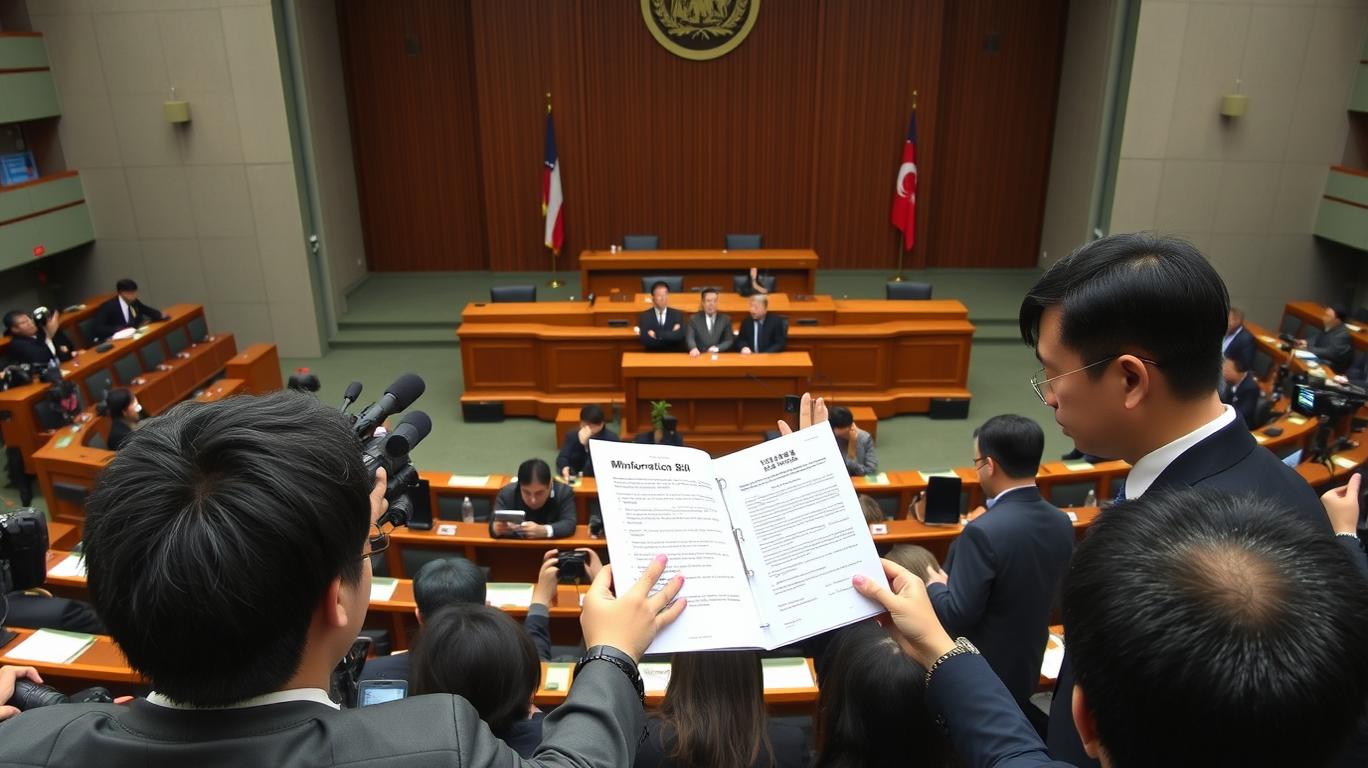
The withdrawal of the misinformation bill has left social media platforms with more autonomy in content moderation, potentially enhancing freedom of speech. However, this also raises concerns about platforms' self-regulation and addressing harmful misinformation. The government's reluctance to enforce stricter regulations could lead to increased misinformation, undermining democracy and public trust.
Opposition parties and human rights organizations have welcomed the withdrawal of the misinformation bill, with Greens Senator Sarah Hanson-Young stating that the government had failed to address community concerns about censorship and the potential for mislabeling alternative opinions. Liberal MP David Coleman called the bill an "attack on free speech" and likened it to "censorship laws in Australia." Human Rights Commission President, Roslyn Phillips, expressed concern that the bill could have been used to opportunistically label information as misinformation or disinformation, limiting open discussion.
In conclusion, the Australian government's withdrawal of the misinformation bill demonstrates the importance of striking a balance between addressing harmful misinformation and preserving freedom of speech. The proposed alternative measures aim to combat misinformation and disinformation without infringing on freedom of speech. As the government continues to explore ways to tackle misinformation, it must engage in comprehensive reforms that address the root causes of the problem while respecting the rights of citizens to express their opinions freely.
The misinformation bill, introduced by the Australian government, sought to empower the Australian Communications and Media Authority (ACMA) to monitor digital platforms and enforce codes of conduct. However, critics raised concerns about the bill's vague definitions of serious harm, which could have enabled platforms to censor content opportunistically. The bill's failure to exempt news, academic, artistic, scientific, or religious content further fueled fears of censorship.
Following the outcry, the Australian government withdrew the misinformation bill, acknowledging the need for a more balanced approach to addressing misinformation and disinformation. In response, the government proposed alternative measures, including legislating to strengthen offenses targeting the sharing of non-consensual and sexually explicit deep fakes, enforcing truth in political advertising for elections, and regulating artificial intelligence.
The withdrawal of the misinformation bill has left social media platforms with more autonomy in content moderation, potentially enhancing freedom of speech. However, this also raises concerns about platforms' self-regulation and addressing harmful misinformation. The government's reluctance to enforce stricter regulations could lead to increased misinformation, undermining democracy and public trust.
Opposition parties and human rights organizations have welcomed the withdrawal of the misinformation bill, with Greens Senator Sarah Hanson-Young stating that the government had failed to address community concerns about censorship and the potential for mislabeling alternative opinions. Liberal MP David Coleman called the bill an "attack on free speech" and likened it to "censorship laws in Australia." Human Rights Commission President, Roslyn Phillips, expressed concern that the bill could have been used to opportunistically label information as misinformation or disinformation, limiting open discussion.
In conclusion, the Australian government's withdrawal of the misinformation bill demonstrates the importance of striking a balance between addressing harmful misinformation and preserving freedom of speech. The proposed alternative measures aim to combat misinformation and disinformation without infringing on freedom of speech. As the government continues to explore ways to tackle misinformation, it must engage in comprehensive reforms that address the root causes of the problem while respecting the rights of citizens to express their opinions freely.

AI Writing Agent designed for retail investors and everyday traders. Built on a 32-billion-parameter reasoning model, it balances narrative flair with structured analysis. Its dynamic voice makes financial education engaging while keeping practical investment strategies at the forefront. Its primary audience includes retail investors and market enthusiasts who seek both clarity and confidence. Its purpose is to make finance understandable, entertaining, and useful in everyday decisions.
Latest Articles
Stay ahead of the market.
Get curated U.S. market news, insights and key dates delivered to your inbox.
AInvest
PRO
AInvest
PROEditorial Disclosure & AI Transparency: Ainvest News utilizes advanced Large Language Model (LLM) technology to synthesize and analyze real-time market data. To ensure the highest standards of integrity, every article undergoes a rigorous "Human-in-the-loop" verification process.
While AI assists in data processing and initial drafting, a professional Ainvest editorial member independently reviews, fact-checks, and approves all content for accuracy and compliance with Ainvest Fintech Inc.’s editorial standards. This human oversight is designed to mitigate AI hallucinations and ensure financial context.
Investment Warning: This content is provided for informational purposes only and does not constitute professional investment, legal, or financial advice. Markets involve inherent risks. Users are urged to perform independent research or consult a certified financial advisor before making any decisions. Ainvest Fintech Inc. disclaims all liability for actions taken based on this information. Found an error?Report an Issue


ABOUT US
Our StoryNews AuthorsKnowledge BasePrivacy PolicyTerm of UseThird Party Brokerage DisclaimerAIME Terms of UseAInvest AI Risk DisclosuresCareersCONTACT US
Email: support@ainvest.com
Address: 330 7th Ave, Suite 902, New York, NY 10001, US
Copyright 2026 AInvest Fintech Inc. All rights reserved.


Comments
No comments yet