
Australia’s Housing Approvals Plunge to 0.4, Highlighting Structural Supply Crisis
 Aime Summary
- Australia’s private housing approvals fell to 0.4 in the latest report, well below the previous reading of 1.3.
- This decline highlights ongoing challenges in new housing supply, which is still lagging behind demand.
- Analysts suggest that supply shortages, not just interest rates, are keeping housing prices elevated.
- While monetary policy and affordability are critical, structural issues in housing completions are a persistent concern.
Australia’s housing market is showing signs of structural rigidity, with private housing approvals plummeting to 0.4 in the latest data release as of 2026-02-02. This is a sharp decline from the previous reading of 1.3 and indicates that the supply of new housing is struggling to meet demand, even as borrowing costs rise and inflation pressures persist. Despite tighter lending standards and higher mortgage rates, the market is still being driven by a mismatch between existing housing stock and population needs. This dynamic is not new, but it is intensifying as policy interventions and interest rate shifts play out over time.
What the Latest Data on Private House Approvals Reveals
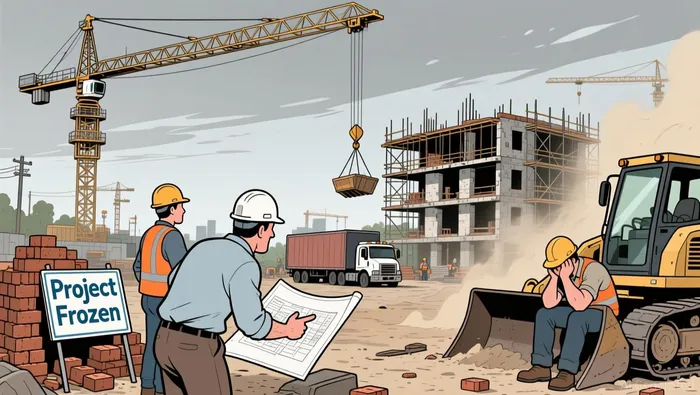
The decline in private housing approvals reflects the broader trend of a market struggling to adjust to higher borrowing costs and policy changes. While approvals are a forward-looking indicator, they have historically signaled where supply is likely to trend over the next few years. A reading of 0.4 is far below the average needed to meet long-term housing needs and suggests that the pace of new housing development remains sluggish. This is particularly concerning in a market where housing prices have already risen sixfold over the past three decades, largely driven by monetary policy and borrowing capacity rather than a physical shortage of homes.
The data also highlights regional differences, with stronger price growth observed in mid-tier cities like Perth, Brisbane, and Adelaide, while Sydney and Melbourne show signs of cooling due to increased supply and buyer choice. This divergence points to the uneven impact of policy and market conditions across the country and suggests that local demand-supply imbalances are still a key driver of housing prices.
Why Housing Approvals Matter in a High-Interest Environment
In a high-interest environment, housing approvals matter because they signal where new supply is likely to be added, which can either ease or exacerbate price pressures. With the Reserve Bank of Australia (RBA) reducing cash rates from 17% to 0.10% over the past three decades, borrowing power has increased significantly, pushing up house prices even as wage growth has only doubled. However, as borrowing costs rise again in response to inflation, affordability is becoming a more pressing issue for new buyers. This makes the pace of housing approvals all the more important in shaping long-term price trends.
The current low level of approvals suggests that housing supply may not pick up quickly enough to offset demand pressures, especially with construction delays and regulatory bottlenecks still present. This means that the housing market may remain tight for some time, with prices likely to stay elevated despite higher interest rates. This dynamic is also influencing policy responses, with government programs such as deposit guarantees and home-building grants aiming to boost supply but with a delayed effect.
What Investors Should Watch for Next in the Housing Market
Investors should closely monitor the next few months for signals of either improvement or further deterioration in housing supply. While approvals are down, it's important to note that they are just one part of the equation. The number of housing completions is a more immediate indicator of how the market is actually adjusting. If completions fail to rise in the coming quarters, it could prolong the period of elevated prices and continued demand for alternative housing solutions.
Innovative housing options, such as backyard housing and modular homes, are also emerging as potential solutions to the affordability crisis. Companies like Bunnings are tapping into this trend, offering products that cater to a growing segment of buyers who are unable to afford traditional home ownership. This shift may help moderate demand pressures in the long run, but its immediate impact on prices is uncertain.
Additionally, investors should keep an eye on the RBA's monetary policy decisions and how they interact with housing market conditions. While higher interest rates may dampen demand, they can also delay construction timelines and reduce developer activity. The key question is whether the market will see a self-correcting mechanism, or whether policy interventions will be needed to bring about a more balanced housing supply and demand dynamic.

Stay ahead of the market.
Get curated U.S. market news, insights and key dates delivered to your inbox.


AInvest
PRO
AInvest
PRO



Comments
No comments yet