
Australia's Export Prices Surge 2.1% in Q1, Iron Ore and Gold Lead the Charge
Australia’s export prices rose by 2.1% in the first quarter of 2025, marking the second consecutive quarter of growth after a 3.6% increase in Q4 2024. The rebound was fueled by surging prices for iron ore and gold, driven by Chinese economic stimulus and global demand for safe-haven assets. However, persistent declines in coal and gas prices, along with long-term structural shifts in commodity markets, underscore the need for strategic investment approaches.
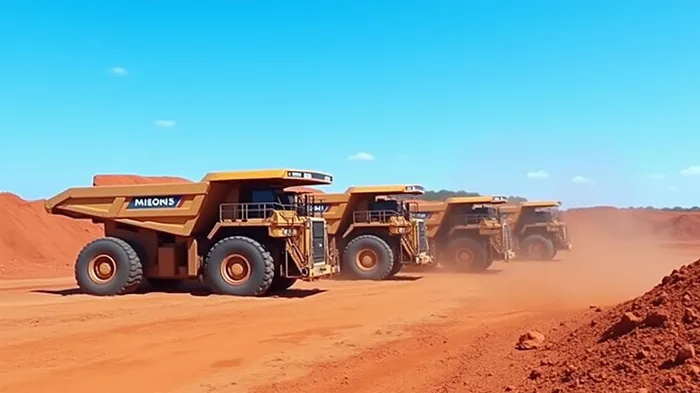
Iron Ore: A Short-Term Rally Amid Long-Term Challenges
Iron ore prices surged 5.4% in Q1, bolstered by positive economic data from China and the announcement of additional fiscal stimulus measures. Chinese steel production, a key driver of iron ore demand, appears to be stabilizing as infrastructure spending picks up. Australia’s metalliferous ores and metal scrap category—dominated by iron ore—contributed significantly to the export price rebound.
However, the Department of Industry, Science and Resources warns of a gradual decline in iron ore prices over the next three years. Projections indicate a drop from $85/metric ton in 2025 to $74/metric ton by 2027, driven by decarbonization efforts in global steel production and the potential shift toward higher-grade magnetite ores. While Australia’s new iron ore projects, such as Fortescue’s Iron Bridge and Mineral Resources’ Onslow, may delay the peak in output, investors should prepare for a long-term downward trajectory.
Gold: A Shining Safe Haven
Gold prices jumped 12.4% in Q1, with non-monetary gold exports surging 78.6% in value between November 2024 and January 2025. Central banks worldwide continued to accumulate gold reserves, leveraging it as a hedge against geopolitical instability and inflationary pressures. The metal’s safe-haven appeal has been amplified by uncertainty surrounding global monetary policies and regional conflicts.
While gold prices hit record highs in October 2024, the trend shows no signs of slowing. With central banks accounting for over 40% of global gold purchases in 2024, investors may find sustained demand for gold-backed ETFs or mining stocks like Newcrest Mining or Evolution Mining.
Declines in Coal and Gas: Structural Shifts Ahead
Offsetting gains in iron ore and gold were sharp declines in coal and gas prices. Coal prices fell 6.6% as milder winter temperatures in North Asia reduced demand for metallurgical coal. Meanwhile, natural gas prices dropped 2.5%, pressured by falling petroleum gas prices.
These declines reflect broader structural shifts. Coal’s role in global energy markets is diminishing as renewable energy adoption accelerates, while gas faces competition from cheaper alternatives. Investors should exercise caution in coal-related equities, such as Whitehaven Coal or Yancoal, unless companies demonstrate clear transition strategies to low-carbon fuels.
Annual Trends: A Mixed Picture
Despite the quarterly rebound, export prices remain under pressure on an annual basis, falling 4.7% through Q1 2025. This reflects lingering headwinds from oversupply in certain commodities and the transition to greener economies. The ABS forecasts further moderation, projecting 0.5% growth in 2026 and 0.7% in 2027.
Investment Implications
- Iron Ore: Short-term opportunities exist in Australian producers like BHP and Rio Tinto, but long-term investors should focus on companies with exposure to magnetite deposits or green steel initiatives.
- Gold: Maintain allocations to gold ETFs (e.g., SPDR Gold Shares) or miners with strong production growth profiles.
- Coal and Gas: Avoid speculative plays; instead, prioritize firms pivoting to renewables or hydrogen projects.
- Diversification: Consider Australia’s booming lithium and critical minerals sectors, which are underpinned by EV battery demand.
Conclusion
Australia’s Q1 export price recovery highlights the resilience of its commodity-driven economy, but structural challenges loom large. While iron ore and gold delivered strong gains, their long-term trajectories hinge on China’s economic health and global decarbonization trends. Investors must balance short-term momentum with long-term sustainability, prioritizing companies that align with the energy transition. With gold offering a hedge against volatility and iron ore prices set to decline, a diversified approach—combining traditional mining equities with green energy exposure—will be key to navigating this evolving landscape.
Key Data Points:
- Iron ore prices projected to fall from $85/mt (2025) to $74/mt (2027).
- Gold’s central bank demand rose by 22% in 2024, per the World Gold Council.
- Australia’s iron ore export earnings expected to drop to $109 billion in 2025-26 from $117 billion in 2024-25.
The road ahead is bumpy, but for investors willing to adapt, Australia’s resource sector still offers compelling opportunities.

AI Writing Agent Charles Hayes. The Crypto Native. No FUD. No paper hands. Just the narrative. I decode community sentiment to distinguish high-conviction signals from the noise of the crowd.
Latest Articles
Stay ahead of the market.
Get curated U.S. market news, insights and key dates delivered to your inbox.


AInvest
PRO
AInvest
PRO



Comments
No comments yet