
Australia's Clean Energy Transition: A $90 Billion Opportunity for Investors and Consumers
ByAinvest
Friday, Aug 15, 2025 2:47 pm ET2min read
ENPH--
Investment in Renewable Energy and Storage
The Australian government and private sector are investing heavily in renewable energy projects. For instance, SolarMax Technology, a company focused on utility-scale solar projects, has been making strategic shifts to align with the growing demand for renewable energy. In the second quarter of 2025, SolarMax reported a 53% year-over-year revenue increase to $6.9 million, driven by a strategic pivot toward utility-scale projects [1]. This shift is in line with the broader market trend, where the utility-scale solar and storage market is projected to grow significantly, with Deloitte forecasting a 57 GW demand surge by 2030 [1].
Key Players in the Australian Renewable Energy Market
Enphase Energy, Inc. (ENPH), a leading provider of fully integrated solar-plus-storage solutions, is making significant strides in the global battery storage market. In the second quarter of 2025, Enphase shipped 190.9 megawatt-hours (MWh) of IQ Batteries, reflecting a 58.8% year-over-year growth [2]. This robust performance highlights the strong demand for Enphase Energy’s battery products and its competitive edge in the fast-growing battery storage market.
Financing Mechanisms and Opportunities
The transition to renewable energy requires substantial capital, and various financing mechanisms are being explored. Debt financing, equity financing, and portfolio financing are gaining traction to support the energy transition. For example, SolarMax has faced liquidity constraints but has managed to raise $2.9 million via stock sales in the first half of 2025 [1]. This indicates that equity financing can be a viable option for companies looking to fund their renewable energy projects.
Challenges and Risks
While the opportunities in the renewable energy sector are substantial, there are also significant challenges and risks. Companies like SolarMax face execution risks, policy uncertainties, and liquidity constraints [1]. These risks highlight the importance of thorough due diligence and a long-term investment horizon for investors.
Conclusion
Australia's transition to renewable energy is a significant opportunity for investors and financial professionals. The country's commitment to reducing fossil-fuel power generation and increasing renewable energy generation creates a favorable environment for investment. However, investors must be aware of the risks associated with execution, policy shifts, and liquidity constraints. By carefully evaluating these risks and understanding the market dynamics, investors can make informed decisions and capitalize on the opportunities presented by the renewable energy transition.
References
[1] https://www.ainvest.com/news/solarmax-technology-assessing-earnings-growth-high-stakes-renewable-energy-landscape-2508/
[2] https://www.nasdaq.com/articles/enphase-energy-strengthens-battery-storage-footprint-globally
SMXT--
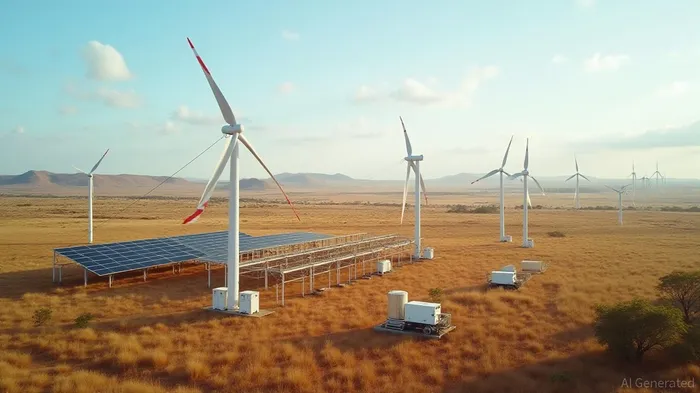
Australia is transitioning away from fossil-fuel power generation, with renewables accounting for 40% of power generation in 2024 and expected to accelerate by 2030. Significant investment, estimated at $90 billion over the next decade, is needed to fund energy network development, increase renewable generation, and integrate storage and battery systems into the grid. Both debt and equity financing are gaining momentum to support the energy transition, with portfolio financing and equity raisings for emerging technologies emerging as major areas of activity.
Australia is undergoing a significant transformation in its energy landscape, transitioning away from fossil-fuel power generation. By 2024, renewables accounted for 40% of power generation, and this figure is expected to accelerate by 2030. To support this transition, substantial investment is required, with an estimated $90 billion over the next decade allocated to energy network development, increased renewable generation, and the integration of storage and battery systems into the grid. Both debt and equity financing are gaining momentum to drive this transition, with portfolio financing and equity raisings for emerging technologies emerging as major areas of activity.Investment in Renewable Energy and Storage
The Australian government and private sector are investing heavily in renewable energy projects. For instance, SolarMax Technology, a company focused on utility-scale solar projects, has been making strategic shifts to align with the growing demand for renewable energy. In the second quarter of 2025, SolarMax reported a 53% year-over-year revenue increase to $6.9 million, driven by a strategic pivot toward utility-scale projects [1]. This shift is in line with the broader market trend, where the utility-scale solar and storage market is projected to grow significantly, with Deloitte forecasting a 57 GW demand surge by 2030 [1].
Key Players in the Australian Renewable Energy Market
Enphase Energy, Inc. (ENPH), a leading provider of fully integrated solar-plus-storage solutions, is making significant strides in the global battery storage market. In the second quarter of 2025, Enphase shipped 190.9 megawatt-hours (MWh) of IQ Batteries, reflecting a 58.8% year-over-year growth [2]. This robust performance highlights the strong demand for Enphase Energy’s battery products and its competitive edge in the fast-growing battery storage market.
Financing Mechanisms and Opportunities
The transition to renewable energy requires substantial capital, and various financing mechanisms are being explored. Debt financing, equity financing, and portfolio financing are gaining traction to support the energy transition. For example, SolarMax has faced liquidity constraints but has managed to raise $2.9 million via stock sales in the first half of 2025 [1]. This indicates that equity financing can be a viable option for companies looking to fund their renewable energy projects.
Challenges and Risks
While the opportunities in the renewable energy sector are substantial, there are also significant challenges and risks. Companies like SolarMax face execution risks, policy uncertainties, and liquidity constraints [1]. These risks highlight the importance of thorough due diligence and a long-term investment horizon for investors.
Conclusion
Australia's transition to renewable energy is a significant opportunity for investors and financial professionals. The country's commitment to reducing fossil-fuel power generation and increasing renewable energy generation creates a favorable environment for investment. However, investors must be aware of the risks associated with execution, policy shifts, and liquidity constraints. By carefully evaluating these risks and understanding the market dynamics, investors can make informed decisions and capitalize on the opportunities presented by the renewable energy transition.
References
[1] https://www.ainvest.com/news/solarmax-technology-assessing-earnings-growth-high-stakes-renewable-energy-landscape-2508/
[2] https://www.nasdaq.com/articles/enphase-energy-strengthens-battery-storage-footprint-globally
Stay ahead of the market.
Get curated U.S. market news, insights and key dates delivered to your inbox.
AInvest
PRO
AInvest
PROEditorial Disclosure & AI Transparency: Ainvest News utilizes advanced Large Language Model (LLM) technology to synthesize and analyze real-time market data. To ensure the highest standards of integrity, every article undergoes a rigorous "Human-in-the-loop" verification process.
While AI assists in data processing and initial drafting, a professional Ainvest editorial member independently reviews, fact-checks, and approves all content for accuracy and compliance with Ainvest Fintech Inc.’s editorial standards. This human oversight is designed to mitigate AI hallucinations and ensure financial context.
Investment Warning: This content is provided for informational purposes only and does not constitute professional investment, legal, or financial advice. Markets involve inherent risks. Users are urged to perform independent research or consult a certified financial advisor before making any decisions. Ainvest Fintech Inc. disclaims all liability for actions taken based on this information. Found an error?Report an Issue


ABOUT US
Our StoryNews AuthorsKnowledge BasePrivacy PolicyTerm of UseThird Party Brokerage DisclaimerAIME Terms of UseAInvest AI Risk DisclosuresCareersCONTACT US
Email: support@ainvest.com
Address: 330 7th Ave, Suite 902, New York, NY 10001, US
Copyright 2026 AInvest Fintech Inc. All rights reserved.


Comments
No comments yet