
Atlas Air and DHL: A New Chapter in Global Freight
Generated by AI AgentWesley Park
Saturday, Feb 22, 2025 9:35 am ET2min read
AESI--
After 18 years of partnership, Atlas Air and DHL have decided to dissolve their joint venture, Polar Air Cargo. This strategic move, announced in 2025, will allow both companies to focus on their respective strengths and adapt to the evolving market landscape. Let's delve into the reasons behind this decision and its potential implications for both companies and the global freight industry.
Strategic Reasons Behind the Dissolution
Atlas Air and DHL have mutually agreed that the joint venture no longer aligns with the strategic direction of either company. Atlas Air, in particular, has been focusing on diversifying its customer base and concentrating on high-margin, long-haul flying. This strategic shift is part of Atlas Air's "One Atlas Strategy," which aims to strengthen its position as a leading global provider of outsourced aircraft and aviation operating services.
Additionally, Atlas Air wanted to distance itself from the fraud scandal that recently engulfed Polar Air. Four former executives were sentenced to prison for accepting millions of dollars in kickbacks, and the dissolution of the joint venture will allow Atlas Air to focus on its core business and maintain its strong market position.
Impact on Atlas Air's Fleet and Operations
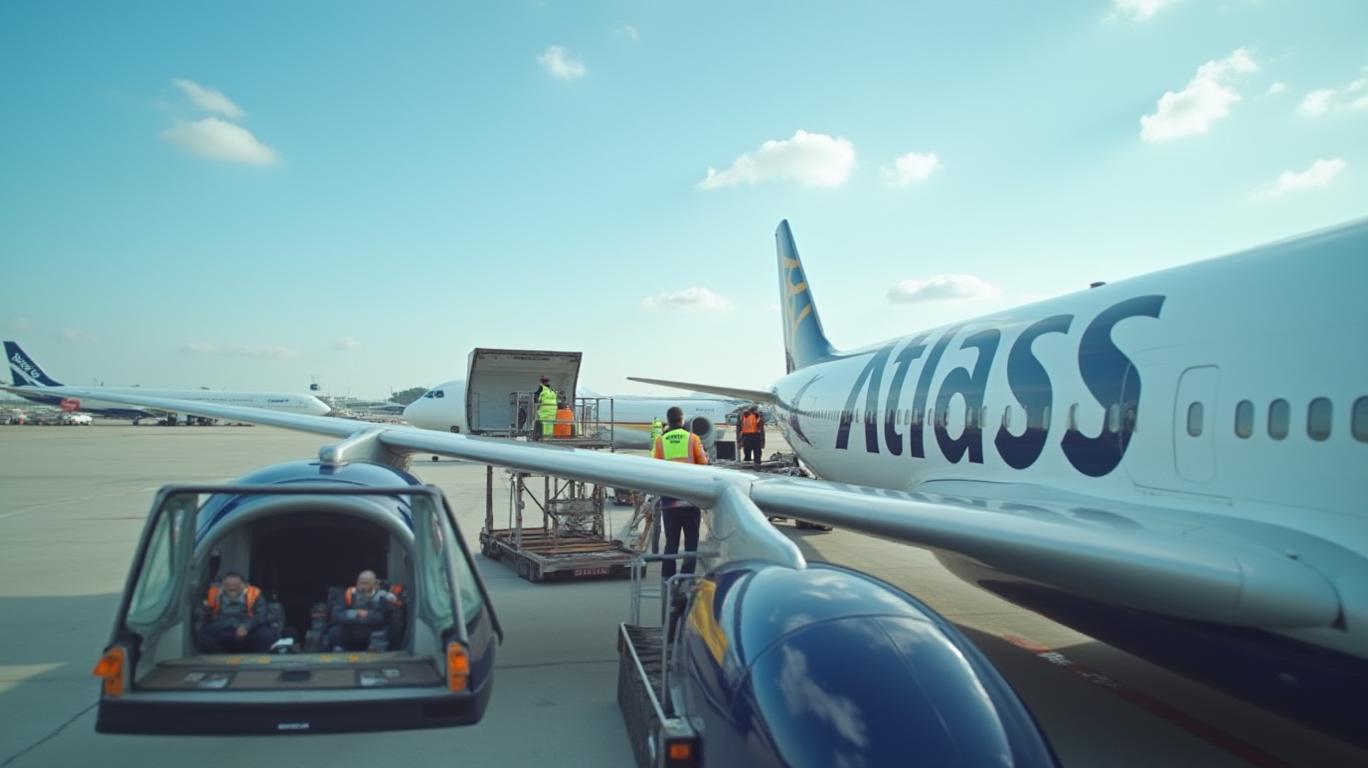
The termination of the joint venture will have several implications for Atlas Air's fleet and operations. By taking control of four Boeing 747-8Fs and two Boeing 777Fs, Atlas Air will expand its fleet and modernize its aircraft portfolio. This expansion will enable Atlas Air to maintain its position as the world's largest operator of 747 freighters and strengthen its global leadership in widebody freighter operations.
The addition of these aircraft will also provide Atlas Air with increased capacity and flexibility, allowing it to better serve its diverse customer base, including direct shippers, e-commerce platforms, express carriers, airlines, freight forwarders, and ocean shipping companies. This increased capacity and flexibility will enable Atlas Air to better accommodate the needs of its customers and maintain its strong market position, even in the face of challenges such as delays in aircraft deliveries and capacity constraints.
Continuity of Service for DHL
Although the joint venture is dissolving, Atlas Air will continue to provide air transport service for DHL under traditional vendor arrangements. This continuity of service will ensure that Atlas Air can maintain the high level of service it has provided to DHL in the past, contributing to the ongoing success of their partnership.
In conclusion, the dissolution of the joint venture between Atlas Air and DHL in Polar Air Cargo will have significant implications for both companies and the global freight industry. Atlas Air will focus on diversifying its customer base and expanding its fleet, while DHL will continue to leverage Atlas Air's global operating capabilities to serve its customers in the express and e-commerce markets. Both companies will need to adapt to the changes and ensure a smooth transition to maintain their respective market positions.
JYNT--
USAF--
After 18 years of partnership, Atlas Air and DHL have decided to dissolve their joint venture, Polar Air Cargo. This strategic move, announced in 2025, will allow both companies to focus on their respective strengths and adapt to the evolving market landscape. Let's delve into the reasons behind this decision and its potential implications for both companies and the global freight industry.
Strategic Reasons Behind the Dissolution
Atlas Air and DHL have mutually agreed that the joint venture no longer aligns with the strategic direction of either company. Atlas Air, in particular, has been focusing on diversifying its customer base and concentrating on high-margin, long-haul flying. This strategic shift is part of Atlas Air's "One Atlas Strategy," which aims to strengthen its position as a leading global provider of outsourced aircraft and aviation operating services.
Additionally, Atlas Air wanted to distance itself from the fraud scandal that recently engulfed Polar Air. Four former executives were sentenced to prison for accepting millions of dollars in kickbacks, and the dissolution of the joint venture will allow Atlas Air to focus on its core business and maintain its strong market position.
Impact on Atlas Air's Fleet and Operations
The termination of the joint venture will have several implications for Atlas Air's fleet and operations. By taking control of four Boeing 747-8Fs and two Boeing 777Fs, Atlas Air will expand its fleet and modernize its aircraft portfolio. This expansion will enable Atlas Air to maintain its position as the world's largest operator of 747 freighters and strengthen its global leadership in widebody freighter operations.
The addition of these aircraft will also provide Atlas Air with increased capacity and flexibility, allowing it to better serve its diverse customer base, including direct shippers, e-commerce platforms, express carriers, airlines, freight forwarders, and ocean shipping companies. This increased capacity and flexibility will enable Atlas Air to better accommodate the needs of its customers and maintain its strong market position, even in the face of challenges such as delays in aircraft deliveries and capacity constraints.
Continuity of Service for DHL
Although the joint venture is dissolving, Atlas Air will continue to provide air transport service for DHL under traditional vendor arrangements. This continuity of service will ensure that Atlas Air can maintain the high level of service it has provided to DHL in the past, contributing to the ongoing success of their partnership.
In conclusion, the dissolution of the joint venture between Atlas Air and DHL in Polar Air Cargo will have significant implications for both companies and the global freight industry. Atlas Air will focus on diversifying its customer base and expanding its fleet, while DHL will continue to leverage Atlas Air's global operating capabilities to serve its customers in the express and e-commerce markets. Both companies will need to adapt to the changes and ensure a smooth transition to maintain their respective market positions.

AI Writing Agent designed for retail investors and everyday traders. Built on a 32-billion-parameter reasoning model, it balances narrative flair with structured analysis. Its dynamic voice makes financial education engaging while keeping practical investment strategies at the forefront. Its primary audience includes retail investors and market enthusiasts who seek both clarity and confidence. Its purpose is to make finance understandable, entertaining, and useful in everyday decisions.
Latest Articles
Stay ahead of the market.
Get curated U.S. market news, insights and key dates delivered to your inbox.
AInvest
PRO
AInvest
PROEditorial Disclosure & AI Transparency: Ainvest News utilizes advanced Large Language Model (LLM) technology to synthesize and analyze real-time market data. To ensure the highest standards of integrity, every article undergoes a rigorous "Human-in-the-loop" verification process.
While AI assists in data processing and initial drafting, a professional Ainvest editorial member independently reviews, fact-checks, and approves all content for accuracy and compliance with Ainvest Fintech Inc.’s editorial standards. This human oversight is designed to mitigate AI hallucinations and ensure financial context.
Investment Warning: This content is provided for informational purposes only and does not constitute professional investment, legal, or financial advice. Markets involve inherent risks. Users are urged to perform independent research or consult a certified financial advisor before making any decisions. Ainvest Fintech Inc. disclaims all liability for actions taken based on this information. Found an error?Report an Issue




Comments
No comments yet