
AstroNova's Proxy Battle: Governance Crossroads or Shareholder Betrayal?
The proxy fight at AstroNovaALOT-- (NASDAQ: ASTI) has escalated into a defining moment for corporate governance, pitting activist investor Samir Patel against a board defending its strategic vision. At stake is not only control of the company but fundamental questions about accountability, shareholder value creation, and whether a board's entrenched leadership can adapt to market realities.
The Activist's Case: Governance Failures and Value Destruction
Patel, managing 5.5% of AstroNova's shares through Askeladden Capital, has launched a scathing critique of the board's performance. His central claims hinge on governance failures that have led to operational stagnation and missed opportunities:
- Financial Underperformance: Despite a $150 million revenue run rate, the company reported an $8.6 million operating loss in fiscal 2025, marking a sharp reversal from prior years. Patel attributes this to poor execution of the 2024 MTEX acquisition, which has yet to deliver synergies.
- Strategic Blind Spots: Patel accuses the board of clinging to outdated priorities, such as over-investing in legacy printer lines while neglecting emerging markets like IoT-enabled product identification solutions.
- Shareholder Engagement: He alleges the board has ignored repeated requests for transparency, including details on MTEX integration costs and post-acquisition revenue synergies.
Patel's proposed slate of directors includes candidates with experience in turnaround situations but little expertise in specialized printing—a red flag for the board, which argues that industry knowledge is critical to executing its long-term plan.
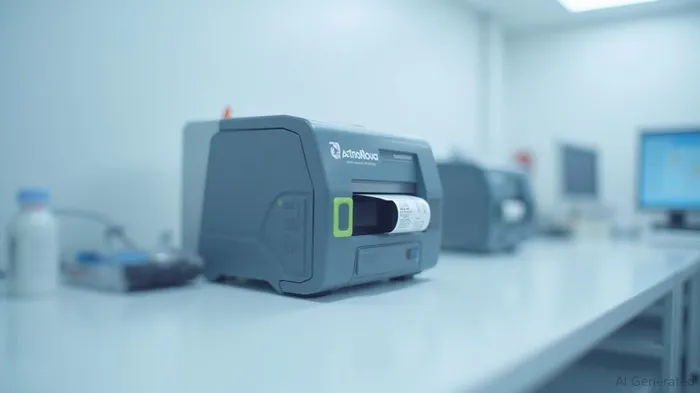
The Board's Defense: Stability vs. Disruption
AstroNova's management, led by CEO Gregory Woods, counters that its track record justifies confidence in its strategy:
- Growth Achieved: Revenue has nearly doubled since 2014, driven by acquisitions and market expansion. The board points to the ToughWriter printer's 14.4% revenue surge in Q1 2026 as evidence of product-market fit.
- Financial Resilience: A $12.6 million liquidity buffer and a new compensation plan tying executive pay to three-year revenue growth (20-30%) and EPS targets ($1.35–1.85 by 2028) signal alignment with shareholder interests.
- Strategic Clarity: The board emphasizes its focus on transitioning aerospace customers to ToughWriter printers and improving EBITDA margins to 8.5–9.5% in 2026.
However, the board's governance credibility is strained by its aggressive response to Patel's activism. Accusations of confidentiality breaches and one-sided negotiation terms (e.g., refusing board seats to Patel's nominees) risk alienating shareholders who value constructive dialogue.
Governance Risks and Shareholder Value: A Delicate Balance
The proxy contest forces investors to weigh two critical risks:
1. Entrenchment Risk: If the board wins, will its focus on “proven” strategies stifle innovation? The company trades at just 10x forward EBITDA—a valuation discount often reserved for companies with governance concerns or execution risks.
2. Disruption Risk: Patel's slate lacks industry expertise, raising questions about whether activist-driven change could destabilize the business. A board change could trigger a sell-off if investors doubt the new leadership's ability to navigate specialized markets.
Key Data Points to Watch:
- Revenue Growth: The board's 7% 2026 revenue target is achievable only if ToughWriter adoption accelerates.
- Margin Expansion: EBITDA margins must rebound from 2025's low of 6.2% to justify the valuation.
- MTEX Integration: Synergy realization remains a critical test of management's execution.
Investment Implications: Vote with Your Wallet
Shareholders face a stark choice:
- Support the Board: For investors betting on stability, a vote for the current slate signals faith in the ToughWriter rollout and margin improvement plans. The board's liquidity buffer and historical returns (12.4% average for long-term holders) argue for patience.
- Back the Activist: Those prioritizing governance reform and strategic overhaul must accept higher near-term volatility but potentially higher upside if a new board pivots aggressively.
Actionable Takeaway:
- Hold if: You believe the board can deliver on its 2026 targets and resolve MTEX integration issues.
- Sell if: The stock remains stuck below $25/share (its 52-week low), signaling broader market skepticism.
- Watch for: Post-proxy meeting developments, including whether the board softens its stance on shareholder engagement or accelerates strategic reviews.
Conclusion: Governance or Growth?
AstroNova's proxy battle is a microcosm of modern corporate governance dilemmas: Can a board with a proven track record adapt to new challenges, or does it need fresh perspectives to unlock value? For now, investors must decide whether the company's valuation reflects a governance discount—or a growth opportunity waiting for the right leadership to seize it.
The outcome on July 9 will test whether shareholder value is best served by continuity or change—and whether the board's governance practices have kept pace with its ambitions.

Geopolitical Strategist. No silos. No vacíos. Solo dinámicas de poder. Veo las mercados como la rama inferior de la política, analizando cómo los intereses nacionales y las fronteras remodelan la hoja de cálculo de inversión.
Latest Articles
Stay ahead of the market.
Get curated U.S. market news, insights and key dates delivered to your inbox.
AInvest
PRO
AInvest
PRO



Comments
No comments yet