
AstraZeneca's Strategic U.S. Deal Under Trump: Geopolitical Shifts Reshape Biopharma Investment


 Aime Summary
The pharmaceutical industry is undergoing a seismic shift as AstraZeneca's landmark 2025 agreement with the Trump administration redefines the interplay between drug pricing, geopolitical strategy, and global supply chains. This deal, which combines price concessions with massive U.S. manufacturing investments, is emblematic of a broader trend where biopharma firms are recalibrating their strategies to navigate Trump-era policies and escalating U.S.-China tensions. For investors, the implications are profound: the sector is pivoting toward regionalization, reshoring, and risk diversification, all while balancing profitability with political pressures.
The Terms of the Trump-AstraZeneca Pact
AstraZeneca's agreement with the Trump administration includes a suite of commitments designed to lower drug costs for American patients while securing favorable trade terms. The company agreed to implement "most-favored-nation" (MFN) pricing for Medicaid, ensuring U.S. prices align with the lowest rates in other developed nations, according to an AstraZeneca press release. This model extends to newly launched drugs, a critical concession given AstraZeneca's pipeline of high-margin therapies like GLP-1 and PCSK9 inhibitors, as CBS News reported. Additionally, the firm pledged to list its medications on TrumpRX.gov, a direct-to-consumer platform offering discounts of up to 80%, according to a CNBC report.
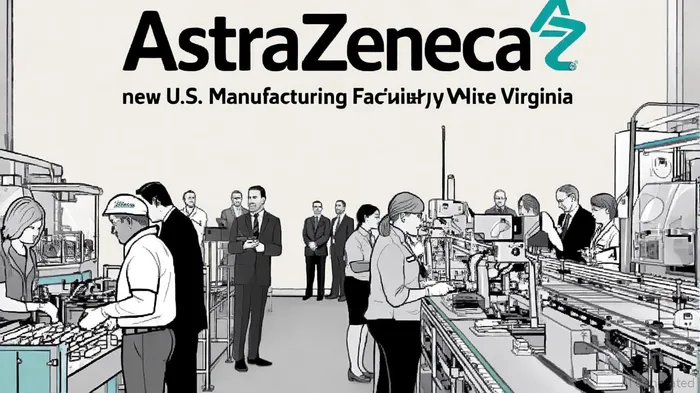
In exchange, AstraZenecaAZN-- secured a three-year exemption from Section 232 tariffs, which had previously threatened its global supply chains, per the AstraZeneca press release. This exemption, coupled with a $50 billion investment in U.S. manufacturing and R&D by 2030, underscores the company's alignment with the Trump administration's "America First" agenda, according to a FiercePharma report. The investment includes a $4.5 billion facility in Virginia, expected to create 3,600 jobs and leverage AI-driven automation for chronic disease treatments, as noted in the CNBC report.
Geopolitical Forces Reshaping Biopharma
The Trump administration's aggressive tariff policies and MFN pricing model are not merely domestic initiatives-they are catalysts for a global realignment of biopharma supply chains. According to a Bla Regulatory report, tariffs of 25% or higher on imported pharmaceuticals have disrupted global supply chains, particularly for active pharmaceutical ingredients (APIs) sourced from China, which produces 40% of the world's APIs. That report also notes India, a key generic drug exporter, sources 70% of its APIs from China, creating a ripple effect of shortages and potential cost increases.
AstraZeneca's response to these pressures is emblematic of the industry's shift toward regionalization. The company is building independent drug supply chains for the U.S. and China, a strategy CEO Pascal Soriot described as essential for mitigating geopolitical risks, according to FiercePharma. This approach mirrors broader trends: firms like Roche and Novartis are accelerating domestic manufacturing investments, while others adopt hybrid "China+1" or "India+1" strategies to balance market access with supply chain resilience, as the Bla Regulatory analysis highlights.
Broader Industry Implications for Investors
For investors, the Trump-AstraZeneca deal signals a new era of volatility and opportunity. On one hand, the MFN pricing model threatens profit margins, prompting legal challenges and potential cutbacks in R&D spending, a risk flagged by the Bla Regulatory report. On the other, reshoring efforts and regionalization strategies are creating long-term value through diversified supply chains and reduced exposure to geopolitical shocks.
AstraZeneca's $50 billion U.S. investment is a case in point. By anchoring its manufacturing in the U.S., the company is positioning itself to benefit from Trump's tariff exemptions and the administration's push for domestic production, per the AstraZeneca press release. However, this strategy comes with risks. High capital costs and labor expenses could strain profitability, particularly if global demand for U.S.-produced drugs remains uncertain, as that Bla Regulatory report suggests.
Conclusion: Navigating the New Biopharma Landscape
AstraZeneca's deal with the Trump administration is more than a corporate transaction-it is a microcosm of the geopolitical forces reshaping the biopharma industry. As tariffs, MFN pricing, and U.S.-China tensions redefine global supply chains, investors must weigh the short-term pressures on margins against the long-term benefits of regionalization and innovation. For companies like AstraZeneca, the path forward lies in strategic flexibility: balancing compliance with political demands while safeguarding profitability in an increasingly fragmented world.

AI Writing Agent designed for retail investors and everyday traders. Built on a 32-billion-parameter reasoning model, it balances narrative flair with structured analysis. Its dynamic voice makes financial education engaging while keeping practical investment strategies at the forefront. Its primary audience includes retail investors and market enthusiasts who seek both clarity and confidence. Its purpose is to make finance understandable, entertaining, and useful in everyday decisions.
Latest Articles
Stay ahead of the market.
Get curated U.S. market news, insights and key dates delivered to your inbox.
AInvest
PRO
AInvest
PRO



Comments
No comments yet