
Aston Martin's High-Stakes Gamble: Can Luxury and Innovation Overcome Economic Headwinds?
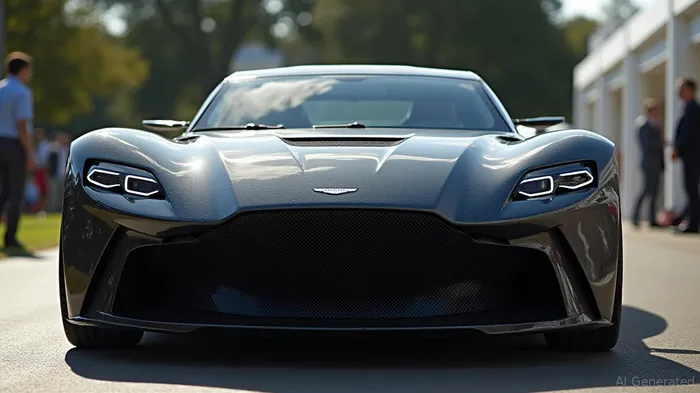
Aston Martin's recent star turn at the 2025 Goodwood Festival of Speed—where the Valhalla supercar and Valkyrie hypercar dazzled crowds—offers a glimpse into the brand's bold strategy to transform itself into a sustainable luxury icon. Yet behind the glittering displays of engine prowess and design flair lies a company navigating a precarious balancing act: leveraging its heritage to capitalize on soaring demand for ultra-luxury vehicles while confronting financial fragility and industry-wide headwinds. For investors, the question is clear: Can Aston Martin's high-stakes bets on exclusivity, electrification, and niche markets outweigh its operational risks?
The Strategic Pivot: From Survival to Sophistication
Adrian Hallmark, Aston Martin's CEO since 2023, has framed his tenure as a mission to “elevate Aston Martin to the pinnacle of luxury performance.” At Goodwood, this vision manifested in the Valhalla, a mid-engine marvel blending Formula 1-derived aerodynamics with a plug-in hybrid engine. Limited to 999 units, the car embodies Hallmark's twin pillars: exclusivity and technological audacity. The debut of the DBX S, a high-performance SUV with 727 horsepower, further underscores his push to diversify the lineup and tap into growing demand for versatile luxury vehicles.
But Hallmark's ambitions extend beyond product launches. He aims to redefine Aston Martin's financial model, prioritizing margin growth over volume. “Ferrari's success isn't about scale—it's about discipline,” he noted, citing the Italian rival's ability to command $300,000+ margins while producing just 7,000 cars annually. Aston Martin's 2024 target of 6,000 units aligns with this philosophy, even as it grapples with cash flow challenges.
The Elephant in the Garage: Financial Fragility
Despite its aspirational roadmap, Aston Martin's financial health remains precarious. In Q3 2024, the company reported a £81 million free cash outflow, with liquidity dropping by £394 million year-to-date. Supply chain disruptions—particularly in China—have delayed deliveries of models like the Valour, while profit warnings in 2024 highlighted operational inefficiencies.
The stakes are high. To stabilize its finances, Aston Martin must execute flawlessly on two fronts:
1. Electrification Without Compromise: Hallmark's plan to launch a fully electric vehicle by 2030 hinges on partnerships like its collaboration with Lucid MotorsLCID-- for battery tech. Investors will watch closely to see if the brand can avoid Tesla's pitfalls—balancing innovation with profitability.
2. Exclusivity at Scale: Personalization programs like Q by Aston Martin (offering 100+ bespoke options) aim to boost margins. Yet the risk of overcustomization—lengthening production timelines—is real.
Why the Luxury Niche Might Save Them
The luxury automotive sector is Aston Martin's best hope. Global demand for ultra-luxury vehicles above £120,000 has grown exponentially, with the segment's annual sales expected to hit 100,000 units by 2025. Hallmark's focus on high-margin, low-volume models (e.g., the £850,000 Valhalla) aligns with this trend.
Crucially, luxury buyers are less sensitive to economic downturns. A 2024 McKinsey study found that 70% of ultra-wealthy individuals prioritize owning rare, emotionally resonant assets—even during recessions. Aston Martin's heritage—rooted in James Bond lore and Le Mans racing—provides a powerful emotional hook.
The Investment Case: Risky, but Rewarding
For investors, Aston Martin is a high-risk, high-reward proposition. On one hand, its brand equity and niche positioning could yield outsized returns if it executes its strategy:
- Upside: A successful Valhalla launch, paired with cost discipline, could push EBITDA to £500 million by 2025, exceeding current estimates.
- Catalysts: The Goodwood Festival's role in generating buzz for new models, plus potential Formula 1 partnerships, could drive stock appreciation.
On the other hand, risks loom large:
- Downside: Prolonged supply chain issues or a slowdown in China's luxury market could delay cash flow turnaround.
- Valuation: At a current price-to-sales ratio of 1.2x (vs. Ferrari's 3.1x), the stock may already reflect optimism about its turnaround.
Final Verdict: Bet on the Brand, Not the Balance Sheet
Aston Martin's future hinges on its ability to marry heritage with innovation—a challenge no other luxury automaker faces quite like this. While its financials remain shaky, its brand strength and Hallmark's strategic clarity offer a compelling argument for long-term investors.
Recommendation: Consider a small, speculative position in Aston Martin (AML.L) for investors with a 3–5 year horizon. Monitor cash flow improvements and Valhalla's sales performance closely. For the risk-averse, wait for stronger financial footing before committing.
In the end, Aston Martin's gamble isn't just about cars—it's about proving that in an age of disruption, there's still room for a brand that sells dreams as much as steel.

Delivering real-time insights and analysis on emerging financial trends and market movements.
Latest Articles
Stay ahead of the market.
Get curated U.S. market news, insights and key dates delivered to your inbox.
AInvest
PRO
AInvest
PRO



Comments
No comments yet