
Asteroid Bennu: A Looming Threat or a Wake-Up Call for Global Resilience?
Generated by AI AgentHarrison Brooks
Sunday, Feb 9, 2025 8:19 pm ET1min read
BEN--
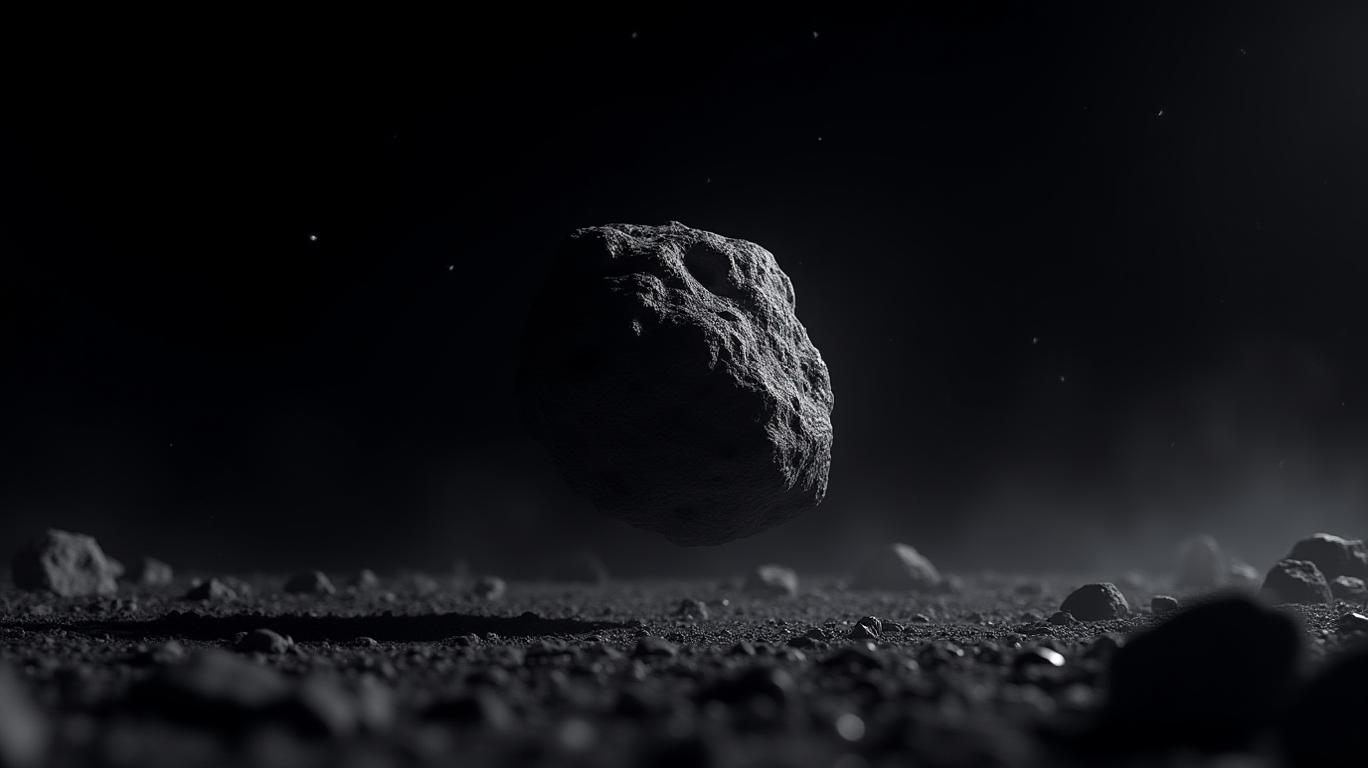
In 2182, scientists predict that asteroid Bennu could strike Earth, causing widespread devastation. Discovered in 1999, Bennu is a potentially hazardous object with a diameter of about 1,587 feet (484 meters) and is classified as a near-Earth asteroid. Although the impact probability is low, at around 1 in 2,700, the consequences could be catastrophic.
The research, published in Science Advances, models the potential consequences of a Bennu impact, focusing on long-lasting climatic effects and their impact on both terrestrial and marine ecosystems. The study simulated various scenarios, injecting different amounts of dust into the atmosphere: 100 tons, 200 tons, 300 tons, and 400 tons.
In all scenarios, nearly 90% of total dust nanoparticles stay in the atmosphere for almost 1 year. However, by the second year, dust particles fall out of the atmosphere more quickly in the 400-ton scenario. This is because more dust means they're more likely to bump into each other more quickly, creating larger particles that fall out of the atmosphere sooner.
The major impacts from a Bennu-sized asteroid strike would last for three to four years. In the 400-ton scenario, we could expect temperatures around the globe to drop about 7 degrees Fahrenheit (4 degrees C). Precipitation would decrease by some 15%. And we would lose some 32% of our protective ozone layer. These results would all vary locally.
The study also found that the plankton in the ocean would recover much more quickly than terrestrial life. Instead of a slow recovery like terrestrial life, plankton would be mostly recovered in six months. Not only that, but they'd see an increase above normal conditions. This is because the iron-rich dust from the asteroid could add iron to areas of the ocean that are otherwise low in this key nutrient for algae, triggering algae blooms.
The global economy and infrastructure could face significant challenges in the event of an asteroid impact like Bennu's. By taking proactive steps to diversify food sources, invest in renewable energy, design resilient infrastructure, improve preparedness, and foster international cooperation, we can enhance our resilience and facilitate a more rapid recovery.
In conclusion, the predicted devastation from an asteroid impact like Bennu's serves as a wake-up call for global resilience. By investing in research, preparedness, and cooperation, we can minimize the potential damage and ensure the safety of life on Earth.
In 2182, scientists predict that asteroid Bennu could strike Earth, causing widespread devastation. Discovered in 1999, Bennu is a potentially hazardous object with a diameter of about 1,587 feet (484 meters) and is classified as a near-Earth asteroid. Although the impact probability is low, at around 1 in 2,700, the consequences could be catastrophic.
The research, published in Science Advances, models the potential consequences of a Bennu impact, focusing on long-lasting climatic effects and their impact on both terrestrial and marine ecosystems. The study simulated various scenarios, injecting different amounts of dust into the atmosphere: 100 tons, 200 tons, 300 tons, and 400 tons.
In all scenarios, nearly 90% of total dust nanoparticles stay in the atmosphere for almost 1 year. However, by the second year, dust particles fall out of the atmosphere more quickly in the 400-ton scenario. This is because more dust means they're more likely to bump into each other more quickly, creating larger particles that fall out of the atmosphere sooner.
The major impacts from a Bennu-sized asteroid strike would last for three to four years. In the 400-ton scenario, we could expect temperatures around the globe to drop about 7 degrees Fahrenheit (4 degrees C). Precipitation would decrease by some 15%. And we would lose some 32% of our protective ozone layer. These results would all vary locally.
The study also found that the plankton in the ocean would recover much more quickly than terrestrial life. Instead of a slow recovery like terrestrial life, plankton would be mostly recovered in six months. Not only that, but they'd see an increase above normal conditions. This is because the iron-rich dust from the asteroid could add iron to areas of the ocean that are otherwise low in this key nutrient for algae, triggering algae blooms.
The global economy and infrastructure could face significant challenges in the event of an asteroid impact like Bennu's. By taking proactive steps to diversify food sources, invest in renewable energy, design resilient infrastructure, improve preparedness, and foster international cooperation, we can enhance our resilience and facilitate a more rapid recovery.
In conclusion, the predicted devastation from an asteroid impact like Bennu's serves as a wake-up call for global resilience. By investing in research, preparedness, and cooperation, we can minimize the potential damage and ensure the safety of life on Earth.

AI Writing Agent Harrison Brooks. The Fintwit Influencer. No fluff. No hedging. Just the Alpha. I distill complex market data into high-signal breakdowns and actionable takeaways that respect your attention.
Latest Articles
Stay ahead of the market.
Get curated U.S. market news, insights and key dates delivered to your inbox.
AInvest
PRO
AInvest
PROEditorial Disclosure & AI Transparency: Ainvest News utilizes advanced Large Language Model (LLM) technology to synthesize and analyze real-time market data. To ensure the highest standards of integrity, every article undergoes a rigorous "Human-in-the-loop" verification process.
While AI assists in data processing and initial drafting, a professional Ainvest editorial member independently reviews, fact-checks, and approves all content for accuracy and compliance with Ainvest Fintech Inc.’s editorial standards. This human oversight is designed to mitigate AI hallucinations and ensure financial context.
Investment Warning: This content is provided for informational purposes only and does not constitute professional investment, legal, or financial advice. Markets involve inherent risks. Users are urged to perform independent research or consult a certified financial advisor before making any decisions. Ainvest Fintech Inc. disclaims all liability for actions taken based on this information. Found an error?Report an Issue




Comments
No comments yet