
ASTER Token Buybacks Launch Strategic Reserve Mechanism to Reduce Circulating Supply
 Aime Summary
- Aster has launched a Strategic Buyback Reserve mechanism, allocating 20%-40% of daily platform fees to repurchase ASTER tokensASTER-- to reduce the circulating supply and align token holder interests with the platform's growth according to reports.
- The buyback mechanism is executed via a reserve wallet, 0x5E4969C41ca9F9831468B98328A370b7AbD5a397, ensuring on-chain transparency and verifiability of all transactions as documented.
- Repurchased tokens are either burned or locked in a community treasury, effectively removing them from circulation or reserving them for future use, supporting a sustainable model for token demand and value according to analysis.
Aster, a decentralized perpetual futures exchange, has implemented a Strategic Buyback Reserve mechanism as part of its broader buyback plan to reinforce its economic foundation. The mechanism dynamically allocates 20%–40% of daily platform transaction fees toward market repurchases, aiming to reduce the circulating supply of ASTERASTER-- tokens and create a sustainable model for buybacks as detailed.
The program is designed to reduce sell-side pressure on ASTER tokens and align the interests of token holders with the platform's growth. By using a variable allocation based on market conditions and trading volume, the buyback mechanism allows for flexibility and adaptability according to reports.
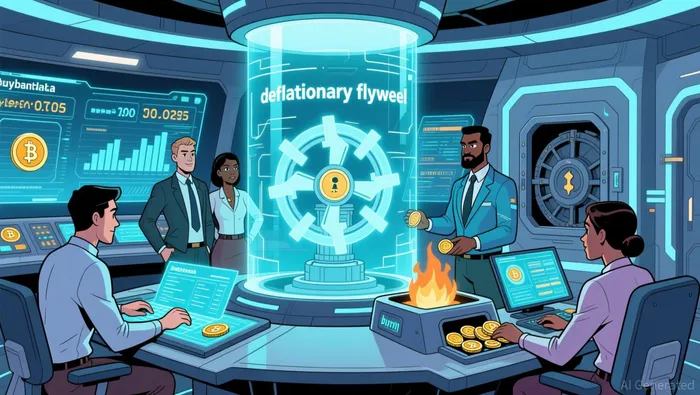
Aster has increased its token buyback program by allocating a significant portion of daily platform fees to repurchase its native token. The initiative aims to reduce token supply and create a transparent, sustainable demand mechanism for the native token as reported.
The buyback mechanism is part of a broader trend in DeFi toward revenue-sharing models that prioritize token holder value and protocol-owned liquidity. Analysts are monitoring the impact of the buyback program on token price and long-term value accrual according to analysis.
Aster's ASTER token has demonstrated strong potential for 2026, driven by its deflationary flywheel and institutional-grade infrastructure. The platform's hybrid AMM-CEX model and privacy-focused Aster Chain are expected to enhance institutional adoption according to reports.
Aster has also demonstrated an aggressive token management strategy by allocating significant USDTUSDT-- for buybacks, mitigating potential selling pressure from airdrop releases. The airdrop introduced a Multidimensional Scoring System to filter genuine traders and support token price stability as observed.
What Is Aster's Buyback Mechanism?
Aster's buyback mechanism is a part of its five-stage buyback plan, dynamically allocating a portion of daily trading fees to market repurchases. This ensures that the platform can respond to market conditions and maintain a consistent demand for ASTER tokens .
The mechanism operates by converting a portion of daily trading fees—collected in various cryptocurrencies—into the native token, which are then repurchased and either burned or sent to a community treasury. This model is designed to reduce circulating supply, increase token demand, and incentivize long-term holding .
The variable allocation allows flexibility based on trading volume and market conditions. This ensures that the buyback program remains sustainable and does not deplete the platform's reserves during periods of low trading activity .
What Are the Implications for ASTER Token Holders?
Aster's buyback mechanism is designed to create a direct link between platform usage and token demand. By reducing the circulating supply, the platform aims to increase token value and create a sustainable model for value accrual .
This approach aligns with broader industry trends in DeFi toward revenue-sharing models that prioritize token holder value and protocol-owned liquidity. Analysts have compared Aster's approach to traditional corporate share buybacks, noting that the on-chain logic provides greater transparency and trust .
The success of the buyback program could influence broader adoption of similar strategies in DeFi, potentially leading to a more robust and sustainable ecosystem. Investors should pay attention to the long-term implications of the buyback program, as the mechanism is designed to reduce sell-side pressure and signal fundamental strength to the market .
What Are the Risks or Limitations of Aster's Buyback Program?
While the buyback program has demonstrated short-term benefits for token price, concerns remain about its impact on protocol cash reserves during extreme market conditions .
The high-intensity buyback strategy may lead to increased pressure on the platform's liquidity, especially during periods of high volatility. This could potentially impact the platform's ability to maintain high trading volumes and continue its growth trajectory .
Additionally, the success of the buyback program depends on the platform's ability to maintain high trading volumes and continue to generate sustainable revenue. If trading volumes decline, the buyback program may become less effective in maintaining token value .
Overall, Aster's buyback program represents a significant step in its efforts to enhance token holder value and promote long-term growth. The program's success will depend on the platform's ability to maintain high trading volumes and continue to generate sustainable revenue while managing potential risks to liquidity and cash reserves .

Blending traditional trading wisdom with cutting-edge cryptocurrency insights.
Latest Articles
Stay ahead of the market.
Get curated U.S. market news, insights and key dates delivered to your inbox.


AInvest
PRO
AInvest
PRO



Comments
No comments yet