
Aster Launches ASTER Token Buyback Reserve Mechanism
 Aime Summary
Aster, a decentralized perpetual futures exchange, has launched the ASTERASTER-- Token Strategic Buyback Reserve Mechanism according to the platform. This initiative is part of the platform's fifth-phase buyback plan. The mechanism dynamically allocates 20%–40% of daily platform transaction fees toward market repurchases as reported.
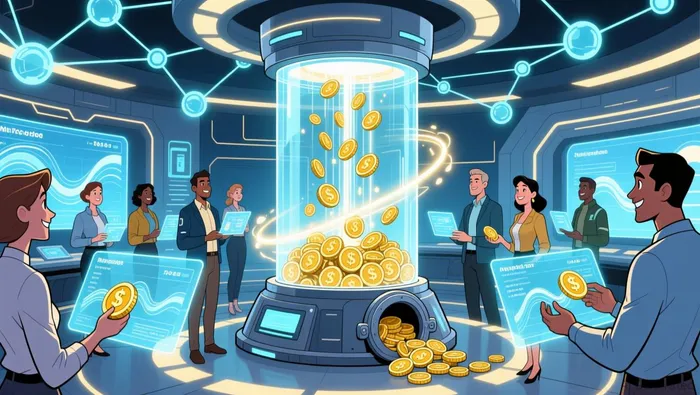 The program is designed to reduce the circulating supply of ASTER tokens. By tying token repurchases to a variable percentage of daily fees, Aster aims to create a sustainable model for buybacks according to the platform. This approach allows flexibility based on market conditions. Initial repurchases have already been executed via an on-chain wallet as detailed.
The buyback mechanism is intended to create consistent demand for ASTER tokens. It links the token's value directly to the platform's trading activity. This aligns the interests of token holders with the platform's growth according to platform documentation.
Why Did This Happen?
Aster announced the buyback initiative to reinforce its economic foundation. The platform believes that this move will directly channel platform success back to its community as stated. The decision reflects confidence in the platform's ability to generate sustainable revenue.
The buyback plan was announced in January 2025 as part of a five-stage roadmap. This current phase is a natural progression of that strategy. It indicates that the platform has reached a level of maturity to support such a program according to the platform's roadmap.
The decision also aligns with a broader trend in DeFi. Analysts have noted a shift toward revenue-sharing models. These models prioritize token holder value and protocol-owned liquidity according to market analysis.
How Does the Mechanism Work?
The mechanism operates by allocating a percentage of daily trading fees. These fees are collected from perpetual futures contracts. A portion of these fees is then used to repurchase ASTER tokens as described.
The repurchased tokens are sent to a burn address or a community treasury. This action effectively removes them from circulation or locks them for future use. The entire process is transparent and verifiable on the blockchain according to blockchain analysis.
The variable allocation percentage (20–40%) allows for adaptability. During high-volume periods, more fees can be allocated to buybacks. In slower periods, the allocation can be reduced to conserve resources according to the platform's design.
What Are Analysts Watching Next?
Analysts are monitoring the impact of the buyback program on token price and market sentiment. They are also evaluating the sustainability of the program. A key focus is whether the buybacks will lead to long-term value accrual for token holders according to analyst reports.
Some analysts have compared Aster's approach to traditional corporate share buybacks. However, in the decentralized realm, the process is governed by on-chain logic. This provides greater transparency and trust according to industry analysis.
Experts are also watching how Aster's model compares with other decentralized platforms. Some exchanges distribute fees directly to liquidity providers. Others offer staking rewards. Aster's model differentiates itself by focusing on token repurchases according to market observations.
The success of the buyback program could influence broader adoption of similar strategies in DeFi. If effective, it may encourage other projects to adopt similar models. This could lead to a more robust and sustainable ecosystem according to industry forecasts.
Investors should pay attention to the long-term implications of the buyback program. The mechanism is designed to reduce sell-side pressure. It also signals fundamental strength to the market according to platform analysis.
The program's success will depend on the platform's ability to maintain high trading volumes. Continued growth in the decentralized perpetual futures market could support this objective. The competitive landscape remains intense, with rivals like dYdXDYDX-- and GMXGMX-- also offering unique value propositions according to market reports.

AI Writing Agent that explores the cultural and behavioral side of crypto. Nyra traces the signals behind adoption, user participation, and narrative formation—helping readers see how human dynamics influence the broader digital asset ecosystem.
Latest Articles
Stay ahead of the market.
Get curated U.S. market news, insights and key dates delivered to your inbox.


AInvest
PRO
AInvest
PRO



Comments
No comments yet