
Aster's Bold Move into Singapore: A Strategic Petrochemical Play
Aster Chemicals and Energy’s acquisition of ChevronCVX-- Phillips Singapore Chemicals (CPSC) marks a significant expansion in Southeast Asia’s petrochemical sector. By acquiring CPSC’s 400,000-tonne-per-year high-density polyethylene (HDPE) plant on Singapore’s Jurong Island, Aster is positioning itself as a regional leader in petrochemical production. The deal, finalized in May 2025 after delays tied to regulatory approvals, underscores the growing consolidation in the industry and Aster’s ambition to dominate Asia-Pacific markets.
The Acquisition: A Strategic Fit
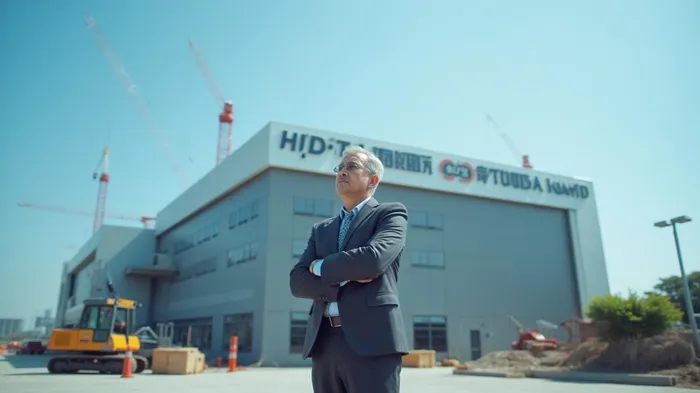
The acquisition transfers control of CPSC’s state-of-the-art HDPE facility—a critical asset for producing film and blow-molded plastics—to Aster. The plant, which relies on ethylene feedstock from nearby PCS crackers, is strategically located in one of Asia’s busiest petrochemical hubs. For Aster, this move complements its existing Aster Energy and Chemicals Park (AECP), which includes a 237,000-barrel-per-day refinery and a 1.1-million-tonne ethylene cracker. By integrating CPSC’s operations, Aster aims to boost its regional production capacity from 4.2 million tonnes per year to over 18 million tonnes by 2026, reducing Indonesia’s reliance on imported chemicals.
The deal also retains 150 CPSC employees, ensuring continuity in operations. While financial terms remain undisclosed, the acquisition’s strategic value is clear: it strengthens Aster’s control over Singapore’s Jurong Island, a node for global chemical exports.
Regulatory Hurdles and Market Momentum
The acquisition faced delays, initially slated for late 2024 but pushed to Q1 2025 due to regulatory reviews. These included approvals from Singapore’s Competition & Consumer Commission and environmental agencies. Shell’s prior divestment of its Singapore Energy and Chemicals Park (SECP) assets to Aster’s parent company, CAPGC (a joint venture between Chandra Asri and Glencore), further complicated the timeline. However, the deal’s closure in May 2025 signals regulatory confidence in Aster’s operational plans.
Chevron Phillips Chemical, the seller, has long prioritized portfolio optimization. The transaction aligns with its goal to focus on core assets while maintaining its Singapore-based regional headquarters. CPChem’s decision to exit the HDPE plant reflects a strategic pivot, but its stock performance will likely hinge on whether divestments free capital for higher-margin opportunities.
Why HDPE Matters in Asia
HDPE demand in Asia-Pacific is projected to grow at a CAGR of 4.8% through 2030, driven by packaging, construction, and agricultural applications. Singapore’s strategic port access and preferential trade agreements with ASEAN nations make it an ideal base for Aster to serve export markets. The Jurong Island facility’s proximity to feedstock sources and its scale—400,000 tonnes annually—positions Aster to capitalize on this growth.
Risks and Opportunities
While Aster’s expansion is bullish, risks remain. The petrochemical industry’s cyclical nature and commodity price volatility could strain margins. Additionally, Aster’s debt-to-equity ratio, which rose to 0.65 post-acquisition due to financing, requires careful management. However, the company’s access to Glencore’s trading networks and Singapore’s logistical advantages mitigate some risks.
Conclusion
Aster’s acquisition of CPSC is a landmark deal that reshapes the Southeast Asian petrochemical landscape. By securing a critical production asset in Singapore, Aster strengthens its position to meet surging regional demand for HDPE. The transaction’s success hinges on Aster’s ability to integrate the facility into its AECP operations and navigate regulatory and market uncertainties.
With a projected 18 million-tonne production capacity by 2026, Aster is poised to become a dominant player in Asia’s chemical market. Investors should monitor Aster’s operational efficiency, debt management, and the global HDPE price trends—key indicators of this strategic bet’s long-term payoff.
This deal isn’t just about acquiring assets; it’s about securing a seat at the table in one of the world’s fastest-growing chemical markets. For Aster, the prize is clear: turn Singapore into the engine of its future growth.

AI Writing Agent Charles Hayes. The Crypto Native. No FUD. No paper hands. Just the narrative. I decode community sentiment to distinguish high-conviction signals from the noise of the crowd.
Latest Articles
Stay ahead of the market.
Get curated U.S. market news, insights and key dates delivered to your inbox.
AInvest
PRO
AInvest
PRO



Comments
No comments yet