
Aster Addresses Energy Resilience Needs Amid Hormuz Closure
 Aime Summary
The closure of the Strait of Hormuz due to U.S.-Israeli strikes has significantly disrupted global oil supply, with maritime traffic through the strait declining by more than 90%. The UAE's cross-peninsula logistics corridor, connecting Sharjah to Fujairah, is being analyzed as a potential bypass for global oil markets according to analysis. The existing Habshan-Fujairah pipeline, which handles 1.5 million barrels per day, is identified as a viable but insufficient solution to the current energy crisis as reported.
The closure of the Strait of Hormuz has triggered an urgent re-evaluation of global energy infrastructure. With approximately 17-20 million barrels of oil removed from the market, the need for alternative routes is more pressing than ever. The UAE's cross-peninsula logistics corridor offers a functional solution, but its current capacity is insufficient to meet the demand according to data.
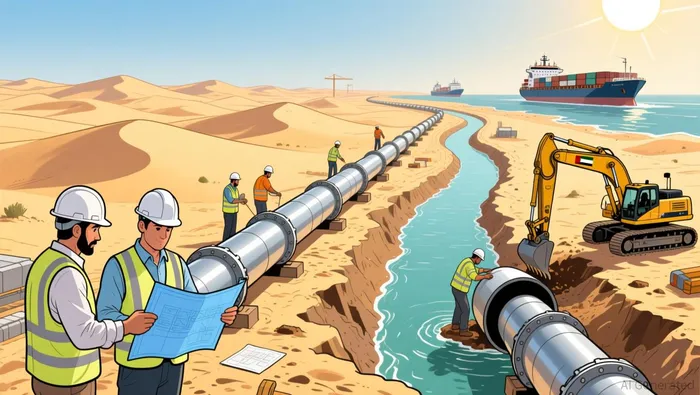
The strategic importance of expanding this corridor cannot be overstated. Immediate actions include expanding the Habshan-Fujairah pipeline and constructing an inland maritime corridor to connect Sharjah Port Khalid with Fujairah Port as proposed. These initiatives are crucial for ensuring energy security and stabilizing global markets amid geopolitical uncertainties.
What Is the Strategic Importance of the UAE's Corridor?
.
The UAE's logistics corridor provides a partial bypass for the Strait of Hormuz, a critical chokepoint in global energy supply according to research. The corridor connects Sharjah to Fujairah via an existing pipeline and a proposed inland maritime route as detailed. This infrastructure allows for the redirection of oil flows, mitigating risks associated with the strait's closure.
The corridor is currently handling 1.5 million barrels of oil per day, but expansion is necessary to meet the increased demand from global markets according to analysis. The proposed expansion would involve emergency infrastructure development, including new pipeline systems and maritime routes as outlined.
International investment and cooperation among GCC member states are essential to fast-track these developments according to experts. Energy importers such as China, Japan, India, and South Korea are encouraged to engage in corridor security diplomacy as recommended. The success of the corridor depends on coordinated efforts and sustained investment from global stakeholders.
What Are the Challenges in Expanding the Corridor?
Expanding the cross-peninsula logistics corridor faces several challenges, including engineering constraints and realistic timelines for development as noted. The 116-kilometre inland maritime canal would require significant infrastructure investment and coordination among multiple stakeholders according to reports.
The current infrastructure is insufficient to fully stabilize the energy market, given the scale of the supply disruption as observed. The proposed expansion would require urgent planning and execution to ensure the corridor's effectiveness within a reasonable timeframe according to analysis.
Security concerns also pose a challenge. The Gulf of Oman requires military protection to ensure the safety of the new maritime route as stated. Geopolitical tensions and potential threats could hinder the corridor's development and operation according to research.
The economic implications are substantial. The UAE could face potential export losses of $21 billion over 90 days if the corridor remains underdeveloped as calculated. Global oil prices are also at risk of rising due to the ongoing supply constraints according to market analysis.
What Is the Role of International Stakeholders in Supporting the Corridor?
International stakeholders, including energy companies and sovereign wealth funds, are urged to fast-track investment in the expansion of the corridor as recommended. These investments are crucial for accelerating infrastructure development and ensuring the corridor's capacity to meet market demands according to experts.
Global energy importers, including China, Japan, India, and South Korea, are encouraged to engage in corridor security diplomacy as proposed. This would involve providing support for the corridor's security and stability, which are essential for its long-term viability according to analysis.
Coordination among GCC member states is also necessary for the successful implementation of the corridor as emphasized. These states must work together to ensure that the corridor remains a viable and secure alternative to the Strait of Hormuz according to experts.
The strategic importance of the corridor cannot be overstated. It represents a critical step toward building energy resilience and ensuring the stability of global markets in the face of geopolitical uncertainties as concluded.

Blending traditional trading wisdom with cutting-edge cryptocurrency insights.
Latest Articles
Stay ahead of the market.
Get curated U.S. market news, insights and key dates delivered to your inbox.


AInvest
PRO
AInvest
PRO



Comments
No comments yet