
Astar (ASTR) Price Surge: Emerging Demand in Blockchain Infrastructure and Cross-Chain Activity


 Aime Summary
Technical Upgrades and Scalability: A Foundation for Growth
Astar's recent 2.0 upgrade has positioned it as a high-throughput blockchain platform, capable of processing 150,000 transactions per second and planning to scale further to 300,000 TPS via the JAM protocol. This scalability is critical in an era where user experience and transaction efficiency remain key barriers to mass adoption. Complementing this is Astar's dynamic tokenomics model, which balances a 4.32% inflation rate with token burning mechanisms to create scarcity and reward long-term holders. Such design choices have attracted institutional investors seeking platforms with both technical robustness and economic resilience.
Institutional Adoption and Capital Inflows
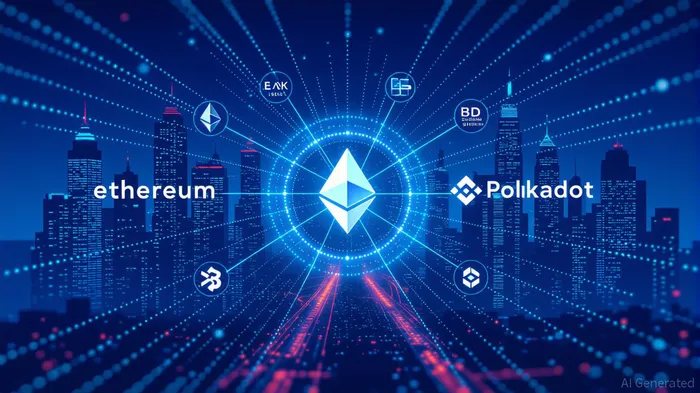
Institutional interest in Astar has surged, underscored by a $3.16 million investment in October 2025. This capital influx reflects broader recognition of Astar's potential to serve as a backbone for cross-chain applications. Institutions are particularly drawn to Astar's hybrid EVM-Wasm architecture, which allows seamless integration with EthereumETH--, PolkadotDOT--, and Binance Smart Chain. This compatibility not only expands Astar's utility but also aligns with the industry's shift toward interoperable solutions that transcend siloed ecosystems.
Strategic Partnerships and Real-World Utility
Astar's partnerships with global corporations like Sony, Toyota, and Japan Airlines have further solidified its relevance beyond the crypto sphere. These collaborations are enabling real-world applications such as tokenized loyalty programs and digital content delivery, demonstrating blockchain's practical value in enterprise settings. For instance, Sony's integration of Astar's infrastructure for digital asset management highlights the platform's ability to bridge traditional and decentralized economies. Such use cases are critical in attracting non-crypto-native businesses and expanding Astar's user base.
TVL Resilience Amid DeFi Contraction
While the broader DeFi sector has seen a $11.96 billion decline in Total Value Locked (TVL) year-to-date, Astar has maintained a stable TVL of $2.38 million in Q3 2025. This resilience underscores Astar's appeal as a haven for liquidity in a volatile market. The platform's cross-chain capabilities and enterprise-grade infrastructure have insulated it from the broader downturn, as users and developers prioritize reliability and scalability over speculative yield opportunities.
Future Roadmap and Interoperability Milestones
Looking ahead, Astar's roadmap includes pivotal upgrades such as a fixed supply cap, enhanced interoperability with Polkadot's Plaza, and the launch of the Startale app as part of its Phase 2 roadmap. These initiatives aim to strengthen governance decentralization and further cement Astar's role as a cross-chain hub. Additionally, the Burndrop PoC and Tokenomics 3.0 proposals signal a commitment to long-term sustainability, addressing concerns around inflation and supply dynamics. Such forward-looking strategies are likely to attract both retail and institutional investors seeking platforms with clear, executable visions.
Conclusion
Astar's price surge in 2025 is not merely a function of speculative fervor but a reflection of its strategic alignment with the industry's most pressing needs. By addressing scalability, interoperability, and real-world utility, Astar has positioned itself as a critical infrastructure layer in the evolving blockchain ecosystem. As cross-chain activity continues to dominate the DeFi narrative, ASTR's technical and institutional momentum suggests its ascent is far from a fleeting trend.

Blending traditional trading wisdom with cutting-edge cryptocurrency insights.
Latest Articles
Stay ahead of the market.
Get curated U.S. market news, insights and key dates delivered to your inbox.


AInvest
PRO
AInvest
PRO



Comments
No comments yet