
Astana's Ascent: Central Asia's Emerging Financial and Energy Hub
The Astana International Financial Centre (AIFC) is rapidly evolving into a gateway for investors seeking exposure to Central Asia’s economic transformation. With strategic policy shifts, massive infrastructure projects, and a push toward sustainable energy, Kazakhstan’s capital is positioning itself as a regional leader. For investors, this presents a rare opportunity to capitalize on underappreciated growth dynamics.
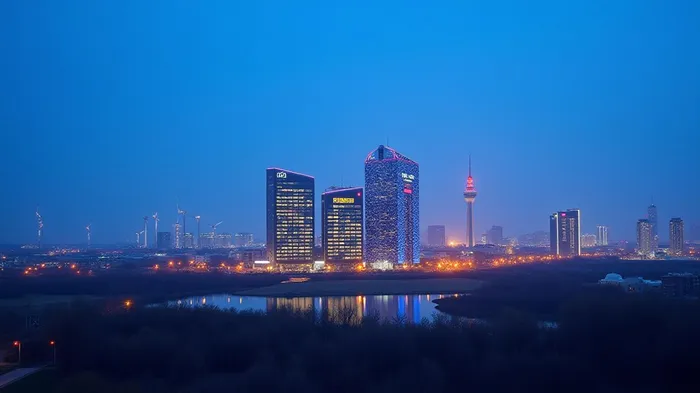
AIFC: A Legal and Financial Oasis in Central Asia
The AIFC, established in 2018, operates as a free economic zone with a British Common Law-based legal framework—a stark contrast to Kazakhstan’s broader civil law system. This distinction has made it a magnet for international investors seeking predictability. Key advantages include:
- Tax Incentives: No dividend tax, reduced corporate tax rates, and relaxed capital controls.
- Arbitration System: An independent court and arbitration centre resolve disputes under international standards.
- Regulatory Modernization: Ongoing reforms aim to align with OECD principles, though delays in the 2026 tax code highlight lingering uncertainties.
Kazakhstan’s economy grew at 4.8% in 2024, driven by energy, agricultureANSC--, and transport—sectors closely tied to AIFC-linked projects.
Energy Sector: A Green Transition with Massive Upside
Kazakhstan’s energy policies are undergoing a seismic shift. The government aims to achieve 15% renewable energy penetration by 2030 (up from 7% in 2024) and carbon neutrality by 2060. Recent moves underscore this commitment:
- 2025 Renewable Auctions: 1,810 MW of capacity allocated across wind, solar, and hydropower projects, with strict ESG compliance requirements.
- AIIB Backing: Over $2 billion in investments from the Asian Infrastructure Investment Bank (AIIB) have funded wind farms and green infrastructure, while CCB’s $1 billion energy portfolio highlights private sector confidence.
Wind and solar capacity surged by 420 MW in 2024, with 2025 targets on track to double this pace.
Infrastructure Boom: The Middle Corridor and Beyond
Kazakhstan’s $80 billion national infrastructure plan is reshaping regional trade dynamics. The Trans-Caspian Middle Corridor—a logistics route bypassing Russia—now handles 60% of the country’s uranium exports, reducing reliance on unstable markets. Key projects include:
- Railway Bypasses: Modernizing 4,000 km of railroads to improve connectivity with China and Europe.
- Digital Infrastructure: 5G and fiber-optic networks are being expanded to support smart cities and energy grids.
Container traffic via the corridor rose by 27% in 2024, with forecasts of 40% growth by 2026.
Risks and Mitigation Strategies
While opportunities abound, challenges persist. Bureaucratic inefficiencies and corruption (Kazakhstan ranks 93rd in Transparency International’s 2023 index) remain barriers. However, reforms like the 2024 demonopolization decree—targeting oligarch-linked sectors—are slowly improving conditions.
Actionable Investment Playbook
- AIFC-linked ETFs or Funds: Exposure to financial services firms operating under AIFC’s favorable regime.
- Renewable Energy PPPs: Invest in wind/solar projects via AIIB or CCB-backed bonds, benefiting from tax incentives and long-term PPAs.
- Middle Corridor Infrastructure Bonds: Finance railway and logistics projects, capitalizing on rising trade volumes.
- ESG-themed Kazakhstan ETFs: Track energy and utility companies transitioning to green fuels.
Why Now?
The confluence of policy momentum, infrastructure spending, and ESG-driven capital makes this the ideal entry point. While tax code delays and bureaucratic hurdles linger, the AIFC’s structural advantages and Kazakhstan’s strategic pivot to sustainability are irreversible trends. Investors who act swiftly can secure a first-mover advantage in one of Asia’s most underfollowed growth stories.
Despite progress, scores remain low—watch for reforms to accelerate transparency in 2025.
Conclusion: Astana is no longer just a political capital—it’s a financial and energy powerhouse. With the right due diligence and a focus on ESG-aligned assets, investors can profit from Central Asia’s next chapter of growth. The time to act is now.

Stay ahead of the market.
Get curated U.S. market news, insights and key dates delivered to your inbox.


AInvest
PRO
AInvest
PRO



Comments
No comments yet