
Assessing Systemic Risk in Aerospace and Travel Sectors Amid Solar Flare-Linked Technical Failures


 Aime Summary
The Immediate Fallout: Operational Disruptions and Market Reactions
Airbus's emergency directive, mandated by regulators including the European Union Aviation Safety Agency (EASA) and the (FAA), required airlines to implement urgent software or hardware fixes to mitigate the risk of solar radiation corrupting flight-control data. The timing-during the peak holiday travel season-amplified the fallout. Major carriers such as American AirlinesAAL--, DeltaDAL--, and JetBlue faced flight cancellations and delays, while airlines in India and Asia grounded hundreds of aircraft for repairs. For investors, the ripple effects were swift. Airbus's stock (EADSY) fell sharply in the immediate aftermath, reflecting concerns over reputational damage and repair costs. Meanwhile, suppliers of avionics systems and software providers faced scrutiny over their preparedness for space weather events.
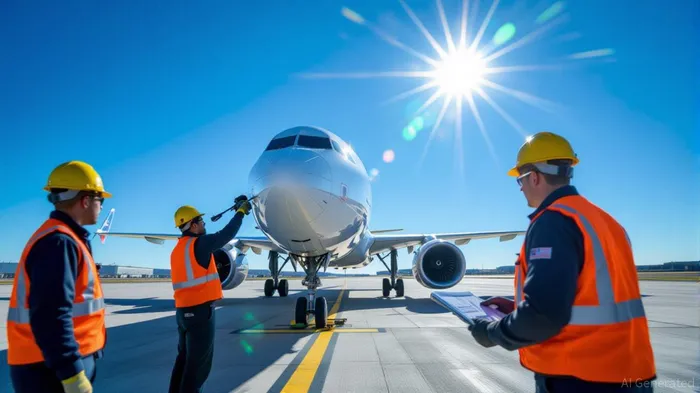 The incident also highlighted the fragility of aerospace supply chains. Maintenance crews, already strained, struggled to meet the demand for repairs. Older aircraft requiring hardware modifications added further complexity, . This operational strain has raised questions about the resilience of the industry's just-in-time maintenance models in the face of unpredictable external shocks.
Systemic Risks: Beyond a Single Recall
The Airbus crisis is not an isolated event but a symptom of a larger, underappreciated risk: the aerospace sector's exposure to space weather. Solar flares and coronal mass ejections (CMEs) have long been known to disrupt satellite communications, GPS systems, and even power grids. Now, their potential to interfere with flight-control electronics has come into sharp focus. According to a study published in , space weather events have historically increased flight delays , with dayside solar flares causing even greater disruptions. The Airbus incident demonstrates how a single technical vulnerability can amplify these effects, creating a domino effect across global air travel.
Aviation experts have warned that the industry's reliance on increasingly complex software systems-optimized for efficiency but not necessarily for robustness-leaves it exposed to such risks. , emphasized that the A320 glitch could have led to a "major catastrophe" had it gone undetected. His remarks underscore a critical question: How prepared is the aerospace sector for a future where solar activity, not just mechanical failures, becomes a key driver of operational risk?
Regulatory Responses and Long-Term Implications
Regulators have moved swiftly to address the immediate crisis, but the long-term implications remain uncertain. EASA and FAA directives now require airlines to prioritize software updates and hardware hardening against solar radiation. However, these measures come at a cost. For airlines already grappling with post-pandemic financial pressures, the expense of retrofitting older aircraft could strain budgets. Moreover, the incident has reignited debates about the adequacy of current safety certification processes. If a vulnerability linked to space weather was not identified during routine testing, what other risks might be lurking in the design of next-generation aircraft?
From an investment perspective, the crisis has highlighted three key trends:
1. Increased Volatility in Aerospace Stocks: Companies with exposure to avionics systems, such as Honeywell or Collins Aerospace, may face heightened scrutiny as investors reassess their risk profiles.
2. Supply Chain Diversification Pressures: Airlines and manufacturers may accelerate investments in redundant systems or alternative materials to mitigate space weather risks, potentially reshaping procurement strategies.
3. Regulatory Overhaul: Expect calls for stricter space weather preparedness standards, which could lead to higher compliance costs but also create opportunities for firms specializing in aerospace resilience technologies.
The Bigger Picture: A Call for Preparedness
The Airbus A320 recall is a wake-up call for the aerospace and travel sectors. As solar activity peaks in the current 11-year cycle, the likelihood of severe solar storms increases. A 2024 report by the Insurance Thought Leadership Institute . For the aviation industry, this means moving beyond reactive fixes and investing in proactive measures-such as radiation-hardened electronics, real-time space weather monitoring, and contingency planning for fleet-wide disruptions.
Investors, too, must factor space weather into their risk assessments. The Airbus crisis demonstrates that systemic risks in aerospace are no longer confined to mechanical failures or geopolitical tensions; they now include the unpredictable fury of the sun. As one analyst put it, "The sky is no longer the limit-it's the new frontier of risk."

Delivering real-time insights and analysis on emerging financial trends and market movements.
Latest Articles
Stay ahead of the market.
Get curated U.S. market news, insights and key dates delivered to your inbox.




Comments
No comments yet