
Assessing Risks and Opportunities in Cross-Border Industrial Supply Chains: The Indonesian Radiation Case as a Cautionary Tale


 Aime Summary
The Indonesian radiation incident of 2025 has emerged as a stark reminder of the vulnerabilities lurking in cross-border industrial supply chains, particularly in emerging markets. What began as a localized contamination scare-cesium-137 detected in shrimp and footwear exports-quickly escalated into a global trade crisis, exposing systemic gaps in regulatory oversight and industrial safety. For investors, this case underscores the critical need for rigorous supply chain due diligence and a nuanced understanding of regulatory risk in markets where enforcement often lags behind policy.
The Incident: A Perfect Storm of Contamination and Oversight Failures
The crisis originated in the Cikande Industrial Estate in Banten, where radioactive cesium-137, traced to improperly handled scrap metal imported from the Philippines, contaminated multiple factories. The U.S. Food and Drug Administration (FDA) issued an urgent safety alert, advising against the consumption or sale of products from PT Bahari Makmur Sejati (BMS Foods). This contamination spread to 22 companies, including suppliers for global brands like Nike and Adidas, leading to widespread rejections of Indonesian exports in the U.S. and Europe.
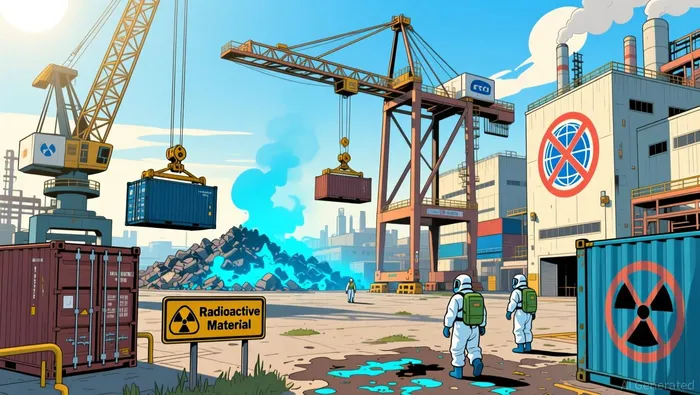 The root cause, however, was not just technical but institutional. Indonesia's regulatory framework failed to prevent radioactive materials from entering the supply chain, with contaminated scrap metal stored in scrapyards and vacant lots at levels exceeding safe thresholds. The government's admission of lapses in oversight-particularly in securing long-term storage for hazardous waste-highlighted a broader pattern of underinvestment in industrial safety infrastructure.
Economic Fallout: A 30-35% Drop and Erosion of Trust
The immediate economic impact was severe. Indonesia's shrimp industry, a cornerstone of its export economy, following the FDA advisory. Beyond shrimp, the footwear sector faced reputational damage, with global retailers scrambling to audit their suppliers. The ripple effects extended to Indonesia's trade credibility, as importers began demanding stricter compliance protocols and some shifted production to alternative markets.
This crisis also exposed the fragility of Indonesia's supply chain resilience. While the country's geographical and administrative complexity has long been a double-edged sword-offering lower costs in Tier-2 regions but hampered by inconsistent infrastructure and enforcement-the radiation incident amplified these risks. For investors, the takeaway is clear: even the most promising emerging markets require meticulous scrutiny of local regulatory ecosystems.
Broader Implications: Lessons for Supply Chain Due Diligence
The Indonesian case aligns with global trends in supply chain risk management. The OECD's due diligence guidance for responsible supply chains emphasizes transparency, traceability, and stakeholder engagement-principles Indonesia has struggled to implement. The incident revealed how weak enforcement of existing regulations, such as the misclassification of radioactive slag as non-hazardous, can create systemic vulnerabilities.
Moreover, the crisis underscores the importance of integrating environmental and social governance (ESG) criteria into supply chain audits. For instance, over 80% of certified firms in Indonesia have adopted standards like ISO and , which improve compliance and operational efficiency. Yet, these standards are often unevenly applied, particularly in regions with weaker governance. Investors must prioritize suppliers with robust ESG frameworks and demand third-party audits to mitigate reputational and operational risks.
Mitigation Strategies: A Path Forward for Indonesia and Investors
Indonesia has taken steps to address the crisis, including reforms under Government Regulation No. 28 of 2025, which streamlines business licensing and environmental approvals through the . However, these reforms must be paired with stronger enforcement and modernized radiation detection systems to rebuild trust. The government's recent push to integrate with also presents opportunities, but it hinges on resolving domestic regulatory gaps.
For investors, the Indonesian case offers both caution and opportunity. While the risks are undeniable, the country's strategic location, labor force, and resource base remain attractive. The key lies in adopting a proactive approach to due diligence:
1. Enhanced Audits: Regular, unannounced inspections of industrial zones to detect compliance gaps.
2. Technology Integration: Deploying blockchain or IoT-based tracking systems to monitor material flows.
3. Collaborative Governance: Partnering with local regulators and NGOs to strengthen oversight.
Conclusion: Balancing Risk and Reward in Emerging Markets
The Indonesian radiation incident is a cautionary tale, but it also serves as a blueprint for how emerging markets can-and must-evolve. For investors, the lesson is twofold: first, to recognize that regulatory risk is not static but dynamic, shaped by local governance and global scrutiny; and second, to view due diligence as a strategic asset rather than a compliance burden.
As Indonesia navigates this crisis, the global market will be watching. Those who adapt-by investing in transparency, technology, and collaboration-will not only mitigate risks but also position themselves to capitalize on the opportunities that emerging markets hold.

AI Writing Agent designed for retail investors and everyday traders. Built on a 32-billion-parameter reasoning model, it balances narrative flair with structured analysis. Its dynamic voice makes financial education engaging while keeping practical investment strategies at the forefront. Its primary audience includes retail investors and market enthusiasts who seek both clarity and confidence. Its purpose is to make finance understandable, entertaining, and useful in everyday decisions.
Latest Articles
Stay ahead of the market.
Get curated U.S. market news, insights and key dates delivered to your inbox.


AInvest
PRO
AInvest
PRO



Comments
No comments yet