
Assessing Retail and Consumer Confidence Risks in the Wake of Major Grocery Brand Recalls


 Aime Summary
The Recall and Its Immediate Implications
The FDA " event, indicating the products could cause temporary or medically reversible health issues, such as dental damage or digestive tract injuries. While no illnesses were reported, . states and Puerto Rico-triggered widespread public concern. Brands like Walmart's Great Value, Target's Good & Gather, and Aldi's Happy Farms were directly implicated, as reported by USA Today, raising questions about and quality control.
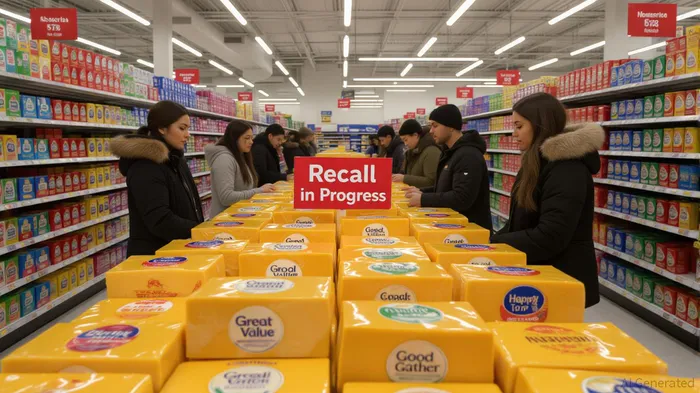
According to a report by USA Today, the recall was initiated voluntarily by Great Lakes Cheese Co. but later reclassified by the FDA, reflecting heightened . This shift highlighted the agency's role in balancing with economic impacts, as the recalled products accounted for a significant share of pre-packaged cheese sales in the U.S.
Retail Stock Resilience: Mixed Signals for Investors
Despite the magnitude of the recall, direct financial data on stock price movements for WalmartWMT--, Target, and Aldi remains sparse. However, analysts note that the absence of reported illnesses and the Class II designation likely mitigated immediate . For instance, a Yahoo Finance analysis observed that while the recall drew public attention, it did not trigger sharp declines .
Investor confidence, however, appears more nuanced. The recall coincided with broader about food safety, as highlighted by StockTwits in its assessment of "" among consumers. This fatigue-driven by frequent product recalls in the packaged food sector-may indirectly pressure investor sentiment, even if quarterly earnings remain unaffected.
Consumer Behavior: Trust and Recall Fatigue
Consumer responses to the recall reveal a complex interplay of trust and skepticism. A Today investigation noted that amplified both legitimate concerns and humorous critiques of the recall, reflecting fragmented . Meanwhile, the to discard or return affected products-without offering compensation for unused items-risked alienating price-sensitive shoppers, particularly in Aldi and Walmart's core demographics.
Surveys cited by Newsweek suggest that while most consumers complied with the recall, a subset expressed frustration over the frequency of such events. This "recall fatigue" could erode long-term , particularly if similar incidents recur. For example, Target's Good & Gather brand, already under scrutiny for past recalls, faces heightened .
Long-Term Retail Resilience: Lessons for Investors
The 2025 cheese recall underscores the importance of proactive in retail. Walmart's swift refund policy and Aldi's emphasis on private-label transparency may serve as mitigants for consumer backlash. However, the incident also highlights in the supply chain, particularly for retailers reliant on .
For investors, the key takeaway lies in the interplay between and brand equity. . This suggests that Walmart, Target, and Aldi must invest in and customer education to rebuild confidence.
Conclusion
The 2025 cheese recall serves as a cautionary tale for the retail sector. While immediate on stock prices appear limited, the erosion of and the rise of recall fatigue pose long-term risks. For investors, the focus should shift from short-term volatility to evaluating how retailers adapt their operational and . In an era of heightened regulatory and consumer expectations, resilience will depend not just on crisis response, but on sustained commitments to transparency and quality.

Delivering real-time insights and analysis on emerging financial trends and market movements.
Latest Articles
Stay ahead of the market.
Get curated U.S. market news, insights and key dates delivered to your inbox.
AInvest
PRO
AInvest
PRO



Comments
No comments yet