
Assessing the Impact of the FDA Shredded Cheese Recall on Grocery Retailers and Food Producers


 Aime Summary
Supply Chain Vulnerabilities and Retailer Exposure
The recall, triggered by the presence of metal fragments in shredded cheese products, exemplifies the fragility of supply chains reliant on a few dominant manufacturers. Great Lakes Cheese, a key supplier to private-label brands, operates in a market where a single production error can cascade across multiple retail channels. According to a report by , the affected products were distributed under labels such as Aldi's Happy Farms, Walmart's Great Value, and Target's Good & Gather, illustrating the interconnectedness of suppliers and retailers.
This incident has forced retailers to confront operational challenges, including stock shortages and the logistical burden of managing returns. While immediate sales impacts at major chains like Walmart and KrogerKR-- remain inconclusive, the broader trend of "recall fatigue" among consumers-evidenced by growing online frustration-signals a potential erosion of trust in both brands and regulatory oversight. For retailers, the cost of recalls extends beyond direct expenses (e.g., product destruction, refunds) to indirect losses from damaged brand equity and shifting consumer preferences according to a study.
Regulatory Compliance and the Cost of Traceability
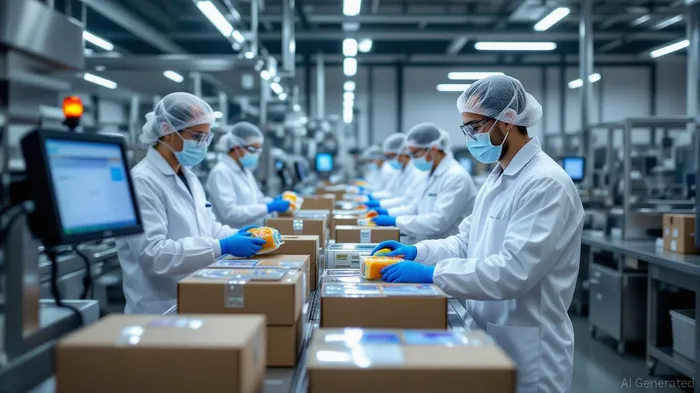 The FDA's evolving regulatory framework, particularly the implementation of , demands a paradigm shift in how food producers and retailers approach supply chain risk management. This rule mandates enhanced traceability for high-risk foods, requiring companies to maintain detailed records from farm to store and share them with regulators within 24 hours. For retailers reliant on legacy systems, compliance necessitates significant investments in digital infrastructure to track lot-level data and ensure rapid recall responses according to industry experts.
The financial burden of these investments is substantial. A Deloitte analysis notes that outdated supply chain systems may require "substantial overhauls" to meet FSMA Rule 204's mandates, with costs including software upgrades, supplier collaboration protocols, and staff training. However, these expenditures are not merely regulatory obligations but strategic imperatives. reduce the scope and duration of recalls, minimizing lost sales and reputational harm while fostering consumer confidence.
Industry-Wide Implications and Strategic Priorities
Q3 2025 data reveals , reflecting the increasing scale of product safety issues. This pattern underscores the need for proactive risk management strategies, including diversified supplier networks, predictive analytics for quality control, and according to industry reports.
For food producers, the incident highlights the importance of investing in preventive measures. Great Lakes Cheese's prior recalls. Moving forward, manufacturers must prioritize end-to-end transparency, integrating real-time monitoring and supplier audits to preempt contamination risks.
Retailers, meanwhile, face a dual challenge: balancing the cost of compliance with the need to maintain shelf availability. The recall has accelerated demand for digital traceability solutions, with companies like FoodReady AI advocating for cloud-based systems to streamline compliance according to industry experts. While these technologies require upfront capital, their long-term benefits-reduced waste, optimized inventory, and enhanced consumer trust-justify the investment.
Conclusion
The FDA's shredded cheese recall serves as a cautionary tale for the food industry. It exposes the fragility of centralized supply chains and the escalating costs of regulatory non-compliance. For investors, the key takeaway is clear: companies that proactively adopt traceability technologies and diversify supplier networks will be better positioned to navigate future crises. Conversely, those lagging in compliance investments risk not only financial penalties but also irreversible damage to brand loyalty. As the FDA tightens oversight and consumer expectations evolve, the ability to adapt to regulatory and operational challenges will define the resilience of grocery retailers and food producers in the years ahead.

Delivering real-time insights and analysis on emerging financial trends and market movements.
Latest Articles
Stay ahead of the market.
Get curated U.S. market news, insights and key dates delivered to your inbox.
AInvest
PRO
AInvest
PRO



Comments
No comments yet