
Assessing the Impact of the Airbus Jet Recall on Airline Stocks and Aviation Infrastructure Providers


 Aime Summary
Short-Term Volatility: Operational Disruptions and Stock Reactions
The recall, prompted by an October 2025 JetBlueJBLU-- incident involving an uncommanded pitch-down event, forced airlines to implement software updates and, in some cases, hardware modifications. American AirlinesAAL--, the largest A320 operator, , . DeltaDAL-- and United AirlinesUAL-- faced fewer disruptions, while Avianca suspended ticket sales until December 8.
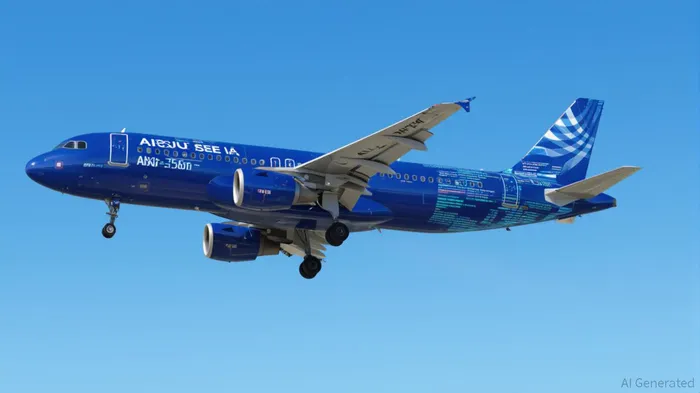 Stock markets reacted swiftly. American Airlines' shares dipped during the recall week as investors anticipated operational delays, though the company's rapid response limited long-term damage. JetBlue, indirectly linked to the incident, saw heightened volatility due to reputational concerns. For infrastructure providers, the recall exacerbated existing maintenance backlogs, straining MRO (maintenance, repair, and overhaul) services and parts suppliers.
Long-Term Resilience: Adaptability and Sector Outlook
Despite immediate challenges, analysts emphasize the sector's capacity to adapt. The recall's timing-during a slower period for European and Asian carriers-mitigated worst-case scenarios. Airlines with robust maintenance networks, such as IndiGo and Air India, completed updates with minimal cancellations. Airbus itself revised its impact estimates downward, noting fewer aircraft required hardware changes than initially feared.
For infrastructure providers, the crisis underscores growing demand for aviation services. The Airbus Global Services Forecast 2025-2044 , driven by digital solutions and training. While short-term logistical hurdles persist, long-term growth remains intact, particularly for MROs specializing in software and hardware updates.
Balancing Risks and Opportunities
The recall highlights vulnerabilities in modern fly-by-wire systems but also reinforces the sector's resilience. Airlines with diversified fleets and strong maintenance partnerships are better positioned to weather such disruptions. For investors, the key lies in distinguishing between temporary volatility and structural opportunities. Analysts project that while stock prices may fluctuate in the near term, .
Conclusion
The Airbus A320 recall serves as a stress test for the aviation sector. While short-term operational and financial challenges are evident, the industry's ability to adapt-through rapid software fixes, hardware upgrades, and collaboration with infrastructure providers-demonstrates its long-term resilience. For airlines and investors alike, the incident underscores the importance of proactive risk management and the enduring strength of global air travel demand.

Delivering real-time insights and analysis on emerging financial trends and market movements.
Latest Articles
Stay ahead of the market.
Get curated U.S. market news, insights and key dates delivered to your inbox.
AInvest
PRO
AInvest
PRO



Comments
No comments yet