
Assessing the Impact of the Airbus A320 Software Glitch on Airline Stocks and Aviation Suppliers


 Aime Summary
Technical Cause and Operational Disruptions
The Airbus A320 software glitch, first identified in October 2025, was linked to intense solar radiation disrupting onboard flight control systems. According to a BBC report, this issue caused sudden altitude changes without pilot input, prompting an emergency landing by a JetBlue flight and injuring 15 passengers. In response, Airbus issued a global recall for 6,000 A320 aircraft, requiring urgent software updates or hardware replacements. While most planes could be fixed in two to three hours, older models necessitated hardware changes, leading to extended grounding periods due to supply chain constraints.
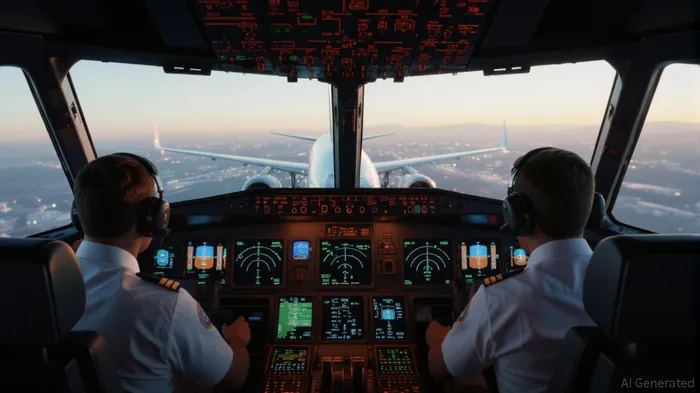
Airlines faced operational chaos during the busy Thanksgiving travel season. American AirlinesAAL--, DeltaDAL--, and EasyJet prioritized updates to minimize disruptions, but carriers like ANA Holdings and Avianca experienced significant cancellations, affecting tens of thousands of passengers. The incident highlighted the logistical challenges of managing large-scale software updates across a global fleet, particularly when hardware dependencies-such as flight control computers designed by Thales-introduce bottlenecks.
Financial Impact on Airlines
Despite the operational turmoil, the financial repercussions for airline stocks were muted. Data from Bloomberg indicates that most carriers implemented fixes swiftly, with American Airlines reporting that 209 of its affected A320 aircraft had completed updates by November 29, 2025. U.S. Transportation Secretary reassured travelers that Thanksgiving disruptions would be limited, a sentiment echoed by Delta and United AirlinesUAL--, which reported minimal operational impacts.
However, airlines with higher exposure to the A320 fleet, such as ANA Holdings and Air India, faced steeper costs. ANA canceled 95 domestic flights, while Air India reported that 40% of its affected aircraft required repairs. These disruptions could pressure earnings reports, particularly if passenger dissatisfaction leads to compensation claims or reputational damage. For now, stock prices have remained stable, but investors should monitor quarterly reports for signs of increased maintenance costs or deferred revenue.
Supplier Dependencies and Supply Chain Risks
The incident also exposed vulnerabilities in aviation's supplier ecosystem. acknowledged that hardware replacements for older A320 models were delayed by supply chain limitations. This dependency on third-party components-such as Thales' flight control systems-amplifies risks for both Airbus and its customers. As noted in a Reuters analysis, the recall underscores the need for diversified supplier strategies and robust contingency planning.
For suppliers like Thales, the crisis could lead to increased demand for hardware upgrades, potentially boosting short-term revenue. However, prolonged supply chain bottlenecks may strain margins. Investors should assess whether suppliers have contingency inventory or alternative manufacturing routes to mitigate future disruptions.
Implications for Investors
The Airbus A320 glitch serves as a cautionary tale for the aviation sector's growing reliance on software. While airlines have demonstrated agility in addressing technical issues, the incident highlights the need for investments in resilient supply chains and redundant systems. For aviation suppliers, the crisis underscores the importance of diversifying component sourcing and accelerating R&D in radiation-resistant technologies.
Investors should also consider the regulatory landscape. The FAA and EASA's mandates for software updates may drive industry-wide standardization, creating opportunities for firms specializing in aviation cybersecurity and real-time monitoring systems. Conversely, airlines with outdated fleets or limited supplier relationships may face higher operational risks.
Conclusion
The Airbus A320 software glitch is a microcosm of the broader challenges facing the post-pandemic aviation industry. While the immediate financial impact on airline stocks has been contained, the incident reveals systemic vulnerabilities in software reliability and supply chain resilience. For investors, the key takeaway is clear: the future of aviation depends not only on technological innovation but also on the ability to anticipate and mitigate cascading risks in an increasingly interconnected world.

Delivering real-time insights and analysis on emerging financial trends and market movements.
Latest Articles
Stay ahead of the market.
Get curated U.S. market news, insights and key dates delivered to your inbox.
AInvest
PRO
AInvest
PRO



Comments
No comments yet