
Assessing the Impact of the Airbus A320 Grounding on U.S. Airlines and Aerospace Suppliers


 Aime Summary
, exposing vulnerabilities in both aircraft design and supply chain reliability. Triggered by a software flaw in the (ELAC) system, the crisis has forced urgent compliance actions, operational disruptions, and financial strain on U.S. airlines and key suppliers like Thales. For investors, this event underscores critical short-to-medium-term risks and opportunities in the aviation sector.
The Root Cause: Solar Radiation and Software Vulnerabilities
The grounding stems from a previously undetected flaw in the Thales ELAC system, which processes flight control data. was identified as a catalyst for data corruption, leading to unsafe elevator movements and incidents like the October 30, 2025, JetBlueJBLU-- flight plunge that caused injuries and an emergency landing
according to reports. Airbus, in collaboration with the FAA and EASA, issued an emergency directive mandating software updates or hardware modifications for affected aircraft
as reported. This highlights the growing complexity of securing software in modern avionics systems, where even rare environmental factors can trigger systemic failures
according to industry analysis.
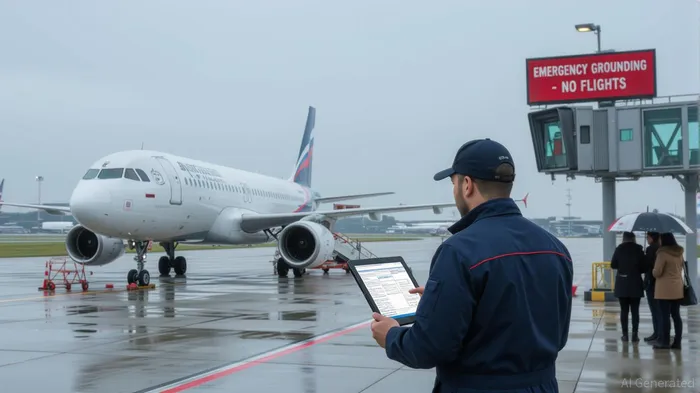
U.S. Airlines: Operational and Financial Fallout
The grounding has hit major U.S. carriers hard. American AirlinesAAL--, for instance,
require immediate repairs, risking flight cancellations and revenue losses. JetBlue, ,
faces similar challenges, . Delta Air LinesDAL--, while less impacted,
has still had to allocate resources to address the issue.
The financial toll extends beyond compliance costs. ,
according to industry estimates. The FAA's 10% flight capacity reduction at 40 major U.S. ,
according to airline data. For investors, these pressures raise concerns about near-term profitability and liquidity, particularly for airlines with high exposure to the A320 fleet.
Thales: Supplier Liability and Supply Chain Risks
As the manufacturer of the ELAC system, Thales faces reputational and financial risks. While the company asserts its systems comply with Airbus specifications, the NTSB has
flagged the as a likely factor in the JetBlue incident. The global recall-requiring urgent software and hardware updates-has
exposed vulnerabilities in the aerospace supply chain, where delays in parts or software deployment could prolong grounding periods.
For Thales, the incident could lead to increased scrutiny of its cybersecurity protocols, especially as the 2025 emphasizes the need for robust data protection in an era of AI-driven threats
according to Thales analysis. While Thales remains a leader in avionics, the crisis highlights the fragility of supplier ecosystems in aviation, where a single component failure can ripple across thousands of aircraft.
Investment Implications: Risks and Opportunities
Risks:
- Airlines: Near-term revenue losses from grounded aircraft and flight cancellations, coupled with rising compliance costs, could force carriers to raise fares or cut capacity. This risks further eroding consumer confidence and profitability.
- Suppliers: Thales and other avionics providers may face litigation or regulatory penalties if the ELAC flaw is deemed a design oversight. Long-term, this could pressure margins and R&D budgets.
Opportunities:
- Airlines: Carriers with diversified fleets or strong liquidity positions may emerge stronger. For example, airlines accelerating the retirement of older A320s in favor of newer, more efficient models (e.g., A321neo) could reduce future exposure to similar issues.
- Suppliers: The crisis could spur innovation in software resilience and cybersecurity, creating opportunities for firms specializing in avionics security or AI-driven diagnostics.
Conclusion
The Airbus A320 grounding is a wake-up call for the aviation sector, revealing systemic risks in software reliability and supply chain management. For U.S. airlines, the immediate focus is on mitigating operational disruptions and compliance costs, while suppliers like Thales must rebuild trust through transparency and innovation. Investors should monitor how carriers navigate these challenges-those with agile strategies and robust balance sheets may turn this crisis into a long-term advantage.

Stay ahead of the market.
Get curated U.S. market news, insights and key dates delivered to your inbox.
AInvest
PRO
AInvest
PRO



Comments
No comments yet