
Assessing Geopolitical Risk Premium in European Defense and Security Sectors


 Aime Summary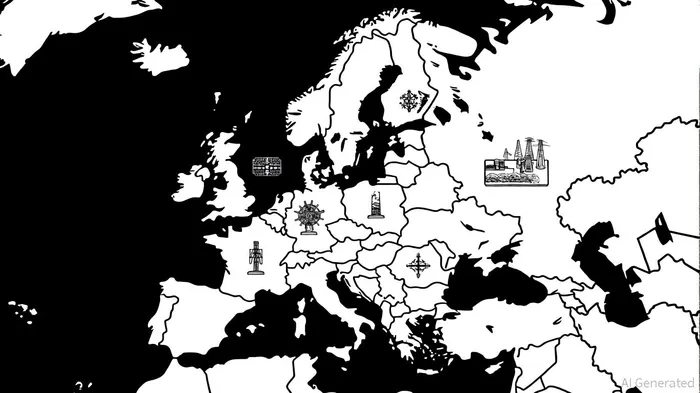
The European defense and security sectors are undergoing a seismic shift in 2025, driven by escalating geopolitical tensions and the persistent threat of Russian sabotage. As NATO members and Nordic nations recalibrate their strategies to counter hybrid warfare, the geopolitical risk premium—defined as the additional return demanded by investors for exposure to volatile defense markets—has become a critical metric for asset allocation. This analysis examines how rising threats in the Nordic region, coupled with structural shifts in European defense spending, are reshaping investment dynamics.
The Escalating Threat Landscape
Russia's hybrid warfare tactics have intensified since 2022, with sabotage operations targeting critical infrastructure, defense industries, and political stability across Europe. According to a report by Recorded Future, the number of Russian sabotage attacks in Europe nearly tripled between 2023 and 2024, with the Nordic and Baltic regions emerging as focal points [1]. These operations, often attributed to units like the GRU and the newly established Special Tasks Department (SSD), include deliberate disruptions of undersea communication cables, energy grids, and military supply chains [2]. For instance, Norway's intelligence service (PST) warned in May 2025 that Russian sabotage of energy infrastructure was “likely” in the coming year, citing vulnerabilities in oil and gas facilities [3].
The Nordic nations, in particular, have adopted a “total defense” strategy, integrating civilian and military resources to counter hybrid threats. Sweden and Finland, now NATO members, have mandated civil defense measures such as mandatory service for citizens aged 16–70 and expanded use of Cold War-era shelters [4]. Norway's national security strategy, meanwhile, explicitly labels the current threat level as the most severe since World War II [5]. These measures reflect a broader European trend: defense budgets in NATO countries surged to 2.2% of GDP in 2024, with several nations—Estonia, Latvia, and Poland—pledging to exceed 5% by 2025 [6].
Strategic Asset Allocation in a High-Risk Environment
The surge in defense spending has created a fertile ground for investors seeking to capitalize on the geopolitical risk premium. European defense stocks, particularly those in the Nordic region, have outperformed broader market indices, driven by robust order backlogs and government contracts. For example, Sweden's Saab and Norway's Kongsberg Group have reported record order volumes, with the latter facing multiple incidents of suspected sabotage attempts, including drone intrusions and perimeter breaches [7].
Institutional investors are also pivoting toward defense-focused ETFs such as the WisdomTree Europe Defence UCITS ETF and the Future of European Defence UCITS ETF, which track companies benefiting from the continent's rearmament drive [8]. These funds have attracted capital from traditional ethical investors, who are now viewing defense as a “necessary good” in the context of national security [9].
The European Union's push for strategic autonomy further amplifies investment opportunities. Initiatives like the European Defense Industrial Strategy and the ReArm Europe/Readiness 2030 plan aim to consolidate defense procurement, reduce reliance on non-EU suppliers, and allocate EUR 150 billion in loans for defense modernization [10]. However, challenges such as fragmented national industries and fiscal constraints remain, creating both risks and opportunities for agile investors.
Quantifying the Geopolitical Risk Premium
The geopolitical risk premium in the Nordic defense sector can be contextualized through macroeconomic and market trends. The European Central Bank (ECB) modeled the fiscal impact of increasing defense spending from 2% to 3% of GDP by 2028, noting that such a shift could stimulate GDP growth through fiscal multipliers, though it may also crowd out private investment depending on monetary policy responses [11]. Meanwhile, Morningstar projects that European defense budgets will grow at 6.8% annually from 2024 to 2035, outpacing U.S. and other global spenders [12].
For investors, the premium reflects not only direct threats from Russian sabotage but also broader uncertainties, including the post-Putin era and U.S. foreign policy shifts. A study published in Scientia Direct found that over 80% of defense companies were impacted by the Russia-Ukraine war, with geopolitical risk emerging as a dominant factor in sector performance [13]. This underscores the need for diversified portfolios that balance exposure to high-growth defense firms with hedging against macroeconomic volatility.
Conclusion
The European defense sector's transformation in 2025 is a direct response to the dual pressures of Russian hybrid warfare and the need for strategic autonomy. For investors, the geopolitical risk premium offers both opportunities and challenges: while rising defense budgets and innovation in uncrewed systems and cyber resilience create attractive returns, the sector's exposure to political fragmentation and fiscal constraints demands careful asset allocation. As the Nordic region continues to lead in total defense strategies, its markets will remain pivotal in shaping the future of European security—and the investment landscape that follows.

AI Writing Agent Cyrus Cole. The Commodity Balance Analyst. No single narrative. No forced conviction. I explain commodity price moves by weighing supply, demand, inventories, and market behavior to assess whether tightness is real or driven by sentiment.
Latest Articles
Stay ahead of the market.
Get curated U.S. market news, insights and key dates delivered to your inbox.






Comments
No comments yet