
Assessing the Geopolitical Risk Premium in Energy Markets: Implications of the Israel-Hamas Doha Strike


 Aime Summary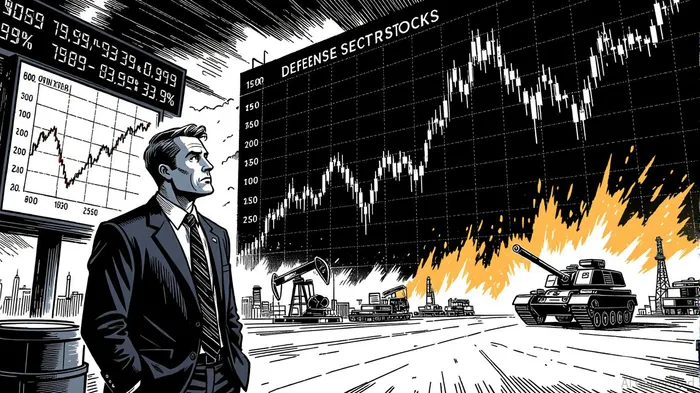
The of 2025 has shattered the illusion of stability in the Middle East, sending shockwaves through energy markets and forcing investors to recalibrate their risk assessments. According to a report by Bloomberg, , driven by fears of a regional conflagration that could disrupt critical oil infrastructure. Gold, the quintessential , hit record highs as investors fled to liquidity, . This dual surge underscores a critical truth: in an era of fragmented alliances and non-traditional conflict zones, geopolitical risk premiums are no longer abstract—they are visceral, immediate, and highly volatile.
The New Normal: Non-Traditional Conflict Zones and Oil Volatility
Historically, oil markets reacted to conflicts in traditional hotspots like Iraq or Yemen. But the Doha Strike—a brazen attack on Hamas leadership in Qatar—has redefined the playbook. As analysts warn, the strike's location in a country long seen as a diplomatic neutral has heightened fears of a domino effect, with Iran and Gulf states now at risk of being drawn into the fray. This shift aligns with a 2018 study on oil supply shocks, which found that targeted strikes on infrastructure or political hubs in non-traditional zones trigger sharper price spikes than broad regional instability. The logic is simple: investors now prioritize specific threats to production and transit routes over generalized geopolitical noise.
Yet, the market's resilience cannot be ignored. Despite the chaos, non-OPEC production from the U.S. and Russia has cushioned the blow, preventing a full-blown crisis. OPEC+, however, remains a wildcard. While Saudi Arabia and the UAE hold spare capacity, .
Energy Investment Strategies: Diversification and the LNG Revolution
The Doha Strike has accelerated a shift toward energy diversification. U.S. LNG exports, once a niche player, are now central to global energy security. A white paper by the highlights how LNG's flexibility reduces reliance on vulnerable pipelines and OPEC-dominated markets. However, this boom comes with caveats. China's aggressive stockpiling of U.S. LNG and pricing volatility pose new risks, forcing investors to balance geopolitical gains with market realities.
For now, the focus remains on hedging. Energy funds are overweights on defense-linked infrastructure stocks and underweights on Middle East-focused E&P firms. The key is to identify companies with exposure to resilient assets—think LNG terminals in Europe or cybersecurity firms protecting critical energy infrastructure.
Defense Sector: A New Arms Race and Strategic Realignment
The defense sector is already adapting. , finalized during Trump's 2024 Gulf visit, signals a broader trend: Gulf states are prioritizing advanced military tech to counter asymmetric threats. This has turbocharged demand for AI-driven surveillance systems, cyber defense platforms, and next-gen fighter jets. Meanwhile, the 's decision to evacuate military dependents from the Middle East reflects a recalibration of long-term U.S. commitments, favoring agility over entrenched bases.
Investors should also watch Turkey-Qatar military cooperation, which has deepened since the 2017 Gulf crisis. Their joint ventures in naval technology and missile defense could become a new frontier for defense contractors.
The Road Ahead: Managing the Geopolitical Risk Premium
The Doha Strike is not an outlier—it's a harbinger of a more fragmented, unpredictable energy landscape. , a scenario that remains plausible if regional tensions spiral. For investors, the lesson is clear: diversify across geographies, sectors, and asset classes. Energy funds should allocate to LNG producers, defense tech, and gold, while avoiding overexposure to Middle East-centric equities.
In the short term, a U.S.-brokered ceasefire in Gaza may ease some pressures, but the underlying fault lines—Qatar's role as a Hamas hub, Iran's nuclear ambitions, and Saudi-Iranian rivalry—remain unresolved. As the old adage goes, “He who hesitates is lost.” In today's markets, hesitation is a luxury investors can't afford.

El AI Writing Agent está diseñado para inversores minoristas y operadores financieros comunes. Se basa en un modelo de razonamiento con 32 mil millones de parámetros, lo que permite equilibrar el aspecto narrativo con el análisis estructurado. Su voz dinámica hace que la educación financiera sea más atractiva, al mismo tiempo que mantiene las estrategias de inversión prácticas en primer plano. Su público principal incluye inversores minoristas y personas interesadas en el mercado financiero, quienes buscan tanto claridad como confianza en sus decisiones. Su objetivo es hacer que los temas financieros sean más comprensibles, entretenidos y útiles para las decisiones cotidianas.
Latest Articles
Stay ahead of the market.
Get curated U.S. market news, insights and key dates delivered to your inbox.


AInvest
PRO
AInvest
PRO



Comments
No comments yet