
Assessing Geopolitical Risk in Oil Sector Investments: Key Considerations for Investors
 Aime Summary
Understanding the Impact of Global Events on Oil Markets
Investing in the oil sector can be lucrative, but it’s not without risks. Geopolitical events—such as wars, sanctions, or shifts in global alliances—can drastically affect oil prices and company performance. For investors, staying informed about these risks is crucial to making smarter decisions. This article breaks down how geopolitical factors influence the oil market and provides actionable strategies to navigate this complex landscape.
What Is Geopolitical Risk in Oil Investing?
Geopolitical risk refers to how political events in oil-producing or oil-consuming countries impact supply, demand, and prices. Key factors include:
- Political instability (e.g., coups or protests in major oil producers like Nigeria or Venezuela)
- International conflicts (e.g., wars or trade disputes)
- Sanctions (e.g., U.S. or EU restrictions on Russian oil after the 2022 Ukraine invasion)
- Regulatory changes (e.g., new environmental policies in major economies)
These events can disrupt oil supply chains, create price volatility, or shift long-term market trends. 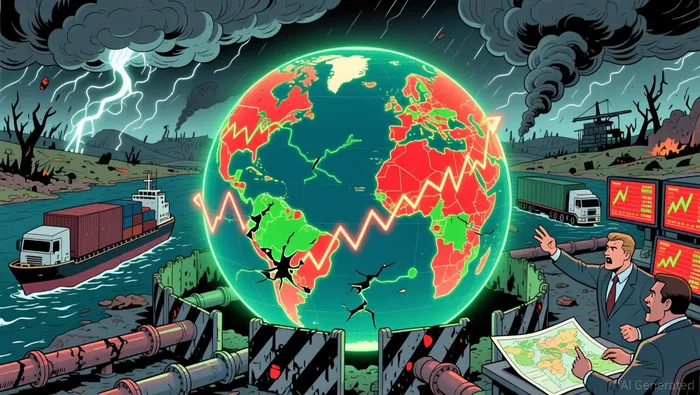 For example, a war in the Middle East might block critical shipping routes, while a new climate policy could reduce demand for fossil fuels.
Strategies to Mitigate Geopolitical Risks
Diversify Geographically: Invest in companies with operations in multiple regions to reduce reliance on politically unstable areas. For instance, a company with oil fields in both the U.S. and Norway is less vulnerable to regional crises than one focused solely on the Middle East.
Use Hedging Tools: Futures contracts and options can protect against price swings. For example, an investor might lock in a price for crude oil to avoid losses if geopolitical tensions drive prices down.
Monitor Key Indicators: Track news from major oil producers (e.g., OPEC decisions) and global events (e.g., U.S.-China relations). Tools like geopolitical risk indices or real-time news alerts can help.
Balance with ESG Factors: Consider environmental, social, and governance (ESG) criteria. Companies with strong ESG practices may be better positioned to navigate regulatory and reputational risks.
Real-World Example: The 2022 Russia-Ukraine War
The 2022 invasion of Ukraine by Russia provides a vivid case study. Russia, a top oil exporter, faced widespread sanctions, cutting its access to global markets. This led to a 30% spike in Brent crude prices within weeks. Meanwhile, European countries accelerated their shift to renewable energy, while the U.S. increased oil production. Investors who had diversified portfolios or hedged against price volatility were better protected during this period. Companies like BPBP-- and ShellSHEL-- also announced major divestments from Russian assets, highlighting how geopolitical risks can reshape corporate strategies.
Risks and How to Navigate Them
While geopolitical risks are inevitable, misjudging them can lead to costly mistakes. Overreacting to short-term events (e.g., panic selling during a crisis) or ignoring long-term trends (e.g., the global shift to green energy) can harm returns. To mitigate this:
- Conduct Thorough Research: Use resources like the Geopolitical Risk Index or consult experts in energy markets.
- Adopt a Long-Term View: Short-term volatility often stabilizes over time. Focus on companies with strong balance sheets and adaptive strategies.
- Stay Updated: Geopolitical landscapes change rapidly. Regularly review your portfolio’s exposure to global events.
Key Takeaways
Geopolitical risks are a defining factor in oil investments. By understanding how global events influence supply, demand, and prices, investors can protect their portfolios and seize opportunities. Diversification, hedging, and proactive monitoring are essential tools. While no one can predict every crisis, being prepared with these strategies can help you navigate uncertainty and make informed decisions in the oil sector.
Remember: Oil is a vital global commodity, but its future is shaped as much by politics as by economics. Stay informed, stay flexible, and let these insights guide your investment journey.

Stay ahead of the market.
Get curated U.S. market news, insights and key dates delivered to your inbox.
AInvest
PRO
AInvest
PRO



Comments
No comments yet