
Assessing Geopolitical Risk in Energy and Infrastructure Sectors Post-Chernobyl Drone Strike


 Aime Summary
Energy Infrastructure Vulnerabilities and Market Reactions
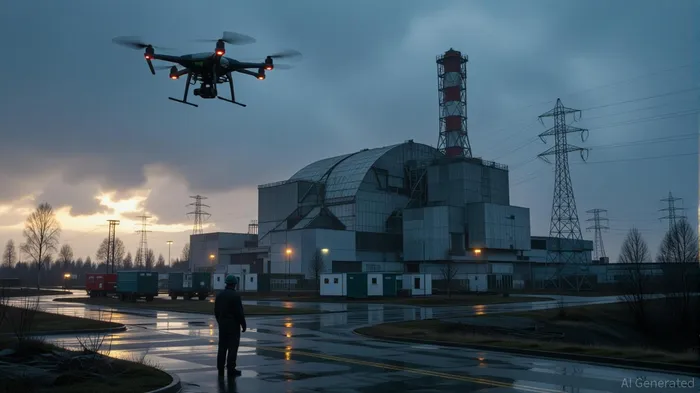
The strike on Chernobyl underscores the fragility of critical infrastructure in conflict zones. Ukrainian drone attacks on Russian energy assets, such as the Ryazan oil refinery (which processes 260,000 barrels daily), have already disrupted 8.1% of Russia's refining capacity, with equipment replacements requiring 18–36 months under current sanctions. These disruptions have cascading effects, including localized fuel shortages and elevated crude export costs. Investors are now prioritizing resilience in energy infrastructure, with a 50% annual increase in nuclear energy investments driven by demand for small modular reactors and grid modernization.
 The energy transition is further amplifying these trends. Global electricity demand, fueled by AI data centers and industrial growth, is projected to outpace overall energy use in all World Energy Outlook 2025 scenarios. However, grid development lags behind generation capacity, creating vulnerabilities that investors are keen to avoid. Projects like DTEK's partnership with Fluence Energy to build Eastern Europe's largest battery storage system exemplify how strategic infrastructure investments are being prioritized to mitigate risks according to analysts.
Insurance Market Volatility and Premium Surges
The insurance sector has experienced acute volatility following the Chernobyl strike and related conflicts. War-risk insurance for ships in the Black Sea surged to 1% of a vessel's value in December 2025, a 250% increase driven by drone attacks on tankers and ports. On land, Russian property insurers reported a 70–120 times increase in premiums for commercial entities exposed to drone strike risks, with one-in-four residential policies now covering such damage.
Nuclear-specific insurance markets are also recalibrating. While no significant radiation leaks occurred at Chernobyl, the IAEA emphasized the need for urgent NSC repairs, signaling heightened insurer scrutiny of nuclear risk models. Meanwhile, the renewable energy insurance market grew 9% annually in 2025, reaching $8.0 billion, as insurers adopt behavior-based pricing and parametric solutions to address grid constraints and production disruptions. This contrasts with a 2% annual decline in fossil fuel insurance, reflecting broader decarbonization trends.
Strategic Asset Reallocation and Beta Dynamics
Investors are reallocating capital to mitigate geopolitical risks. Global energy investment hit $3.3 trillion in 2025, with $2.2 trillion directed toward renewables, nuclear, and grid infrastructure. Solar energy spending alone reached $450 billion, driven by its role in decarbonization and energy security according to IEA data. Nuclear energy stocks, meanwhile, exhibited robust momentum in Q1 2025, with companies like Vistra and Constellation Energy seeing share price gains of 258% and 91%, respectively. This outperformance was fueled by policy tailwinds, such as the U.S. Inflation Reduction Act, and corporate demand from tech giants for reliable power sources according to market analysis.
However, the Chernobyl incident introduced new volatility. Beta values for nuclear energy stocks, while reflecting sector strength, now incorporate heightened geopolitical risk premiums. Insurers and investors are increasingly adopting hedging strategies, such as parametric insurance and diversified portfolios, to balance exposure to nuclear and renewable assets.
Conclusion: Navigating a High-Risk, High-Opportunity Landscape
The Chernobyl drone strike has crystallized the interplay between geopolitical instability, infrastructure vulnerabilities, and market responses. Investors must weigh the risks of nuclear and fossil fuel assets against the opportunities in renewables and grid resilience. Insurers, meanwhile, face the dual challenge of pricing emerging risks while supporting the energy transition. As the IEA notes, diversification and cooperation are critical in a world where energy security and climate goals are increasingly intertwined.
For stakeholders, the path forward lies in agile risk management, strategic diversification, and leveraging insurance tools to navigate an era of persistent uncertainty.

Delivering real-time insights and analysis on emerging financial trends and market movements.
Latest Articles
Stay ahead of the market.
Get curated U.S. market news, insights and key dates delivered to your inbox.




Comments
No comments yet