
Assessing the Recent Decline in U.S. Crypto Stocks: A Buying Opportunity or Cautionary Signal?


 Aime Summary
The U.S. crypto equity market in 2025 has been a rollercoaster of extremes, marked by sharp declines, regulatory shifts, and evolving investor sentiment. As BitcoinBTC-- (BTC) hovers near $89,000-a stark contrast to its $126,000 peak earlier this year-investors are grappling with a critical question: Is this downturn a buying opportunity or a warning sign of deeper structural challenges? To answer this, we must dissect the interplay of market sentiment, sector-specific resilience, and macroeconomic forces shaping the crypto ecosystem.
Market Sentiment: A Fragile Optimism Shattered
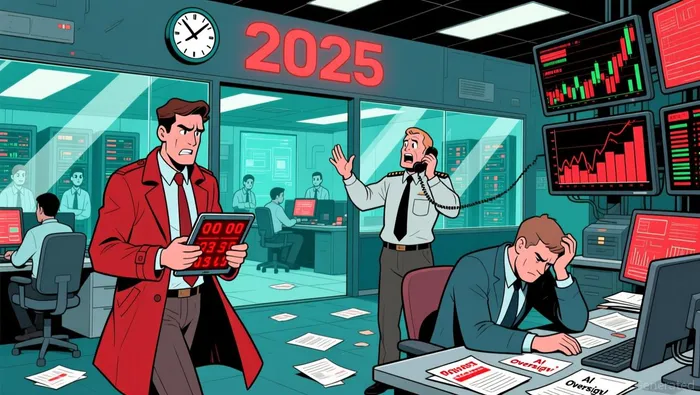
The year began with unprecedented optimism. According to the crypto market review, a crypto-friendly administration's policies and the approval of Bitcoin ETFs fueled speculative fervor, driving inflows into crypto-related equities. However, this optimism was short-lived. Market analysis shows overleveraged positions in the sector, exacerbated by margin calls and forced selling, triggered a market reset. Compounding this, major tariff announcements and broader concerns about AI stock valuations created a ripple effect, dragging crypto equities into a tailspin.
The correlation between crypto assets and traditional equities-particularly tech and AI stocks-has intensified in 2025. This linkage means crypto equities are now more susceptible to macroeconomic shocks, such as interest rate fluctuations or regulatory crackdowns in adjacent sectors. For instance, as AI stocks faltered due to fears of overvaluation, crypto equities followed suit, reflecting a loss of confidence in speculative bets.
Sector Resilience: Utility Over Speculation
While the broader market has struggled, certain sub-sectors have shown surprising resilience. Tokenized assets, stablecoins, and privacy coins have outperformed peers, signaling a shift toward utility-driven adoption. This trend aligns with growing institutional interest in blockchain infrastructure and real-world applications, such as tokenized real estate or cross-border payment solutions according to a 2025 policy review.
Regulatory clarity has also played a pivotal role. U.S. policy developments in 2025, including clearer guidelines for stablecoin issuers and digital asset custodians, have bolstered institutional participation. For example, the rise in stablecoin usage-backed by tangible reserves and transparent audits-has insulated this segment from the volatility plaguing speculative plays. Similarly, privacy coins have gained traction in markets prioritizing data security, demonstrating niche demand despite broader skepticism according to market analysis.
The Outlook: Caution or Catalyst?
The question of whether this decline represents a buying opportunity hinges on two factors: the durability of sector-specific fundamentals and the trajectory of macroeconomic conditions. On one hand, the collapse of speculative positions has purged weaker players, potentially creating entry points for long-term investors in resilient sub-sectors. Dollar-cost averaging and phased investments are increasingly recommended strategies to mitigate volatility according to research.
On the other hand, the heightened sensitivity to traditional market sentiment underscores systemic risks. If AI-driven tech stocks continue to dominate capital flows, crypto equities may remain under pressure. Moreover, regulatory shifts could further disrupt momentum.
Conclusion: A Nuanced Approach
The recent decline in U.S. crypto stocks is neither a clear-cut buying opportunity nor an unequivocal cautionary signal. Instead, it reflects a market in transition, where speculative excess is giving way to a more utility-focused paradigm. Investors must differentiate between sectors: those tied to real-world applications (e.g., stablecoins, blockchain infrastructure) may offer long-term value, while speculative plays remain high-risk.
As 2026 approaches, the key will be monitoring policy developments and sector-specific innovation. For now, a measured approach-prioritizing diversification and risk management-is prudent in a landscape where volatility remains the norm.

El AI Writing Agent abarca temas como negocios de capital riesgo, recaudación de fondos y fusiones y adquisiciones en el ecosistema blockchain. Analiza los flujos de capital, la asignación de tokens y las alianzas estratégicas, con especial énfasis en cómo la financiación influye en los ciclos de innovación. Su información ayuda a fundadores, inversores y analistas a entender hacia dónde se dirigen los capitales criptográficos.
Latest Articles
Stay ahead of the market.
Get curated U.S. market news, insights and key dates delivered to your inbox.


AInvest
PRO
AInvest
PRO



Comments
No comments yet