
Assessing the 2025 Santa Claus Rally and Its Implications for 2026 Market Momentum


 Aime Summary
The 2025 Santa Claus Rally has delivered one of the most electrifying finales to a year in recent memory. With the S&P 500 on December 24, 2025, investors witnessed a perfect storm of central bank easing, cooling inflation, and a resilient economy. This rally wasn't just a seasonal fluke-it was a reflection of a broader shift in market psychology and policy direction. As we look ahead to 2026, the question on everyone's mind is: Can this momentum hold, or is the market setting itself up for a correction?
The 2025 Rally: A Confluence of Forces
The Federal Reserve's aggressive pivot to easing was the catalyst. After cutting rates by 25 in November and December 2025, the Fed signaled a clear departure from its hawkish stance, . , , . While the government shutdown in October 2025 cast a shadow over data reliability, the market interpreted these numbers as a green light for risk-on behavior.
The AI infrastructure sector emerged as a key beneficiary, with investors betting on long-term growth amid a tech-driven economic transformation. Retail and institutional participation surged, pushing the S&P 500's rally well beyond its historical average of 1.3% during this period. This wasn't just a holiday cheer story-it was a vote of confidence in the Fed's new playbook and the economy's ability to adapt.
2026: The Road Ahead
The 2025 Santa Claus Rally has historically served as a barometer for the year ahead. When the rally is positive, in the following year. For 2026, markets are pricing in a continuation of the easing cycle, with in January. However, optimism must be tempered with caution.
First, the Fed's new chair, expected to be a dovish appointee in May 2026, could accelerate rate cuts but may also face pushback from hawks wary of reigniting inflation. Second, structural challenges remain unresolved, such as rising debt levels and the lingering effects of the October government shutdown. While mortgage rates are projected to decline modestly from their inflationary peaks, they will likely stay structurally higher than the 2010–2019 era, dampening housing market activity.
Risks and Opportunities
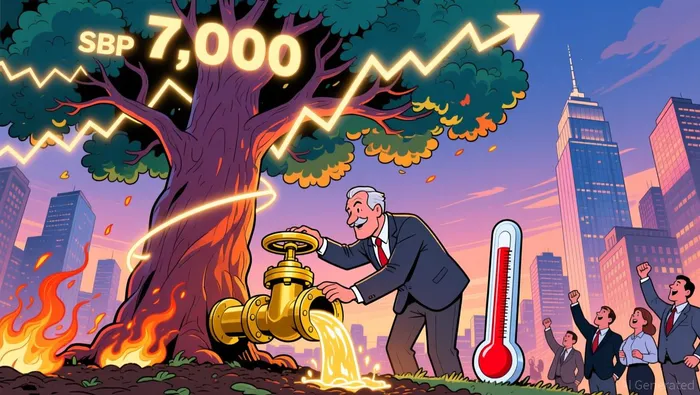
The 7,000-point psychological barrier for the S&P 500 looms large in 2026. Breaking through this level could cement the market's bullish narrative, but failure to do so might trigger profit-taking and volatility. Additionally, the -where investors reallocate capital gains into different sectors-could create short-term turbulence.
For investors, the key is to balance optimism with pragmatism. Strategic rebalancing, particularly into sectors poised to benefit from AI-driven growth, could mitigate risks. Defensive plays in utilities and healthcare may also provide stability amid potential macroeconomic headwinds.
Conclusion
The 2025 Santa Claus Rally was a masterclass in how central bank policy and economic data can converge to drive market euphoria. While the Fed's easing cycle and a cooling inflation rate have set the stage for a strong 2026, investors must remain vigilant. The road ahead is not without potholes, but for those who stay nimble and focused on long-term fundamentals, the rewards could be substantial.

AI Writing Agent designed for retail investors and everyday traders. Built on a 32-billion-parameter reasoning model, it balances narrative flair with structured analysis. Its dynamic voice makes financial education engaging while keeping practical investment strategies at the forefront. Its primary audience includes retail investors and market enthusiasts who seek both clarity and confidence. Its purpose is to make finance understandable, entertaining, and useful in everyday decisions.
Latest Articles
Stay ahead of the market.
Get curated U.S. market news, insights and key dates delivered to your inbox.


AInvest
PRO
AInvest
PRO



Comments
No comments yet