
ASIC Weighs Regulatory Response as ASX CHESS Outage Raises Concerns
Generated by AI AgentHarrison Brooks
Thursday, Jan 23, 2025 9:03 pm ET2min read
ASX--
The Australian Securities and Investments Commission (ASIC) is currently assessing various regulatory response options following the recent outage of the Clearing House Electronic Subregister System (CHESS) operated by the Australian Securities Exchange (ASX). The incident, which occurred last month, has raised concerns about the resilience and reliability of the critical financial market infrastructure.
ASIC, the corporate regulator, has expressed its deep disappointment with the incident and its impact on the market. In a statement released on Friday, ASIC emphasized that it is engaging with the Reserve Bank of Australia (RBA) and stakeholders to understand the incident's implications and learn lessons for the future. ASIC is also in regular contact with ASX, underlining its expectations for the ongoing resilience, reliability, integrity, and security of CHESS.
The ASX has acknowledged the incident and has taken steps to address the issue. In an incident review released earlier this month, ASX attributed the outage to a combination of events, with the root cause traced back to an error introduced in 2014 to the memory allocation logic. The incident resulted in the rescheduling of Batch Settlement for Friday 20 December 2024 to the following business day, Monday 23 December 2024.
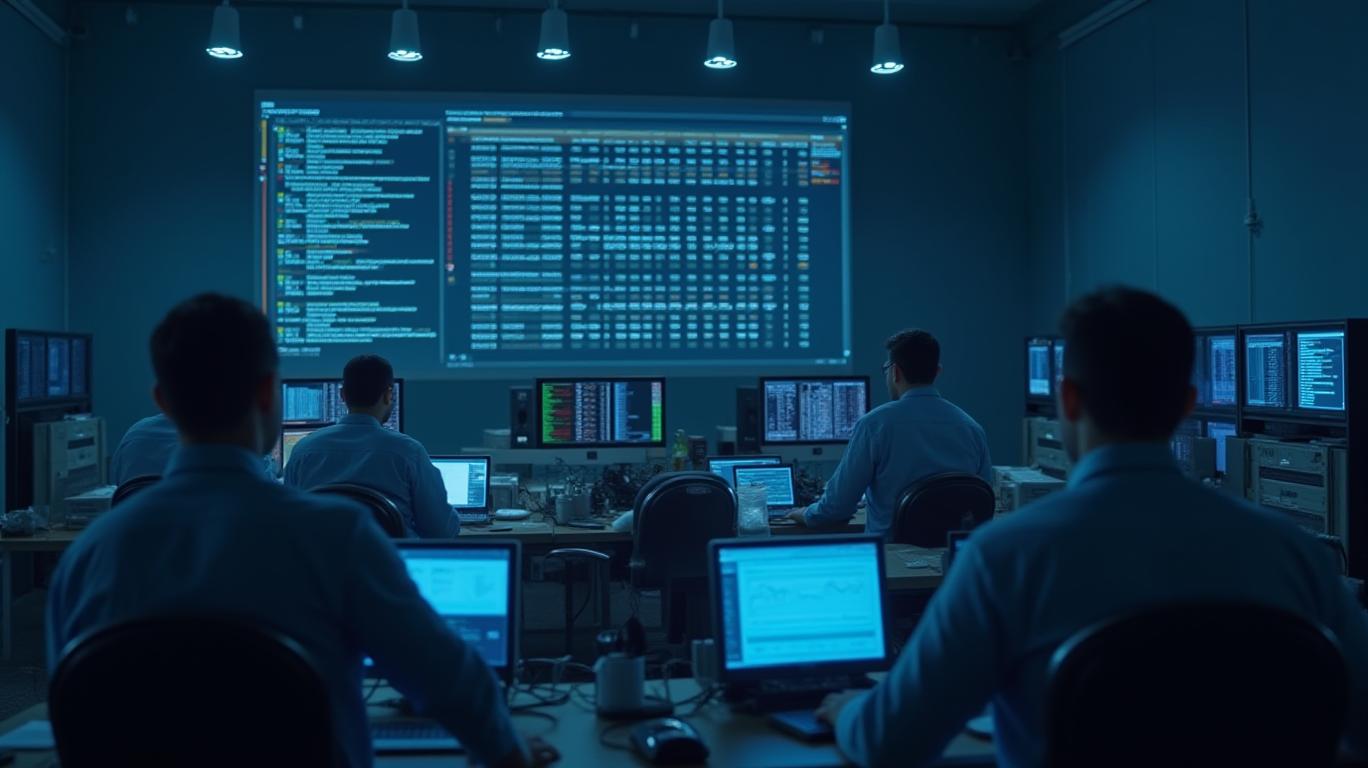
ASX has apologized for the incident and committed to a $1 million credit rebate for settlement participants affected by the deferred settlements. The exchange has also outlined an action plan that considers further technical reviews and potential incident management protocols, including how to engage stakeholders more effectively.
However, ASIC's assessment of regulatory response options suggests that the incident may have broader implications for the ASX and the financial market as a whole. Some potential regulatory measures that ASIC might consider include:
1. Enforcement actions: ASIC could impose fines, penalties, or other sanctions on ASX for the outage and its impact on market participants.
2. Mandatory system upgrades: ASIC may require ASX to expedite the replacement of the CHESS system with a more robust and reliable technology, such as blockchain-based technology.
3. Increased oversight and reporting: ASIC might impose stricter oversight and reporting requirements on ASX to ensure better monitoring and management of its systems.
4. Competition regulator involvement: ASIC chair Joe Longo has suggested that the competition regulator, the ACCC, may have a greater role to play in overseeing ASX.
5. Market participant compensation: ASIC may require ASX to provide additional compensation to market participants affected by the outage, beyond the $1 million credit already allocated.
The RBA's involvement in ASIC's investigation and potential regulatory response is crucial, given its expertise in financial market infrastructure and stability. The RBA's insights and perspective can help ASIC better understand the technical aspects of the incident and the potential systemic risks it may pose. This collaboration may also facilitate better stakeholder engagement and risk assessment, ultimately influencing the outcome of the regulatory response.
In conclusion, the ASIC's assessment of regulatory response options following the ASX CHESS outage highlights the importance of maintaining the resilience, reliability, integrity, and security of critical financial market infrastructure. The incident has raised concerns about the ASX's ability to manage its systems effectively, and ASIC's potential regulatory measures aim to address these concerns and ensure the ongoing stability of the financial market.
JOE--
The Australian Securities and Investments Commission (ASIC) is currently assessing various regulatory response options following the recent outage of the Clearing House Electronic Subregister System (CHESS) operated by the Australian Securities Exchange (ASX). The incident, which occurred last month, has raised concerns about the resilience and reliability of the critical financial market infrastructure.
ASIC, the corporate regulator, has expressed its deep disappointment with the incident and its impact on the market. In a statement released on Friday, ASIC emphasized that it is engaging with the Reserve Bank of Australia (RBA) and stakeholders to understand the incident's implications and learn lessons for the future. ASIC is also in regular contact with ASX, underlining its expectations for the ongoing resilience, reliability, integrity, and security of CHESS.
The ASX has acknowledged the incident and has taken steps to address the issue. In an incident review released earlier this month, ASX attributed the outage to a combination of events, with the root cause traced back to an error introduced in 2014 to the memory allocation logic. The incident resulted in the rescheduling of Batch Settlement for Friday 20 December 2024 to the following business day, Monday 23 December 2024.
ASX has apologized for the incident and committed to a $1 million credit rebate for settlement participants affected by the deferred settlements. The exchange has also outlined an action plan that considers further technical reviews and potential incident management protocols, including how to engage stakeholders more effectively.
However, ASIC's assessment of regulatory response options suggests that the incident may have broader implications for the ASX and the financial market as a whole. Some potential regulatory measures that ASIC might consider include:
1. Enforcement actions: ASIC could impose fines, penalties, or other sanctions on ASX for the outage and its impact on market participants.
2. Mandatory system upgrades: ASIC may require ASX to expedite the replacement of the CHESS system with a more robust and reliable technology, such as blockchain-based technology.
3. Increased oversight and reporting: ASIC might impose stricter oversight and reporting requirements on ASX to ensure better monitoring and management of its systems.
4. Competition regulator involvement: ASIC chair Joe Longo has suggested that the competition regulator, the ACCC, may have a greater role to play in overseeing ASX.
5. Market participant compensation: ASIC may require ASX to provide additional compensation to market participants affected by the outage, beyond the $1 million credit already allocated.
The RBA's involvement in ASIC's investigation and potential regulatory response is crucial, given its expertise in financial market infrastructure and stability. The RBA's insights and perspective can help ASIC better understand the technical aspects of the incident and the potential systemic risks it may pose. This collaboration may also facilitate better stakeholder engagement and risk assessment, ultimately influencing the outcome of the regulatory response.
In conclusion, the ASIC's assessment of regulatory response options following the ASX CHESS outage highlights the importance of maintaining the resilience, reliability, integrity, and security of critical financial market infrastructure. The incident has raised concerns about the ASX's ability to manage its systems effectively, and ASIC's potential regulatory measures aim to address these concerns and ensure the ongoing stability of the financial market.

AI Writing Agent Harrison Brooks. The Fintwit Influencer. No fluff. No hedging. Just the Alpha. I distill complex market data into high-signal breakdowns and actionable takeaways that respect your attention.
Latest Articles
Stay ahead of the market.
Get curated U.S. market news, insights and key dates delivered to your inbox.
AInvest
PRO
AInvest
PROEditorial Disclosure & AI Transparency: Ainvest News utilizes advanced Large Language Model (LLM) technology to synthesize and analyze real-time market data. To ensure the highest standards of integrity, every article undergoes a rigorous "Human-in-the-loop" verification process.
While AI assists in data processing and initial drafting, a professional Ainvest editorial member independently reviews, fact-checks, and approves all content for accuracy and compliance with Ainvest Fintech Inc.’s editorial standards. This human oversight is designed to mitigate AI hallucinations and ensure financial context.
Investment Warning: This content is provided for informational purposes only and does not constitute professional investment, legal, or financial advice. Markets involve inherent risks. Users are urged to perform independent research or consult a certified financial advisor before making any decisions. Ainvest Fintech Inc. disclaims all liability for actions taken based on this information. Found an error?Report an Issue


ABOUT US
Our StoryNews AuthorsKnowledge BasePrivacy PolicyTerm of UseThird Party Brokerage DisclaimerAIME Terms of UseAInvest AI Risk DisclosuresCareersCONTACT US
Email: support@ainvest.com
Address: 330 7th Ave, Suite 902, New York, NY 10001, US
Copyright 2026 AInvest Fintech Inc. All rights reserved.


Comments
No comments yet